| Journal of Neurology Research, ISSN 1923-2845 print, 1923-2853 online, Open Access |
| Article copyright, the authors; Journal compilation copyright, J Neurol Res and Elmer Press Inc |
| Journal website https://jnr.elmerpub.com |
Case Report
Volume 16, Number 1, March 2026, pages 45-48

Dry Beriberi With Hypoalbuminemia: Mimicking Wet Beriberi in a Post-Sleeve Gastrectomy Patient
Faaezuddin Syeda, b, Usman Salman Alia, c, Mohammed Hamza Shahida, c, Musab Umaira, c, Nada Kamaleldin Seedahmed Gargabb, Sherif Mohamed Ahmed Elbialyb, Enas El Deebb
aCollege of Medicine, Alfaisal University, Riyadh, Saudi Arabia
bCare
Medical Hospital, Riyadh, Saudi Arabia
cThese authors contributed equally to
this work.
dCorresponding Author: Usman Salman Ali, College of Medicine,
Alfaisal University, Riyadh, Saudi Arabia
Manuscript submitted September 12, 2025, accepted January 14, 2026, published online March 13,
2026
Short title: Dry Beriberi With Hypoalbuminemia
doi:
https://doi.org/10.14740/jnr1047
| Abstract | ▴Top |
Thiamine (vitamin B1) is an essential water-soluble vitamin that plays a critical role in carbohydrate metabolism and neurological function. As it cannot be stored in the body, deficiencies may occur rapidly in individuals with inadequate intake or absorption. Post-gastrectomy patients are particularly vulnerable due to reduced dietary intake, altered digestion, and malabsorption. Thiamine deficiency can lead to dry beriberi with peripheral neuropathy, wet beriberi with cardiovascular compromise, and Wernicke’s encephalopathy. We report the case of a 24-year-old woman who developed progressive neurological symptoms such as distal weakness, sensory loss, and gait instability several months after laparoscopic sleeve gastrectomy. Laboratory investigations revealed markedly reduced thiamine levels, confirming the diagnosis. Prompt intravenous thiamine replacement resulted in gradual neurological improvement. This case underscores the importance of considering micronutrient deficiencies, particularly thiamine, in post-bariatric surgery patients presenting with neurological decline, and highlights the need for routine long-term micronutrient monitoring in this population.
Keywords: Thiamine; Dry beriberi; Hypoalbuminemia; Post-sleeve gastrectomy
| Introduction | ▴Top |
Obesity, characterized by a body mass index (BMI) of ≥ 30, is a multifactorial chronic disease affecting a myriad of functions in the body. It is becoming increasingly prevalent in the modern era [1]. Although the terms overweight and obese are often simplified to originate from an imbalance between calories consumed and calories burned, this phenomenon is substantially complex. Factors such as endocrine status and genetics play a significant role in the pathogenesis of obesity. Once developed, obesity often leads to the germination of many pathological processes, such as metabolic syndrome and cardiovascular diseases [2]. To combat the development of such lingering illnesses, weight loss with dietary modifications and exercise is advised as an initial conservative measure. If failed, bariatric surgery is often offered as a secondary measure for these patients [3].
Bariatric surgeries are widely used and have been recognized as an effective treatment modality for obese individuals, yielding favorable outcomes. Among its various methods, sleeve gastrectomy is one of the most used procedures, particularly in morbidly obese individuals (BMI of ≥ 40 or a BMI of ≥ 35 with comorbidities). It promotes weight loss by limiting food intake due to the surgical removal of a gastric segment [2, 3]. Despite their surgical success and favorable outcomes, bariatric surgeries are often associated with complications. While bleeding and infection are the most common, nutritional deficiencies may also occur and can lead to serious consequences. Thiamine, a water-soluble vitamin, has been reported as one of the most common nutrients deficient in these individuals. Thiamine deficiency affects multiple systems in the body, most notably the nervous system. It is essential in propagating nerve impulses and for energy production through glycolysis. Thiamine deficiency may present as beriberi or Wernicke’s encephalopathy (WE), and in severe cases, progress to Korsakoff syndrome [4]. Beriberi has been classified into two phenotypes based on the presentation: dry and wet beriberi. Dry beriberi primarily manifests with peripheral neuropathy, while wet beriberi includes both neuropathy and cardiovascular complications, most notably high-output heart failure [5]. Bariatric surgery has been particularly implicated in the pathogenesis of these diseases due to thiamine malabsorption, although poor diet and chronic alcoholism are also recognized causes [6]. WE is a neurological disorder caused by thiamine deficiency and is part of the broader category of beriberi disease, presenting with diverse manifestations. Typical presentations of WE include altered mental status, ataxia (gait imbalance), and oculomotor dysfunction like ophthalmoplegia or nystagmus [7]. Bariatric surgeries pose a significant risk for the development of WE due to the nutritional deficiencies caused by them. Therefore, it is crucial to include thiamine supplementation in the postoperative care plan, as it prevents disease development or progression, and delays in treatment may be fatal [6].
| Case Report | ▴Top |
We report the case of a 24-year-old female with a BMI of 44.6 who underwent laparoscopic sleeve gastrectomy. Around 4 months of post-surgery, the patient began experiencing persistent nausea, vomiting, poor oral intake, and progressive weight loss. She was not compliant with her vitamin supplements and started to develop nonspecific symptoms such as fatigue, dizziness, hair thinning, and musculoskeletal pain due to iron and vitamin D deficiency. Her BMI had dropped dramatically from 44.6 to 27.7 kg/m2 during this period. Six months after the gastrectomy, the patient developed hypokalemia due to vomiting after severe gastritis, resulting in a brief hospitalization and conservative management.
The patient was brought to the emergency department 7 months following the gastrectomy in a wheelchair due to progressively worsening lower limb weakness. Her symptoms initially began as numbness in both plantar surfaces of the foot, which gradually progressed to weakness that severely impaired ambulation. On examination, she appeared pale, dehydrated, and unwell, but was fully conscious and oriented. She had developed ulcers on the bilateral upper and lower limbs. Vital signs were stable apart from mild tachycardia. Neurological assessment of the upper limbs was unremarkable. However, the bilateral lower limbs demonstrated hypotonia and severe weakness, with motor power graded 1/5, indicating near-complete paralysis of distal muscles. Sensory examination revealed impaired proprioception and hyperesthesia, accompanied by hyporeflexia. The patient was wheelchair-bound due to profound lower limb weakness. There was no ophthalmoplegia.
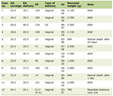
Her initial laboratory investigations demonstrated macrocytic anemia (hemoglobin (Hb) 10.10 g/dL, mean corpuscular volume (MCV) 104 fL), and mild thrombocytopenia (platelets (PLT) 124 × 109/L). Electrolyte imbalances included hypomagnesemia (Mg 0.56 mmol/L), and the international normalized ratio (INR) was elevated to 1.7. Further evaluation of micronutrient status revealed a low thiamine level (28 nmol/L), with normal vitamin B6 (30 µg/L) and vitamin B12 (306 pg/mL) levels. The albumin level was 2.3 g/dL, resulting in reduced oncotic pressure and subsequent peripheral edema. Brain magnetic resonance imaging (MRI) was unremarkable, excluding a central cause for the symptoms. Nerve conduction study (NCS) showed a decreased amplitude of compound motor action potential (CMAP) in the left and right peroneal nerves (Table 1) and absent sensory conduction in the left and right sural nerves, consistent with axonal sensorimotor polyneuropathy. Low albumin levels and edema observed on physical examination initially raised concern for possible heart failure and wet beriberi. An echocardiogram was therefore performed, which showed a normal heart size, normal ejection fraction (54%), normal chambers and valves, and no structural abnormalities or pericardial effusion. Following improvement of lower limb edema after albumin administration, wet beriberi was ruled out. Persistent peripheral neuropathy, confirmed on NCS in the absence of cardiovascular involvement, established the diagnosis of dry beriberi. Due to persistent vomiting, she was kept nil per os (NPO) and initiated on intravenous fluids with electrolyte replacement. Intravenous thiamine was initiated at 100 mg every 8 h and later escalated to 200 mg every 8 h, alongside pain management, multivitamins, and parenteral nutrition.
 Click to view |
Table 1. Sensory Nerve Action Potentials
Were Unelicitable and Had No Response and Peroneal Motor Component Showed
Decreased Amplitude |
However, after a week into admission, labs revealed progression to pancytopenia, with a Hb of 8.43 g/dL, PLT count of 69 × 109/L, and white blood cell (WBC) count of 2.3 × 10⁹/L, along with an elevated MCV (104 fL). Low folate levels (5.2 nmol/L) along with a reticulocyte count of 0.57% supported a diagnosis of nutritional pancytopenia. Copper (80 µg/dL) and vitamin B12 (480 pg/mL) levels were within normal ranges, and thiamine levels increased to 50 nmol/L following initial thiamine administration.
After several weeks of thiamine and cobalamin supplementation, along with physical therapy, she began to show improvement. The power became ⅘ in her lower limbs, and she was able to ambulate without the support of a wheelchair. She will continue outpatient follow-up to maintain the same management plan, including physiotherapy, with possible tapering of thiamine and cobalamin doses.
| Discussion | ▴Top |
Bariatric surgeries, whether restrictive or malabsorptive, are associated with deficiencies in both micronutrients and macronutrients. Gastric resection is no exception [8, 9]. Sleeve gastrectomy can result in deficiencies of several essential nutrients, including vitamins B1, B2, B6, B12, folate, iron, zinc, and copper [10]. While these deficiencies are generally less common than in malabsorptive procedures such as gastric bypass, they can still lead to serious complications if not addressed. Additionally, obese and overweight individuals often have pre-existing micronutrient deficiencies, which may further worsen outcomes following surgery [11].
Among these nutrients, vitamin B1 deficiency is particularly concerning [9]. Thiamine is a crucial coenzyme in glucose metabolism and neurotransmitter synthesis. Its deficiency disrupts nerve and muscle function, contributing to oxidative stress and causing symptoms such as muscle weakness, absent reflexes, and progressive sensorimotor neuropathy, characteristic of dry beriberi [12]. Additionally, thiamine deficiency can lead to high-output cardiac failure, which manifests as wet beriberi [12].
The clinical presentation observed in this patient is typical of dry beriberi polyneuropathy. Patients typically develop lower limb weakness, which may progress to numbness in the feet and, in some cases, ascend to the mid-torso or hands [13]. A brain MRI may be performed to exclude other conditions associated with thiamine deficiency, such as WE, which typically shows thalamic changes [14]. Laboratory evaluation may include vitamin B12, vitamin B6, and copper levels to exclude other potential causes of neuropathy [15]. Confirming the diagnosis of isolated dry beriberi enables treatment to be tailored specifically to the patient’s condition.
Diagnosing dry beriberi can sometimes pose a challenge and lead to delayed treatment of the patient. Electromyography (EMG) is typically used, revealing axonal neuropathy with motor and sensory weakness, often manifested as reduced amplitudes of nerve action potentials [4]. Needle EMG may reveal sharp waves and fibrillation potentials, indicative of muscle damage. In patients with abnormal EMG studies, a normal echocardiogram excludes wet beriberi and supports the diagnosis of dry beriberi. Therapeutic response to thiamine also corroborates the presence of neuropathy characteristic of dry beriberi [16].
In patients’ post-bariatric surgery, prolonged vomiting or new-onset neurological symptoms should prompt immediate initiation of high-dose parenteral thiamine. The recommended regimen includes 500 mg of thiamine administered intravenously three times daily for 3 to 5 days [17]. Once initial symptoms begin to stabilize, the dosage is typically reduced to 250 mg IV once, followed by a maintenance phase of oral thiamine supplementation at a dose of 100 mg/day [17]. Certain studies have also recommended initiation of prophylactic thiamine administration for individuals presenting with a high level of clinical suspicion [18]. Early initiation of physiotherapy is also required. Physiotherapy plays a role in preserving muscle strength, enhancing coordination, and promoting functional recovery [19].
Conclusion
Thiamine deficiency remains a significant but often under-recognized complication following bariatric procedures. While these surgeries are effective for weight loss and improving comorbidities, they may result in micronutrient deficiencies that can lead to serious neurological outcomes if not identified early. Dry beriberi, though less commonly encountered, can progress insidiously and present with debilitating symptoms such as peripheral neuropathy and motor weakness.
Given the non-specific nature of early symptoms and the potential for rapid deterioration, clinicians need to maintain a high level of suspicion, especially in patients presenting with persistent vomiting, poor intake, or unexplained neurological findings. This highlights the importance of routine postoperative micronutrient screening and appropriate supplementation as a standard part of long-term care following bariatric surgery. Pre-operative micronutrient status should also be considered in these patients. Regular follow-up with a multidisciplinary team, including nutritionists and primary care providers, can help ensure early detection and timely management of deficiencies, ultimately improving patient outcomes and quality of life.
Acknowledgments
No acknowledgements were made or taken from any individuals or departments.
Financial Disclosure
This research did not receive any external funding from any organization or institution.
Conflict of Interest
The authors declare no conflict of interest in this case report.
Informed Consent
Written informed consent and verbal consent were obtained from the patient for publication of this case report and any accompanying images.
Author Contributions
Usman Salman Ali: writing, literature review, data collection, correspondence with the journal, final approval, submission. Mohammad Hamza Shahid: data collection, writing, editing, and reference formatting. Musab Umair: manuscript drafting, writing, review and editing, and final approval. Faaezuddin Syed: supervision, critical revision, data collection, final approval, submission. Nada Kamaleldin Seedahmed Gargab: supervision, obtaining consent, critical revision, data collection. Sherif Mohamed Ahmed Elbialy: supervision, critical revision, reviewing, and editing. Enas El Deeb: principal investigator, critical revision, reviewing and editing, final approval.
Data Availability
All data generated or analyzed during this study are included in this published article.
| References | ▴Top |
- Lin X, Li H. Obesity: epidemiology, pathophysiology, and
therapeutics. Front Endocrinol (Lausanne). 2021;12:706978.
doi pubmed - Bento MA, Vieira JB, Silva ML, Camolas J. Case report:
Wernicke-Korsakoff syndrome after bariatric surgery. Front Nutr. 2023;10:1321275.
doi pubmed - Wolfe BM, Kvach E, Eckel RH. Treatment of obesity: weight loss
and bariatric surgery. Circ Res. 2016;118(11):1844-1855.
doi pubmed - Phinney T, Callenius K, Singh M, Juhasz K, Stiven M, Tseng J. A
Rare Case of Thiamine deficiency leading to dry beriberi, peripheral neuropathy, and
Torsades De pointes. Cureus. 2023;15(11):e48853.
doi pubmed - Maramattom BV. Dry and Wet at the Same Time. Acute Polyneuritic
beriberi complicated by heart failure (Shoshin Beriberi). Neurol India.
2025;73(1):173-176.
doi pubmed - Kerns JC, Arundel C, Chawla LS. Thiamin deficiency in people with
obesity. Adv Nutr. 2015;6(2):147-153.
doi pubmed - Huertas-Gonzalez N, Hernando-Requejo V, Luciano-Garcia Z,
Cervera-Rodilla JL. Wernicke's encephalopathy, wet beriberi, and polyneuropathy in a patient
with folate and thiamine deficiency related to gastric phytobezoar. Case Rep Neurol Med.
2015;2015:624807.
doi pubmed - Chacon D, Bernardino T, Geraghty F, Carrion Rodriguez A, Fiani B,
Chadhaury A, Pierre-Louis M. Bariatric surgery with Roux-En-Y gastric bypass or sleeve
gastrectomy for treatment of obesity and comorbidities: current evidence and practice.
Cureus. 2022;14(6):e25762.
doi pubmed - Eghbali F, Bhahdoust M, Sarafraz H, Naghshbandi M, Eshkevari AV,
Movahedi H. Dry beriberi after sleeve gastrectomy: An undiagnosed case report.
Int J Surg Case Rep. 2022;96:107357.
doi pubmed - Gletsu-Miller N, Wright BN. Mineral malnutrition following
bariatric surgery. Adv Nutr. 2013;4(5):506-517.
doi pubmed - Xanthakos SA. Nutritional deficiencies in obesity and after
bariatric surgery. Pediatr Clin North Am. 2009;56(5):1105-1121.
doi pubmed - Lobao M, Sampaio MB, Sousa Leite M, Gomes F, Silva JM. Beri-Beri
and Wernicke encephalopathy in a thirty-year-old male. Cureus. 2022;14(5):e24692.
doi pubmed - Zvinovski F, Battisti R. The Wrong turn to Tijuana: dry beriberi
after gastric bypass surgery with incidental spinal stenosis. Case Rep Neurol.
2018;10(3):309-313.
doi pubmed - Shible AA, Ramadurai D, Gergen D, Reynolds PM. Dry beriberi due
to thiamine deficiency associated with peripheral neuropathy and Wernicke's encephalopathy
mimicking Guillain-Barre syndrome: a case report and review of the literature.
Am J Case Rep. 2019;20:330-334.
doi pubmed - Varon M, Pasnoor M, Dimachkie MM. Nutritional neuropathies.
Neurol Clin. 2025;43(4):727-741.
doi pubmed - Nisar S, Yousuf Wani I, Altaf U, Muzaffer U, Kareem O, Tanvir M,
Ganie MA. Thiamine deficiency-related neuropathy: A reversible entity from an endemic area.
Eur J Neurol. 2024;31(3):e16155.
doi pubmed - Wilson RB. Pathophysiology, prevention, and treatment of beriberi
after gastric surgery. Nutr Rev. 2020;78(12):1015-1029.
doi pubmed - Galvin R, Brathen G, Ivashynka A, Hillbom M, Tanasescu R, Leone
MA. EFNS guidelines for diagnosis, therapy and prevention of Wernicke encephalopathy.
Eur J Neurol. 2010;17(12):1408-1418.
doi pubmed - Priyanka M, Khan K, Satish Kumar M. Dry beriberi at the pain
clinic - B1 deficiency neuropathic pain post gastric bypass. Indian Journal of Pain.
2023;37(1):56.
doi
This
article is distributed under the terms of the Creative Commons Attribution 4.0 International
License (CC BY 4.0), which permits unrestricted use, distribution, and reproduction in any
medium, including commercial use, provided the original work is properly
cited.
Journal of Neurology Research is published by Elmer Press Inc.