| Journal of Neurology Research, ISSN 1923-2845 print, 1923-2853 online, Open Access |
| Article copyright, the authors; Journal compilation copyright, J Neurol Res and Elmer Press Inc |
| Journal website https://jnr.elmerpub.com |
Review
Volume 16, Number 3, September 2026, pages 150-157

Telmisartan for Apolipoprotein E ε4 Carriers as a Candidate Precision Medicine Strategy in Alzheimer’s Disease
Josh Landersa, b, Cody Walkera, Tyler Skaddya
aLyon College School of Dental Medicine, Little Rock, AR, USA
bCorresponding Author: Josh Landers, Lyon College School of Dental Medicine, Little Rock, AR, USA
Manuscript submitted May 5, 2026, accepted July 3, 2026, published online August 5, 2026
Short title: Telmisartan in APOE4 Neuroprotection
doi: https://doi.org/10.14740/jnr1122
| Abstract | ▴Top |
The apolipoprotein E ε4 (APOE ε4) allele is the strongest common genetic risk factor for late-onset Alzheimer’s disease and is associated with blood–brain barrier (BBB) dysfunction, cerebrovascular instability, impaired lipid transport, and metabolic dysregulation. These features support investigation of precision medicine approaches targeting neurovascular and metabolic pathways in APOE ε4 carriers. Telmisartan, an angiotensin II type 1 receptor blocker with partial peroxisome proliferator-activated receptor-γ (PPAR-γ) agonist activity, possesses pharmacological properties that may address several of these mechanisms. This narrative review evaluates the mechanistic and translational rationale for telmisartan as a candidate therapeutic strategy in APOE ε4 carriers, with emphasis on BBB integrity, endothelial function, neuroprotection, and metabolic regulation. Preclinical evidence demonstrates reductions in neuroinflammation, oxidative stress, and amyloid-related pathology, while experimental studies support effects on BBB stability and neurovascular function. However, the translational relevance of these findings remains uncertain, as many interventions demonstrating efficacy in animal models of Alzheimer’s disease have failed in human studies. Clinical data, including APOE-genotyped populations, provide indirect support for further investigation but do not establish APOE ε4-specific therapeutic benefit. Telmisartan represents a biologically plausible candidate for APOE ε4-enriched mechanistic investigation; however, definitive evidence requires prospective APOE-stratified clinical trials incorporating neurovascular, BBB-specific, and clinically meaningful cognitive endpoints.
Keywords: APOE4; Telmisartan; Personalized medicine; Blood–brain barrier; PPAR-γ; Alzheimer’s disease; Endothelial dysfunction; Neuroprotection
| Introduction | ▴Top |
Apolipoprotein E ε4 (APOE ε4) is the strongest common genetic risk factor for late-onset Alzheimer’s disease (AD). Its clinical and biological footprint includes earlier and larger cognitive decline risk, dose-dependent risk effects (ε3/ε4 vs. ε4/ε4), and prominent cerebrovascular vulnerability: blood–brain barrier (BBB) fragility, pericyte/endothelial dysfunction, altered lipid handling, and a bias toward pro-inflammatory immune responses. These features are measurable in humans and model systems, making APOE ε4 a viable precision medicine target for therapeutics that primarily stabilize the neurovascular unit and modulate inflammation/metabolism, rather than exclusively targeting amyloid [1–6].
Telmisartan is a clinically established angiotensin II type-1 receptor (AT1R) blocker (ARB) with distinctive properties relevant to APOE ε4 biology: comparatively strong lipophilicity and demonstrated BBB penetration in vivo (at least in animal pharmacology), plus partial peroxisome proliferator-activated receptor-γ (PPAR-γ) agonism that can couple blood-pressure and vascular benefits to anti-inflammatory and metabolic effects [7–10].
By blocking AT1R (and engaging PPAR-γ), telmisartan plausibly counteracts BBB disruption, endothelial inflammation, oxidative stress, and metabolic drivers that are disproportionately harmful in ε4 carriers. This is mechanistically plausible but not yet definitively proven in APOE ε4-stratified telmisartan trials [3–6, 9–12].
Preclinical data in amyloid and neuroinflammation models show that telmisartan can reduce neuroinflammation and amyloid-associated pathology and improve cognition in mice with partial dependence on PPAR-γ in at least one key model [11, 13–15].
Human evidence most relevant to APOE ε4 comes from a large, double-blind, randomized, placebo-controlled 2 × 2 factorial trial in older hypertensive adults without baseline cognitive impairment (n = 1,244; mean follow-up ∼7 years), where telmisartan (40–80 mg daily) and rosuvastatin (10 mg daily) each reduced cognitive impairment progression and incident dementia, with reported synergy and genotype interactions suggesting rosuvastatin benefit in APOE ε4 carriers and favorable combined effects. Although APOE genotype was incorporated into the analyses, the study did not establish a definitive APOE ε4-specific therapeutic effect of telmisartan. Therefore, the findings should be viewed as supportive of APOE-stratified investigation rather than evidence for genotype-specific efficacy [16].
Clinical safety for telmisartan is well characterized in cardiovascular medicine, but repurposing for neuroprotection in normotensive individuals introduces risks (hypotension, kidney function effects, hyperkalemia, drug interactions, pregnancy contraindication). A precision-medicine advocacy position is therefore strongest when telmisartan is framed as: a first-line preferential ARB in APOE ε4 carriers who already have standard indications (hypertension, high vascular risk), and a testable disease-modifying hypothesis for APOE ε4-stratified prevention trials using neurovascular biomarkers and careful blood pressure matching [17].
This review therefore evaluates telmisartan as a candidate personalized strategy with moderate biological plausibility and emerging but incomplete human evidence, prioritizing rigorous APOE ε4-stratified trial designs before broad off-label adoption.
| Mechanistic Pathways Relevant to Precision Targeting | ▴Top |
BBB and neurovascular unit vulnerability
APOE ε4 is linked to early BBB dysfunction and impaired vascular regulation. Mechanistic studies show that apoE isoforms can regulate cerebrovascular integrity; in apoE4 contexts, BBB injury has been tied to vascular/pericyte signaling involving cyclophilin A (CypA) and matrix metalloproteinase 9 (MMP9), culminating in tight junction and basement membrane damage [3, 5, 6].
Human evidence of BBB breakdown
In vivo human imaging/biomarker studies have reported BBB breakdown in APOE ε4 carriers that can precede or predict cognitive decline, supporting BBB dysfunction as an early, actionable target [6].
Endothelial dysfunction and cerebral perfusion reserve
APOE ε4 has been associated with altered cerebrovascular reactivity and neurovascular regulation. A mechanistic mouse study reported that apoE4 disrupts neurovascular regulation and undermines white matter integrity and cognition (supporting a vascular “first hit” phenotype) [18].
Human work has also reported reduced cerebrovascular reactivity in young APOE ε4 carriers, consistent with an early-life vascular liability [19].
Metabolic and ApoE-related experimental evidence
Telmisartan has also been shown in high-fat diet-fed mice to prevent diet-induced obesity and preserve leptin transport across the BBB, supporting a possible metabolic-BBB transport mechanism relevant to APOE ε4-associated lipid and metabolic vulnerability [20].
In ApoE-deficient mice, telmisartan attenuated ischemic brain damage, supporting broader vascular-protective effects in an ApoE-related experimental context [21]. Population-based studies further suggest that angiotensin receptor blocker use may be associated with reduced dementia risk compared with some other antihypertensive exposures [22].
Lipid metabolism and inflammation
ApoE is the dominant lipid carrier in the central nervous system (CNS) and a major determinant of lipid transport and injury repair. APOE ε4 shifts lipid handling in ways that can worsen synaptic resilience and promotes immune states that may be less effective at clearing pathology and more prone to inflammatory injury. Reviews of APOE biology emphasize lipid, immune, and vascular interactions as core disease mechanisms [1, 4, 22].
Collectively, these features define APOE ε4 as a precision medicine target where an intervention that stabilizes the BBB/endothelium, reduces vascular oxidative stress, and improves immunometabolic signaling could plausibly produce outsized benefit versus unselected populations.
| Mechanistic Rationale for Telmisartan in APOE ε4 Carriers | ▴Top |
Telmisartan’s plausibility as an APOE ε4-personalized strategy is strongest when mapped onto APOE ε4’s dominant liabilities: BBB fragility and neurovascular dysfunction, oxidative stress/inflammation, and metabolic-lipid dysregulation.
Mechanistic convergence
Ang II/AT1R signaling promotes vascular oxidative stress and inflammatory remodeling; CypA is an Ang II–responsive mediator that amplifies oxidative stress signaling in vascular cells; BBB breakdown in APOE ε4 has been mechanistically linked to CypA–MMP9 axis signaling in the neurovascular unit. Therefore, telmisartan’s AT1R blockade and adjunct PPAR-γ activity plausibly intersect APOE ε4-specific BBB/vascular inflammation pathways [3, 9, 10, 12]. The mechanistic convergence of these pathways is summarized in Table 1.
 Click to view | Table 1. Classification of Proposed Mechanisms According to Relevance to APOE ε4 Biology |
Importantly, not all proposed telmisartan mechanisms are specific to APOE ε4 biology. While BBB dysfunction, CypA-MMP9 signaling, and neurovascular instability provide the strongest rationale for APOE ε4 stratification [3, 6], other proposed mechanisms, including anti-inflammatory, anti-amyloid, and PPAR-γ-mediated metabolic effects, may benefit AD more broadly regardless of APOE genotype [8, 11, 13–15].
| Preclinical Evidence | ▴Top |
Evidence in AD-like amyloid and neuroinflammation models
Several telmisartan studies in amyloid-related models report improvements in cognitive performance and reductions in inflammatory markers and amyloid burden.
In an Aβ1-40 intracerebroventricular injection model (ddY mice), low-dose telmisartan improved Morris water maze performance, increased cerebral blood flow, and reduced inflammatory gene expression (e.g., tumor necrosis factor-α, inducible nitric oxide synthase). The PPAR-γ antagonist GW9662 attenuated telmisartan’s benefits, supporting partial PPAR-γ dependence [11].
In the aggressive 5XFAD Alzheimer model, intranasal telmisartan reduced amyloid burden and microglial activation markers (CD11b) in cortex and hippocampus, alongside reductions in inflammatory mediator production in microglial systems [13].
A related longer-term intranasal study in 5XFAD mice reported reduced amyloid burden, reduced microglial accumulation and astrogliosis, reduced neuronal loss in cortex, and improved spatial acquisition [14].
A more recent mouse study (APP/PS1) reported that chronic telmisartan improved cognitive/executive measures and reduced AD-related neuropathologies, linking anti-inflammatory effects to microglial PPAR-related pathways [15].
BBB penetration and CNS pharmacology relevant to neuroprotection
A key translational requirement for telmisartan as a neurovascular therapeutic is CNS exposure. Animal pharmacology indicates that peripheral telmisartan can inhibit centrally mediated effects of angiotensin II and that telmisartan appears in cerebrospinal fluid (CSF) after repeated dosing, supporting BBB penetration in a dose- and time-dependent manner in rats [7].
This supports plausibility for central AT1R blockade, though it does not establish human brain concentrations sufficient for BBB stabilization or disease modification.
Evidence in apoE-related vascular disease models
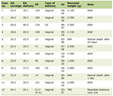
While not equivalent to human APOE ε4 targeted replacement, apoE-deficient mice (ApoE−/−) are widely used to model atherosclerosis and vascular inflammation. Telmisartan has been studied in ApoE−/− settings relevant to vascular injury and ischemia, supporting a broader vascular-protection profile that is mechanistically aligned with APOE ε4’s vascular liabilities [21]. Representative preclinical studies relevant to APOE ε4-associated vascular, inflammatory, and metabolic pathways are summarized in Table 2.
Click to view | Table 2. Preclinical Study Comparison |
| Clinical Evidence | ▴Top |
APOE-stratified human trial evidence
A standout APOE-genotyped clinical trial is the double-blind, randomized, placebo-controlled 2 × 2 factorial trial in 1,244 older hypertensive adults (≥ 60 years) without cognitive impairment at baseline, randomized to telmisartan placebo/active and rosuvastatin placebo/active (four groups), with background open-label hydrochlorothiazide and ∼7 years follow-up. Telmisartan was dosed 40 mg daily, increased to 80 mg if needed; rosuvastatin 10 mg daily. APOE genotyping was performed at baseline and ε4 carrier status was incorporated into interaction analyses [16].
Key reported findings included: (1) telmisartan and rosuvastatin each reduced cognitive impairment progression and incident dementia; (2) statistically significant interaction between telmisartan and rosuvastatin for cognition/dementia outcomes; (3) higher cognitive impairment progression and dementia risk in APOE ε4 carriers; and (4) rosuvastatin particularly alleviated progression and dementia risk in ε4 carriers, with combined therapy showing the most favorable trajectories and lowest cumulative dementia hazard in ε4-negative combined-treatment groups and worst outcomes in ε4-positive controls [16].
Interpretation for APOE ε4 personalization
This trial provides a rare example where APOE genotype was prospectively considered alongside medication effects over long follow-up. However, because telmisartan was tested in hypertensive older adults with background diuretic therapy and because outcomes included “possible dementia” definitions integrating cognitive scales and informant measures, the result should be viewed as supportive but not definitive evidence for telmisartan as a stand-alone APOE ε4 neuroprotective therapy.
ARB class evidence and telmisartan-specific constraints
Telmisartan is not the only ARB considered potentially neuroprotective. The class-level literature includes observational evidence suggesting that ARB use is associated with reduced incidence or progression of dementia compared with some other antihypertensives; such findings are susceptible to confounding, but they support the broader RAS-brain hypothesis [22].
A caveat for telmisartan is that large vascular-outcomes trials with cognitive/disability endpoints have not consistently shown strong neuroprotective effects of telmisartan in secondary prevention settings. The PRoFESS program is a prominent example of a large randomized factorial trial framework that included telmisartan (80 mg daily) versus placebo in post-stroke patients; such trials are critical context when evaluating claims of cognitive benefit from telmisartan. Published summaries document the design and endpoints, but do not establish telmisartan as a robust post-stroke “neuroprotectant” in humans [23].
Pharmacology, dosing, and safety considerations for precision use
For clinical personalization, telmisartan’s differentiators include: AT1R blockade with long duration of action, evidence of CNS penetration in animal pharmacology, and partial PPAR-γ engagement [7, 10].
In the APOE-genotyped long-term hypertension trial, telmisartan dosing was 40–80 mg daily, consistent with approved antihypertensive dosing ranges and typical clinical practice [16]. Importantly, current human evidence does not establish a genotype-specific therapeutic effect of telmisartan. Although APOE ε4 is strongly associated with increased dementia risk and provides a biologically plausible framework for patient stratification, existing clinical studies have not demonstrated that APOE genotype significantly modifies the cognitive effects of telmisartan. Accordingly, the present review should be viewed as proposing a precision-medicine hypothesis and mechanistic framework rather than advocating clinical implementation of APOE ε4-specific telmisartan therapy.
Safety remains the limiting factor for using telmisartan purely as a neuroprotective drug in normotensive individuals. Official labeling emphasizes risks that become more relevant when blood pressure lowering is not otherwise needed: hypotension, renal function deterioration in susceptible states, hyperkalemia (especially with kidney disease or interacting drugs), and strict pregnancy contraindication [17]. Key clinical studies informing the rationale for APOE ε4-stratified investigation of telmisartan are summarized in Table 3.
Click to view | Table 3. Clinical Evidence Relevant to APOE ε4 Stratification and Telmisartan |
| Evidence Challenging the APOE ε4–Telmisartan Hypothesis | ▴Top |
While several mechanistic and preclinical observations support investigation of telmisartan in APOE ε4 carriers, important limitations and contradictory findings should be acknowledged.
First, the strongest available human evidence derives from a single APOE-genotyped randomized trial involving older hypertensive adults receiving telmisartan and/or rosuvastatin. Although APOE genotype influenced overall dementia risk, the study did not establish a definitive APOE ε4-specific therapeutic effect of telmisartan [16]. Consequently, APOE ε4 should currently be regarded as a biologically plausible enrichment factor rather than a validated predictor of treatment responsiveness.
Second, beneficial findings observed in AD animal models should be interpreted cautiously. Numerous therapeutic interventions have demonstrated reductions in amyloid pathology, neuroinflammation, or cognitive impairment in transgenic mouse models but subsequently failed to produce clinically meaningful benefit in human trials. Therefore, improvements observed in APP/PS1, 5XFAD, or related models cannot be assumed to predict therapeutic efficacy in patients [24].
Third, the broader literature evaluating vascular and metabolic interventions in AD has produced mixed results. Although observational studies have suggested reduced dementia risk among users of angiotensin receptor blockers, confounding factors may contribute to these associations [22]. Similarly, despite strong biological rationale and encouraging observational findings, several randomized trials of statins have failed to demonstrate meaningful prevention or slowing of dementia progression [25].
Collectively, these considerations reinforce the need for rigorous mechanistic and genotype-stratified clinical trials before concluding that telmisartan provides clinically meaningful benefit specifically in APOE ε4 carriers.
| Gaps, Limitations, and Research Recommendations | ▴Top |
Key limitations of current evidence for an APOE ε4-telmisartan strategy
The evidence base remains incomplete for a definitive personalized-medicine recommendation because a central missing link is direct testing in APOE4 targeted-replacement models and APOE ε4-stratified clinical trials of telmisartan monotherapy with neurovascular endpoints. Much supportive evidence comes from amyloid transgenic models (5XFAD, APP/PS1) or non-APOE genotype rodents, with APOE ε4 relevance inferred by pathway overlap [11, 13–15].
In humans, the strongest APOE-genotyped evidence involves combination therapy (telmisartan + rosuvastatin) in hypertensive older adults. This is valuable but introduces interpretive complexity: background therapy (HCTZ), BP and lipid changes as mediators, dementia subtype ambiguity, and generalizability to non-hypertensive APOE ε4 carriers [16].
Biomarkers and endpoints for APOE ε4-stratified telmisartan trials
A rigorous APOE ε4 precision trial should treat BBB and cerebrovascular function as first-order endpoints, not only downstream cognition. Neurovascular/BBB biomarkers should include (at minimum) quantitative BBB permeability imaging (e.g., dynamic contrast-enhanced approaches), cerebrovascular reactivity/perfusion reserve measures, and blood/CSF markers aligned with vascular injury and inflammation. Human studies showing APOE ε4-related BBB and cerebrovascular vulnerability underscore the relevance of such endpoints [6, 19]. Future studies should therefore incorporate clinically meaningful outcomes together with complementary biomarkers such as plasma or CSF neurofilament light chain (NfL) [26] and hippocampal atrophy measures [27], both of which have demonstrated associations with neurodegeneration and cognitive decline [26, 27].
Trial design recommendations tailored to APOE ε4
A practical and informative design would be:
- Population: cognitively normal or early-mild cognitive impairment adults enriched for APOE ε4, stratified by ε4 dose (ε3/ε4 vs. ε4/ε4), and enriched for vascular/metabolic risk where telmisartan is clinically justifiable.
- Comparator strategy: BP-matched active comparator (e.g., another antihypertensive without PPAR-γ activity) to separate BP lowering from pleiotropic effects, and/or telmisartan vs. placebo in those needing antihypertensive therapy, with standardized BP targets to minimize confounding.
- Primary endpoints (mechanism-forward): BBB integrity, perfusion/cerebrovascular reactivity reserve, inflammatory biomarkers; secondary endpoints: cognition composites, AD biomarker trajectories (amyloid/tau positron emission tomography, plasma/CSF).
- Adaptive enrichment: increase sample size or duration for ε4/ε4 if signals emerge, given stronger risk and potentially larger vascular dysfunction.
- Before large genotype-stratified randomized trials, observational comparative-effectiveness studies comparing APOE ε4 carriers receiving telmisartan with carriers receiving alternative antihypertensive therapies may provide useful estimates of effect size, feasibility, and target population selection.
Precision-medicine positioning before definitive trials
Given telmisartan’s established cardiovascular indications and safety profile in indicated populations, the most defensible near-term “precision” position is a preferential selection strategy: when an APOE ε4 carrier requires an ARB for standard care, telmisartan may be a rational candidate to investigate because it couples AT1R blockade with mechanistically relevant PPAR-γ activity and demonstrable CNS exposure in preclinical pharmacology [7, 11, 16].
| Conclusions | ▴Top |
A precision-medicine hypothesis for telmisartan in APOE ε4 carriers is biologically plausible but remains unproven. APOE ε4 defines a common, high-risk subgroup characterized by BBB fragility, neurovascular dysfunction, and inflammatory–metabolic shifts that are mechanistically aligned with telmisartan’s dual pharmacology (AT1R blockade plus partial PPAR-γ activation). APOE ε4 BBB breakdown pathways (notably CypA–MMP signaling) plausibly intersect with Ang II–AT1R vascular oxidative stress biology, creating a coherent mechanistic rationale for telmisartan as a neurovascular stabilizer in ε4 carriers [3, 9–12, 19].
Preclinical data demonstrate that telmisartan can reduce microglial inflammation, reduce amyloid burden, and improve cognition in multiple mouse models, with evidence of PPAR-γ contribution in at least one key paradigm [11, 13, 14].
Human evidence remains limited but includes an unusually relevant long-term APOE-genotyped randomized trial in older hypertensive adults suggesting benefit for cognitive trajectories and dementia incidence, while providing a useful framework for future APOE-stratified investigation and assessment of potential interactions with rosuvastatin. This supports the broader hypothesis that targeting vascular/metabolic pathways can be especially important in APOE ε4 carriers, but it does not yet prove telmisartan monotherapy as an APOE ε4-specific neuroprotective treatment [16].
Current evidence supports APOE ε4-stratified mechanistic investigation rather than clinical implementation of APOE ε4-specific telmisartan therapy. Future studies should determine whether neurovascular stabilization, BBB preservation, and metabolic modulation translate into clinically meaningful benefit in APOE ε4 carriers.
Acknowledgments
The authors would like to acknowledge colleagues and mentors for their valuable discussions and insights that contributed to the development of this manuscript. No external assistance was received in the preparation of this review.
Financial Disclosure
The authors received no financial support for the research, authorship, and/or publication of this article.
Conflict of Interest
The authors declare that there are no conflicts of interest relevant to the content of this manuscript.
Informed Consent
Not applicable. This study is a narrative review and does not involve human participants or patient data.
Author Contributions
Josh Landers conceived the manuscript, performed the literature review, synthesized and interpreted the evidence, drafted and wrote the manuscript, coordinated revisions, and prepared the final version for submission. Cody Walker contributed to conceptualization of the review, critically reviewed and edited the manuscript, and approved the final version. Tyler Skaddy contributed to conceptualization of the review, critically reviewed and edited the manuscript, and approved the final version.
Data Availability
No new data were generated or analyzed in support of this research. Data sharing is not applicable to this article.
| References | ▴Top |
- Liu CC, Liu CC, Kanekiyo T, Xu H, Bu G. Apolipoprotein E and Alzheimer disease: risk, mechanisms and therapy. Nat Rev Neurol. 2013;9(2):106-118.
doi pubmed - Corder EH, Saunders AM, Strittmatter WJ, Schmechel DE, Gaskell PC, Small GW, Roses AD, et al. Gene dose of apolipoprotein E type 4 allele and the risk of Alzheimer's disease in late onset families. Science. 1993;261(5123):921-923.
doi pubmed - Bell RD, Winkler EA, Singh I, Sagare AP, Deane R, Wu Z, Holtzman DM, et al. Apolipoprotein E controls cerebrovascular integrity via cyclophilin A. Nature. 2012;485(7399):512-516.
doi pubmed - Farrer LA, Cupples LA, Haines JL, Hyman B, Kukull WA, Mayeux R, Myers RH, et al. Effects of age, sex, and ethnicity on the association between apolipoprotein E genotype and Alzheimer disease. A meta-analysis. APOE and Alzheimer Disease Meta Analysis Consortium. JAMA. 1997;278(16):1349-1356.
pubmed - Tai LM, Thomas R, Marottoli FM, Koster KP, Kanekiyo T, Morris AW, Bu G. The role of APOE in cerebrovascular dysfunction. Acta Neuropathol. 2016;131(5):709-723.
doi pubmed - Montagne A, Nation DA, Sagare AP, Barisano G, Sweeney MD, Chakhoyan A, Pachicano M, et al. APOE4 leads to blood-brain barrier dysfunction predicting cognitive decline. Nature. 2020;581(7806):71-76.
doi pubmed - Gohlke P, Weiss S, Jansen A, Wienen W, Stangier J, Rascher W, Culman J, et al. AT1 receptor antagonist telmisartan administered peripherally inhibits central responses to angiotensin II in conscious rats. J Pharmacol Exp Ther. 2001;298(1):62-70.
pubmed - Benson SC, Pershadsingh HA, Ho CI, Chittiboyina A, Desai P, Pravenec M, Qi N, et al. Identification of telmisartan as a unique angiotensin II receptor antagonist with selective PPARgamma-modulating activity. Hypertension. 2004;43(5):993-1002.
doi pubmed - Satoh K, Nigro P, Matoba T, O'Dell MR, Cui Z, Shi X, Mohan A, et al. Cyclophilin A enhances vascular oxidative stress and the development of angiotensin II-induced aortic aneurysms. Nat Med. 2009;15(6):649-656.
doi pubmed - Imayama I, Ichiki T, Inanaga K, Ohtsubo H, Fukuyama K, Ono H, Hashiguchi Y, et al. Telmisartan downregulates angiotensin II type 1 receptor through activation of peroxisome proliferator-activated receptor gamma. Cardiovasc Res. 2006;72(1):184-190.
doi pubmed - Tsukuda K, Mogi M, Iwanami J, Min LJ, Sakata A, Jing F, Iwai M, et al. Cognitive deficit in amyloid-beta-injected mice was improved by pretreatment with a low dose of telmisartan partly because of peroxisome proliferator-activated receptor-gamma activation. Hypertension. 2009;54(4):782-787.
doi pubmed - Soe NN, Sowden M, Baskaran P, Kim Y, Nigro P, Smolock EM, Berk BC. Acetylation of cyclophilin A is required for its secretion and vascular cell activation. Cardiovasc Res. 2014;101(3):444-453.
doi pubmed - Torika N, Asraf K, Danon A, Apte RN, Fleisher-Berkovich S. Telmisartan modulates glial activation: in vitro and in vivo studies. PLoS One. 2016;11(5):e0155823.
doi pubmed - Torika N, Asraf K, Cohen H, Fleisher-Berkovich S. Intranasal telmisartan ameliorates brain pathology in five familial Alzheimer's disease mice. Brain Behav Immun. 2017;64:80-90.
doi pubmed - Fu XX, Wei B, Cao HM, Duan R, Deng Y, Lian HW, Zhang YD, et al. Telmisartan alleviates Alzheimer's disease-related neuropathologies and cognitive impairments. J Alzheimers Dis. 2023;94(3):919-933.
doi pubmed - Hu W, Li Y, Zhao Y, Dong Y, Cui Y, Sun S, Gong G, et al. Telmisartan and rosuvastatin synergistically ameliorate dementia and cognitive impairment in older hypertensive patients with apolipoprotein E genotype. Front Aging Neurosci. 2020;12:154.
doi pubmed - U.S. Food and Drug Administration. Telmisartan (Micardis) prescribing information. DailyMed [Internet]. 2025 [cited May 11, 2026]. Available from: https://dailymed.nlm.nih.gov.
- Koizumi K, Hattori Y, Ahn SJ, Buendia I, Ciacciarelli A, Uekawa K, Wang G, et al. Apoepsilon4 disrupts neurovascular regulation and undermines white matter integrity and cognitive function. Nat Commun. 2018;9(1):3816.
doi pubmed - Suri S, Mackay CE, Kelly ME, Germuska M, Tunbridge EM, Frisoni GB, Matthews PM, et al. Reduced cerebrovascular reactivity in young adults carrying the APOE epsilon4 allele. Alzheimers Dement. 2015;11(6):648-657.e641.
doi pubmed - Schuster F, Huber G, Stolting I, Wing EE, Saar K, Hubner N, Banks WA, et al. Telmisartan prevents diet-induced obesity and preserves leptin transport across the blood-brain barrier in high-fat diet-fed mice. Pflugers Arch. 2018;470(11):1673-1689.
doi pubmed - Iwai M, Inaba S, Tomono Y, Kanno H, Senba I, Mogi M, et al. AT1 receptor blockade by telmisartan attenuates ischemic brain damage in apolipoprotein E–deficient mice. Hypertens Res. 2008;31(1):161-168.
- Li NC, Lee A, Whitmer RA, Kivipelto M, Lawler E, Kazis LE, Wolozin B. Use of angiotensin receptor blockers and risk of dementia in a predominantly male population: prospective cohort analysis. BMJ. 2010;340:b5465.
doi pubmed - Yusuf S, Diener HC, Sacco RL, Cotton D, Ounpuu S, Lawton WA, Palesch Y, et al. Telmisartan to prevent recurrent stroke and cardiovascular events. N Engl J Med. 2008;359(12):1225-1237.
doi pubmed - Cummings J, Lee G, Nahed P, Kambar M, Zhong K, Fonseca J, Taghva K. Alzheimer's disease drug development pipeline: 2022. Alzheimers Dement (N Y). 2022;8(1):e12295.
doi pubmed - Feldman HH, Doody RS, Kivipelto M, Sparks DL, Waters DD, Jones RW, Schwam E, et al. Randomized controlled trial of atorvastatin in mild to moderate Alzheimer disease: LEADe. Neurology. 2010;74(12):956-964.
doi pubmed - Mattsson N, Cullen NC, Andreasson U, Zetterberg H, Blennow K. Association between longitudinal plasma neurofilament light and neurodegeneration in patients with Alzheimer disease. JAMA Neurol. 2019;76(7):791-799.
doi pubmed - Jack CR, Jr., Petersen RC, Xu YC, O'Brien PC, Smith GE, Ivnik RJ, Boeve BF, et al. Prediction of AD with MRI-based hippocampal volume in mild cognitive impairment. Neurology. 1999;52(7):1397-1403.
doi pubmed
This article is distributed under the terms of the Creative Commons Attribution 4.0 International License (CC BY 4.0), which permits unrestricted use, distribution, and reproduction in any medium, including commercial use, provided the original work is properly cited.
Journal of Neurology Research is published by Elmer Press Inc.