| Journal of Neurology Research, ISSN 1923-2845 print, 1923-2853 online, Open Access |
| Article copyright, the authors; Journal compilation copyright, J Neurol Res and Elmer Press Inc |
| Journal website https://jnr.elmerpub.com |
Case Report
Volume 000, Number 000, October 2026, pages 000-000

Symptomatic Improvement in Amyotrophic Lateral Sclerosis During Low-Dose Sublingual Ketamine Treatment for Depression
Mitchell B. Liestera, c  , Bertrand Liangb
aDepartment of Psychiatry, University of Colorado School of Medicine, Aurora, CO, USA
bDepartment of Neurology, University of Colorado School of Medicine, Aurora, CO, USA
cCorresponding Author: Mitchell B. Liester, Department of Psychiatry, University of Colorado School of Medicine, Aurora, CO, USA
Manuscript submitted July 15, 2026, accepted September 22, 2026, published online October 13, 2026
Short title: ALS Symptom Improvement With Ketamine
doi: https://doi.org/10.14740/jnr1140
| Abstract | ▴Top |
Amyotrophic lateral sclerosis (ALS) is a progressive neurodegenerative disorder with limited treatment options. Ketamine has demonstrated neuroprotective properties in preclinical models through multiple mechanisms, including N-methyl-D-aspartate (NMDA) receptor antagonism and sigma-1 receptor agonism. We present the case of a man with ALS whose symptoms improved during treatment with low-dose sublingual ketamine. To our knowledge, this is the first published case describing clinical improvement in ALS during treatment with low-dose ketamine. The patient was a 64-year-old man with comorbid major depressive disorder (MDD), attention-deficit/hyperactivity disorder (ADHD), and panic disorder who was diagnosed with ALS. Following initiation of low-dose sublingual ketamine (25–125 mg daily) for treatment-resistant depression, the patient exhibited stabilization and improvement of ALS symptoms over a 3-year observation period. Serial clinical examinations and functional assessments showed stabilization and, in some domains, improvement of motor function over more than 2 years of treatment. Muscle cramping frequency decreased from an estimated 15–20 episodes per day at baseline to 1–2 episodes per day by month 4, with complete resolution of lower extremity muscle cramps and an approximately 80% reduction in reported pain intensity. Independent periodic neurologic evaluations over 3 years documented absence of disease progression, and a subsequent examination at month 13 described the patient as “regaining muscle strength,” findings that are atypical in established ALS. Walking distance increased from less than one block, with need for assistance exiting a vehicle, to 10–12 city blocks independently by month 13. The patient also completed a 1-mile ALS charity walk at month 6 while using nocturnal noninvasive ventilation. Following discontinuation of ketamine after approximately 26 months of treatment, the patient experienced mood deterioration while ALS symptoms resumed slow progression. As of 37 months post-diagnosis, the patient remains ambulatory and capable of air travel, a remarkably extended functional period for ALS. This case provides clinical evidence supporting potential disease modifying effects of low-dose sublingual ketamine in ALS, possibly mediated through sigma-1 receptor agonism, NMDA receptor modulation, and anti-inflammatory mechanisms. The extended survival and functional capacity observed suggest therapeutic implications for ALS and potentially other neurodegenerative disorders sharing common pathophysiological pathways.
Keywords: Ketamine; Neurodegeneration; NMDA receptor antagonist; Sigma-1 receptor; Amyotrophic lateral sclerosis
| Introduction | ▴Top |
Amyotrophic lateral sclerosis (ALS) is a progressive neurodegenerative disease characterized by selective loss of upper and lower motor neurons in the brain and spinal cord, leading to progressive muscle weakness, atrophy, fasciculations, and eventual respiratory failure. The median survival from symptom onset is 3–5 years, with most patients succumbing to respiratory complications [1, 2]. Current Food and Drug Administration (FDA)-approved treatments (riluzole and edaravone) provide only modest prolongation of survival, typically measured in months [3]. AMX0035 (sodium phenylbutyrate/taurursodiol) was previously approved for ALS but was voluntarily withdrawn from the market in 2024 after a phase 3 trial failed to demonstrate efficacy; therefore, it is not included here as an approved treatment. Ketamine, originally developed as an anesthetic and recently approved for treatment-resistant depression, demonstrates neuroprotective properties through multiple mechanisms relevant to neurodegenerative disease. Ketamine’s primary mechanism involves non-competitive antagonism of N-methyl-D-aspartate (NMDA) receptors, which reduces glutamate-mediated excitotoxicity implicated in motor neuron death in ALS [4, 5]. Perhaps most relevant to ALS, ketamine acts as a sigma-1 receptor (S1R) agonist [6, 7]. S1Rs are endoplasmic reticulum (ER) chaperone proteins that regulate calcium signaling, ER stress responses, mitochondrial function, and neuronal survival. Mutations in the S1R gene (SIGMAR1) cause a juvenile form of ALS, and S1R dysfunction has been implicated in sporadic ALS pathogenesis [8, 9]. S1R agonism by ketamine may stabilize ER–mitochondria contacts to improve calcium homeostasis, reduce ER stress and the unfolded protein response (UPR), enhance mitochondrial adenosine triphosphate (ATP) production, promote motor neuron survival through anti-apoptotic signaling, and modulate neuroinflammatory responses. Beyond these primary mechanisms, ketamine demonstrates additional neuroprotective properties through increased brain-derived neurotrophic factor (BDNF) expression [10], anti-inflammatory effects through multiple pathways [11], mitochondrial protection and improved bioenergetics [12], reduction of oxidative stress, and modulation of autophagy and protein aggregation pathways.
Depression affects 20–50% of ALS patients and significantly impacts quality of life [13]. The relationship between ALS and depression is complex, involving both reactive psychological responses and shared neurobiological substrates. Ketamine’s dual effects on mood and potential neuroprotection make it particularly relevant for ALS patients with comorbid depression. We present a case of a patient with confirmed ALS and comorbid MDD who experienced unexpected stabilization and improvement of ALS symptoms over 3 years of low-dose sublingual ketamine treatment, with subsequent mood deterioration following ketamine discontinuation.
| Case Report | ▴Top |
Patient history and diagnosis
A 64-year-old Caucasian male presented with a confirmed diagnosis of ALS based on progressive weakness and characteristic electromyography nerve conduction velocity (electromyography nerve conduction velocity (EMG NCV) findings. His psychiatric history included major depressive disorder (MDD), attention-deficit/hyperactivity disorder (ADHD), and panic disorder, all under ongoing treatment. The patient worked as a property manager, a physically demanding occupation requiring significant mobility and endurance. The diagnosis was established by the patient’s outside treating neurologist prior to his referral for psychiatric care. The site of symptom onset (bulbar versus limb), the specific diagnostic classification applied (e.g., El Escorial, Awaji, or Gold Coast criteria), and detailed upper versus lower motor neuron examination findings were not specified in the records available. Likewise, nothing in the records available indicated the patient was prescribed riluzole or ALS-specific antispasmodic or cramp-directed agents (e.g., baclofen, mexiletine, quinine) at any point during the observation period, or edaravone prior to month 20.
Baseline ALS presentation (onset)
At the time of ketamine initiation, the patient reported experiencing his “worst day yet” with ALS symptoms, requiring physical assistance from his wife to exit his vehicle at the end of the workday. Motor symptoms included progressive muscle weakness particularly in the arms, severe muscle cramping with 15–20 episodes daily in the hands and frequent cramping in the calves, muscle pain in legs and hips that disrupted sleep, fasciculations, and the need for spousal assistance with basic mobility. Respiratory symptoms comprised dizziness and cognitive fogginess attributed to hypoxia from shallow breathing, requiring bilevel positive airway pressure (BiPAP) support for nocturnal ventilation, with BiPAP also prescribed for daytime use as needed (forced vital capacity, 62% predicted). Despite these severe symptoms, the patient continued working 8–9 h daily and performed 4–5 property walkthroughs daily, though he had experienced significant functional decline in the preceding weeks.
Genetic testing revealed no known associated clinically significant genomic abnormality. However, the patient was found to have a heterozygous TAF15 sequence variant, the clinical significance of which is not known.
Baseline psychiatric status (onset)
The patient presented with severe depressive symptoms including mood rated at 3–4/10 (“pretty low”), sleep of 8 h nightly but severely fragmented by muscle pain, energy described as “horrible” and unresponsive to current medications, decreasing appetite, stable weight at baseline, markedly impaired concentration, low to moderate anxiety, and passive death ideation. He denied anhedonia and suicidal ideation. The combination of progressive ALS, severe depression with passive death ideation, and declining function represented a clinical crisis requiring aggressive intervention.
Ketamine treatment protocol
Sublingual ketamine was initiated at 25 mg in the evening, for treatment-resistant MDD. Subsequent dose adjustments included increases to 50 mg daily at 2 months, 75 mg daily at 7 months, 100 mg daily at 9 months, and 125 mg daily (maximum dose) at 14 months. Dose increases followed the standard titration protocol for treatment-resistant depression rather than being driven by ALS response. The medication was discontinued at 25 months when the prescription lapsed, and the patient elected not to restart subsequently.
Psychiatric medications that were prescribed during the time ketamine was prescribed included trazodone 150–300 mg at bedtime as needed for sleep and amphetamine-dextroamphetamine 10–20 mg each morning for fatigue and depression. Doses of these medicines remained stable during ketamine treatment and no other psychotropic medications were added or discontinued during this time.
Clinical course and objective measurements
Timeline of key clinical events
The clinical course is summarized in tabular form in Table 1 and displayed graphically in Figure 1, which plots ketamine dose, respiratory support, concurrent ALS therapies and trials, and key clinical milestones along a common timeline.
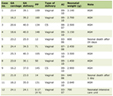 Click to view | Table 1. Timeline of Ketamine Treatment and ALS Clinical Course |
 Click for large image | Figure 1. Graphical timeline of ketamine treatment and ALS clinical course. ALS: amyotrophic lateral sclerosis; BiPAP: bilevel positive airway pressure; CPAP: continuous positive airway pressure; NIV: noninvasive ventilation; FVC: forced vital capacity; HEALEY: Healey ALS Platform Trial; SL: sublingual. |
Functional assessments
Over the 26-month ketamine exposure period, serial clinical notes and functional observations consistently showed stable function rather than the expected linear decline. This pattern was supported by multiple quantitative and semi-quantitative measures: large reductions in cramp frequency and nociceptive pain, improved hand strength on examination, marked increases in ambulatory capacity, preserved ability to undertake commercial air travel into the third year after diagnosis, and stable pulmonary function tests during this time. After ketamine discontinuation, mood worsened and clinicians again characterized the ALS course as “slowly progressive,” although the patient remained ambulatory at 37 months, which is beyond the median functional survival expected for sporadic ALS.
Key objective measurements demonstrated remarkable improvements across multiple domains. Muscle cramping decreased from 15–20 episodes per day at baseline to 1–2 episodes per day by month 4 and thereafter, representing a 93% reduction. Pain intensity showed approximately 80% reduction from baseline by month 10. Walking distance increased dramatically from less than one block with assistance at baseline to 10–12 blocks independently by month 13, representing a 10- to 12-fold improvement in ambulatory capacity. As a functional milestone, the patient completed a 1-mile walk at an ALS charity event at month 6. Respiratory function showed a baseline forced vital capacity (FVC) of 62% predicted; as detailed in Table 1 and Figure 1, breathing capacity declined by 24% with initiation of continuous positive airway pressure (CPAP) at month 6, although the patient continued to require nocturnal BiPAP/CPAP throughout the observation period and experienced altitude-related desaturation. Aside from this month-6 event, pulmonary status was reported qualitatively as stable at the visits where it was assessed; we did not have access to serial numeric FVC values beyond the baseline measurement (see Limitations). Motor strength assessments by independent examiners documented “no progression” during the time period, with one examination at month 13 describing the patient as “regaining muscle strength.”
Detailed clinical course
Ketamine treatment and follow-up (26 months)
At the 1-month follow-up (25 mg daily), mood had improved from 3–4/10 to 5/10 (“not too bad”), and sleep quality had improved significantly, with the patient reporting “good” sleep for 8–9 h nightly that was no longer fragmented by pain. Energy remained decreased, and no adverse medication effects were reported. Regarding ALS status, the patient subjectively reported rapid progression yet continued full-time work despite symptoms. Despite the subjective report of progression, the patient demonstrated improved sleep architecture with elimination of pain-related awakenings and maintained full-time work, suggesting early functional stabilization.
At the 2-month follow-up (50 mg daily), mood remained stable at 5–6/10 with good sleep quality for 8–9 h. The patient reported mild cognitive effects described as feeling “a little bit spacey” in the mornings until noon, though these effects were tolerable and did not require dose reduction. Neurological evaluation at this visit provided the first documented stabilization, with the examining physician documenting no disease progression. Muscle cramps had become significantly less frequent, and muscle strength was stable, representing a halt in the previously progressive decline, and fasciculations had improved. The patient enrolled in the HEALEY (Healey ALS Platform Trial) ALS platform trial at this time, which involved weekly intravenous (IV) infusion of trehalose over a 26-week protocol. This visit represents the first objective documentation of disease stabilization occurring after 2 months of ketamine treatment at escalating doses.
At the 4-month follow-up (50 mg daily), mood had improved to 7–8/10 and sleep remained stable at 8–9 h. The patient’s energy level was improving, and his concentration had improved from “impaired” to “better.” He denied anxiety and his passive death ideation had resolved. Regarding ALS status, ALS symptoms were stable. Pain had decreased significantly. Muscle cramps were occurring 1–2 times daily, which was a 93% reduction from his baseline level of 15–20 daily. Muscle cramps in calves had entirely resolved (100% resolution). Functional capacity was markedly improved. The patient traveled out-of-state with his wife where they attended a concert, and he reported having “a good time” (resolution of anhedonia). Regarding concurrent treatments, in addition to taking ketamine, the patient continued his participation in the Ongoing HEALEY trial, which involved weekly IV infusions of trehalose. By 4 months, the patient demonstrated near-complete psychiatric remission concurrent with marked ALS symptom improvement and functional gains exceeding pre-treatment baseline.
At the 6-month follow-up (50 mg daily), the patient participated in “America the Beautiful” ALS fundraising walk, during which he walked 1 mile independently. Regarding ALS status, the patient’s breathing capacity declined by 24% and he initiated use of CPAP. Psychosocially, the patient experienced significant family conflict regarding potential relocation, and he was experiencing uncertainty about his housing/relocation plans. Psychiatrically, mood declined to 3/10, which was a significant decline from 7–8/10. He also experienced a weight loss of 4 lb. This visit demonstrates the impact of severe psychosocial stress on both psychiatric and ALS symptoms, despite ketamine treatment. However, even during this crisis period, the patient maintained ambulatory capacity sufficient to complete a 1-mile walk.
At the 7-month follow-up, the ketamine dose was increased to 75 mg daily. Mood improved to 5–6/10 (“pretty good”) after recovering from the aforementioned stressors. A decision was also made to relocate to another state, resolving the previous uncertainty. ALS symptoms were described as “not too bad” and tolerable. The resolution of psychosocial stressors coincided with mood improvement and stabilization of ALS symptoms.
At the 10-month follow-up (100 mg daily), the patient stated, “I am feeling super.” Pain had decreased by 80% from baseline, and the burning sensation had resolved. Muscle strength was described as “still weak” but stable. Ambulatory capacity had increased from one block to three blocks. Mood had improved to 7–8/10 (euthymic). The patient also reported a significant life event: “I think I had my greatest day in years on Saturday night.” The ketamine dose was increased to 100 mg daily. Overall, this visit represented the peak of clinical improvement. The patient reported his “greatest day in years,” including an 80% pain reduction, resolution of burning, a threefold increase in walking distance, and euthymic mood.
At the 13-month follow-up (100 mg daily), the patient was accepted into a trehalose clinical trial at a major US medical center. Muscle cramps were reduced to 1–2 per day (stable at 93% reduction from baseline). Walking increased to 10–12 blocks (10- to 12-fold baseline capacity). Physical examination by a physician assistant documented that the patient “seems to be regaining muscle strength”. Mood was described as “pretty good.” This visit documented objective examination findings of “regaining muscle strength” by an independent clinician at a major ALS center, 13 months after ketamine initiation. Walking capacity increased 10-12 fold from baseline. These findings are highly atypical for progressive ALS.
At the 14-month follow-up (125 mg daily), the patient traveled to Minnesota for a concert. He stayed in Montana for 2 weeks and visited a family member in Pennsylvania. He was enrolled in Expanded Access Program for trehalose and received weekly infusions. The ketamine dose was increased to 125 mg daily (the maximum dose achieved). Despite respiratory infection setback, the patient maintained an active lifestyle with extensive travel.
At the 17-month follow-up (125 mg daily), the patient reported, “ALS is progressing slowly.” He explained that his legs were weaker than previously. Oxygen saturation dropped to 81% at altitude in Colorado. Hand strength improved (contrary to typical ALS progression). At this visit, the patient acknowledged slow ALS progression in his legs while simultaneously reporting improved hand strength. The contrast between lower extremity weakness and upper extremity improvement is notable.
At the 20-month follow-up (125 mg daily), the patient started Radicava (edaravone) for ALS. Side effects included burning muscles and fatigue. The addition of Radicava (FDA-approved ALS treatment) complicates attribution of subsequent changes to ketamine alone.
At the 26-month follow-up (125 mg daily), the patient reported “feeling well physically.” The exception was that he was experiencing shortness of breath. The patient reported a 10% improvement in function after moving from Colorado to Minnesota (altitude effect: sea level vs. 5,280 feet). His strength improved. At 26 months (over 2 years) on ketamine, the patient reported feeling “well physically” with improved strength after relocating to a lower altitude. This contradicts expected ALS progression trajectory.
Post-discontinuation follow-up (1 month off ketamine)
After moving from Colorado, he discontinued ketamine due to his inability to find a physician who would prescribe the medicine for him. The patient reported his symptoms were “slowly progressing.” He reported that he had a wheelchair available but “does not need it yet.” He remained ambulatory (remarkable at 27 months post-diagnosis). Mood was described as “struggling a bit” (decline from euthymic). The temporal relationship between ketamine cessation and mood worsening supports ketamine’s antidepressant efficacy.
Final follow-up (12 months off ketamine, 37 months post-diagnosis)
At the final follow-up (12 months off ketamine, 37 months postdiagnosis), the patient was still walking and remained able to travel by air. He had recently flown to Montana to visit a family member, and he had plans to fly to Pennsylvania in the near future. The patient was experiencing “some difficulty breathing”; however, this difficulty did not prohibit air travel. He was enrolled in a clinical trial utilizing gold nanoparticles for ALS treatment. At 37 months post-diagnosis and 12 months after ketamine discontinuation, the patient remained ambulatory and capable of interstate air travel—a functional capacity that may be more favorable than typically expected in ALS, although these outcomes cannot be attributed to ketamine given the multiple concurrent interventions described in the Limitations section.
| Discussion | ▴Top |
This case describes stabilization and improvement of ALS symptoms over 26 months of low-dose sublingual ketamine treatment for comorbid MDD, followed by 12 months of observation after ketamine discontinuation. At 37 months post-diagnosis, the patient maintains ambulatory capacity and independence, a course that appears more favorable than typical ALS progression; however, as a single, uncontrolled case with several concurrent interventions, this observation cannot establish that ketamine altered the underlying disease trajectory, and it should be interpreted as hypothesis-generating.
S1R: a critical mechanistic link
The S1R represents perhaps the most compelling mechanistic link between ketamine treatment and the ALS stabilization observed in this case. This unique ER chaperone protein has emerged as a key factor in motor neuron survival and has a direct genetic link to ALS pathogenesis [14].
S1R: biology and cellular function
The S1R regulates calcium signaling between the ER and mitochondria. This calcium transfer is essential for maintaining mitochondrial bioenergetics and ATP production, processes that are compromised in ALS [15].
Beyond calcium homeostasis, the S1R serves as a regulator of cellular stress responses, modulating the UPR and helping maintain proteostasis [16]. The receptor also regulates autophagy and protein degradation pathways [17]. Additionally, the S1R exerts anti-inflammatory effects, dampening the neuroinflammatory responses that accelerate motor neuron degeneration [18–20].
Genetic evidence linking S1R to ALS
The connection between S1R dysfunction and ALS was established with the discovery that mutations in the SIGMAR1 gene cause a juvenile-onset form of ALS (amyotrophic lateral sclerosis type 16 (ALS16)). These loss-of-function mutations result in progressive motor neuron degeneration with clinical and pathological features characteristic of classical ALS [8].
Animal models have provided compelling support for the causal role of S1R dysfunction in motor neuron disease. Mice with genetic knockout of the S1R develop pathological features remarkably similar to human ALS. The motor neuron degeneration in S1R knockout mice can be partially rescued by pharmacological S1R agonists, demonstrating that restoring S1R function can be neuroprotective [15, 16, 21].
S1R dysfunction in sporadic ALS
While SIGMAR1 mutations account for only a small fraction of ALS cases, emerging evidence indicates that S1R dysfunction occurs broadly in sporadic ALS. Post-mortem studies of spinal cord tissue from sporadic ALS patients have revealed significantly reduced S1R expression in motor neurons compared to controls, suggesting that loss of S1R function may be a common downstream feature of the disease. This reduction in S1R expression correlates with impaired ER-mitochondria communication, disrupted calcium signaling, dysregulated UPR, elevated ER stress, and mitochondrial dysfunction [14].
Ketamine as a S1R agonist
The S1R is a plausible mechanistic link between ketamine treatment and the ALS stabilization observed in this case [8, 9]. Genetic and experimental data identifying pathogenic SIGMAR1 variants in juvenile-onset ALS further implicate S1R dysfunction in ALS pathogenesis [14, 15].
Functional effects of S1R agonists
The activity of S1R agonists includes ER stress reduction [22], mitochondrial protection [23], anti-apoptotic effects, improved calcium homeostasis [24, 25], anti-inflammatory effects [19], and enhanced autophagy [26].
Clinical correlation
The clinical improvements observed in this patient are consistent with, though do not establish, S1R-mediated neuroprotection. The 93% reduction in muscle cramping could reflect reduced motor neuron hyperexcitability related to improved calcium regulation, though a direct analgesic or muscle-relaxant effect of ketamine cannot be excluded. The 80% reduction in pain and resolution of burning sensations may be consistent with reduced neuroinflammation and improved mitochondrial function or may simply reflect ketamine’s established analgesic properties. The stabilization and improvement in muscle strength are compatible with, but do not by itself demonstrate, motor neuron preservation; these mechanistic explanations remain hypotheses that would require prospective, controlled investigation to confirm.
The apparent dose-dependent relationship between ketamine dose and clinical response is one observation compatible with S1R mediation, though it is equally consistent with a dose-dependent antidepressant, analgesic, or anti-inflammatory effect unrelated to motor neuron preservation. As ketamine doses increased from 25 mg to 125 mg daily, clinical improvements progressively increased; this pattern is hypothesis-generating rather than confirmatory of S1R-mediated neuroprotection.
NMDA receptor antagonism and excitotoxicity
Beyond S1R modulation, ketamine’s NMDA receptor antagonism addresses glutamate excitotoxicity, a well-established contributor to ALS pathogenesis. Multiple lines of evidence demonstrate abnormal glutamate homeostasis in ALS patients, with elevated glutamate concentrations and reduced expression of the astrocytic glutamate transporter EAAT2 (excitatory amino acid transporter 2) [27–29]. Motor neurons demonstrate heightened vulnerability to glutamate-mediated excitotoxicity [30, 31]. Ketamine addresses this excitotoxicity through non-competitive antagonism at NMDA receptors [32]. Ketamine preferentially blocks pathologically overactive NMDA receptors while having less effect on physiological signaling [33]. By reducing excessive calcium influx into motor neurons, ketamine can interrupt the excitotoxic cascade before it reaches the point of irreversible cellular damage [34].
Neurotrophic factor enhancement through BDNF upregulation
Ketamine’s ability to rapidly increase BDNF expression represents another critical mechanism potentially contributing to motor neuron stabilization. Mounting evidence indicates that BDNF availability becomes compromised in ALS [35]. Clinical and post-mortem studies suggest that BDNF signaling is altered in ALS, with lower serum BDNF levels associated with more severe disease and region-specific changes in BDNF expression reported in motor system tissues [36].
Preclinical studies indicate that subanesthetic ketamine rapidly increases BDNF expression [37]. Within hours of administration, BDNF mRNA and protein levels increase significantly in hippocampus and prefrontal cortex. This upregulation persists for days after a single dose [38].
The BDNF-induced effects extend beyond neuronal survival to include enhanced synaptic protein synthesis and remodeling of dendritic spines [39]. Ketamine-induced BDNF upregulation promotes synaptic resilience, helps maintain neuromuscular junctions, and may support motor neuron regeneration and circuit reorganization. These neuroplastic effects could enable compensatory adaptations, allowing surviving motor neurons to expand their innervation territories and maintain muscle function despite ongoing degeneration [40].
Clinical evidence of neuroplasticity
The motor improvements may reflect BDNF-mediated neuroplasticity in motor circuits. The documented “regaining of muscle strength” at 13 months suggests not mere stabilization but actual functional recovery, possibly indicating synaptic reorganization and axonal sprouting to reinnervate denervated muscle fibers—a process dependent on BDNF.
Anti-inflammatory mechanisms
Neuroinflammation plays a central role in ALS pathogenesis and progression [41–43].
Preclinical and clinical studies indicate that ketamine can modulate neuroinflammatory pathways [44]. The chronic daily dosing regimen employed in this case, spanning 26 months of continuous treatment, provided sustained anti-inflammatory effects that may have progressively reduced inflammatory burden and allowed a more favorable environment for motor neuron survival.
Clinical correlation
The dramatic symptomatic improvements provide clinical evidence supporting ketamine’s anti-inflammatory effects. The 80% reduction in pain is particularly striking, as neuroinflammation directly sensitizes pain pathways [45]. The complete resolution of burning sensation and marked reduction in cramping may also reflect anti-inflammatory mechanisms. The sustained improvements over 26 months suggest that chronic anti-inflammatory treatment successfully interrupted the self-amplifying inflammatory cascade which typically drives ALS progression.
Clinical implications
This case has several important clinical implications: (1) Potential disease-modifying treatment for ALS: If confirmed in controlled trials, ketamine offers several practical advantages, including oral and sublingual bioavailability enabling convenient outpatient use, generic availability at low cost, dual benefit addressing both motor symptoms and comorbid depression, and demonstrated good tolerability for extended periods as evidenced by the 26-month treatment course in this case. (2) Depression in ALS: ALS patients with comorbid depression may be ideal candidates, given ketamine’s antidepressant effects and potential neuroprotective benefits. (3) Monitoring and biomarkers: Future use would benefit from regular neurological examinations, respiratory function testing, functional scales (Amyotrophic Lateral Sclerosis Functional Rating Scale–Revised (ALSFRS-R)), quality-of-life measures, and potential biomarkers (e.g., neurofilament light chain) [46].
Limitations
This case report has important limitations. From a study design perspective, this represents a single case without control conditions, blinding, or randomization, relying on retrospective reporting and observational data only. Significant confounding factors include multiple concurrent ALS treatments including participation in the HEALEY trial (trehalose administration) and Radicava, making it impossible to definitively attribute outcomes to ketamine alone. The altitude change from Colorado to Minnesota may have contributed to some improvements, and standard symptomatic medications add further complexity to attribution of effects. A particularly important alternative explanation is that ketamine’s antidepressant and analgesic effects, which are well established independent of any action on motor neurons, improved the patient’s mood, sleep, pain, and motivation; this could in turn have increased physical activity, effort during examination, and self-reported function without any change in the underlying rate of motor neuron loss. Because ketamine was started on the day the patient described as his worst, regression to the mean cannot be excluded either. Additional potential sources of bias include observer bias, recall bias, expectation bias inherent to retrospective narrative review, selection bias in the decision to report this case, and publication bias favoring positive outcomes.
Measurement limitations include the absence of objective strength function testing outside of clinical bedside evaluations. Many assessments relied on subjective patient reports including cramp frequency, pain intensity, and walking distance. From a temporal perspective, the follow-up period of 37 months, including 26 months on ketamine, is relatively short for a chronic neurodegenerative disease, and the long-term trajectory beyond the current observation period remains unknown.
Several additional data elements that would have been of value were not available to the authors, who served as the patient’s psychiatric providers rather than his treating ALS neurologists. These include serial ALSFRS-R scores, serial forced vital capacity values beyond the single baseline measurement, quantitative strength testing, and neurofilament light chain levels; some of these measures may exist in the HEALEY Platform Trial database but were not accessible to the authors. Likewise, the precise date of symptom onset, the length of diagnostic delay, and any pre-treatment ALSFRS-R slope are unknown to the authors, precluding assessment of whether this patient’s disease course was already atypically indolent before ketamine was started. The formal diagnostic criteria used to establish the ALS diagnosis (e.g., El Escorial, Awaji, or Gold Coast) and detailed upper- versus lower-motor-neuron examination findings were likewise not documented in the records available. Moreover, other records were also not available, including those documenting the formal exclusion of stiff-person spectrum disorder (e.g., anti-glutamic acid decarboxylase 65 (GAD65) or anti-amphiphysin antibody testing) or continuous motor unit activity on EMG. The patient’s overall pattern of progressive weakness and fasciculations is atypical for stiff-person spectrum disorder, which more characteristically presents with axial and proximal-limb rigidity and continuous co-contraction; however, this alternative diagnosis cannot be independently excluded based on the information available. Because the ALS diagnosis itself was made by an outside treating neurologist and could not be independently verified by the authors, all conclusions drawn from this case are contingent on the accuracy of that diagnosis.
Generalizability is limited by several factors. This single patient case inherently limits the ability to generalize findings to other ALS patients. This particular patient had comorbid psychiatric disorders including MDD, ADHD, and panic disorder, which may not be representative of the broader ALS population. The specific ALS phenotype in this patient may differ from other ALS presentations in view of the noted genetic finding.
Safety considerations
Low-dose daily sublingual ketamine demonstrated good tolerability over the 26-month treatment period. Reported adverse effects were minimal and included mild transient cognitive effects described as feeling “spacey” in the mornings at the 50 mg dose level, which the patient found tolerable and did not require dose reduction. At the maximum dose of 125 mg, the patient experienced evening visual imagery that was not distressing and did not interfere with treatment adherence. No cardiovascular, hepatic, renal, or urological complications were documented throughout the treatment period.
For future clinical studies of ketamine in ALS patients, monitoring recommendations include assessments that are designed to address safety considerations specific to chronic, long-term daily ketamine use. These may include periodic liver function tests, monitoring of urinary symptoms (given potential bladder effects with chronic ketamine abuse), blood pressure monitoring, and assessment for psychological dependence.
Conclusions
We report a case of marked ALS symptom stabilization and improvement over 26 months of low-dose sublingual ketamine treatment (25–125 mg daily) for comorbid MDD, with sustained functional capacity 37 months post-diagnosis and 12 months after ketamine discontinuation. Key findings from this case include improvement or stabilization across multiple domains, including mood, cramping and pain, bedside and patient-reported strength, and ambulatory capacity. The medication was well-tolerated with minimal adverse effects, which were limited to transient morning cognitive effects and non-distressing visual imagery. No serious complications occurred. Even modest disease modification in ALS would significantly impact patient outcomes and quality of life. Because this is a single, uncontrolled case with multiple concurrent interventions, it cannot establish that ketamine produced disease modification; the findings should be regarded as hypothesis-generating and warrant evaluation in prospective, controlled studies before conclusions about efficacy are drawn. These conclusions are further contingent on the accuracy of the ALS diagnosis made by the patient’s outside treating neurologist, which the authors were not able to independently verify (see Limitations).
Acknowledgments
The authors have no acknowledgements.
Financial Disclosure
The authors received no funding for this review.
Conflict of Interest
The authors have no conflict of interest.
Informed Consent
The patient provided written informed consent for the publication of their clinical information and any accompanying images or data. All identifying information has been deidentified in accordance with the Health Insurance Portability and Accountability Act (HIPAA) Privacy Rule standards to protect patient confidentiality.
Author Contributions
Mitchell B. Liester, MD: conceptualization; data curation; formal analysis; investigation; methodology; project administration; writing of the original draft; review and editing. Bertrand Liang, MD, PhD: conceptualization; formal analysis; investigation; methodology; validation; writing of the original draft; review and editing. Both authors contributed equally to this work, read and approved the final manuscript, and agreed to be accountable for all aspects of the work.
Ethics Declaration
Institutional Review Board approval was waived by the Colorado Multiple Institutional Review Board (COMIRB).
Data Availability
All data generated or analyzed during this study are included in this published article.
Abbreviations
ADHD: attention-deficit/hyperactivity disorder; ALS: amyotrophic lateral sclerosis; ALS16: amyotrophic lateral sclerosis type 16; ALSFRS-R: Amyotrophic Lateral Sclerosis Functional Rating Scale–Revised; ATP: adenosine triphosphate; BDNF: brain-derived neurotrophic factor; BiPAP: bilevel positive airway pressure; CPAP: continuous positive airway pressure; EAAT2: excitatory amino acid transporter 2; EMG NCV: electromyography nerve conduction velocity; ER: endoplasmic reticulum; FDA: Food and Drug Administration; FVC: forced vital capacity; HEALEY: Healey ALS Platform Trial; HIPAA: Health Insurance Portability and Accountability Act; IRB: Institutional Review Board; IV: intravenous; MDD: major depressive disorder; NMDA: N-methyl-D-aspartate; PFTs: pulmonary function tests; S1R: sigma-1 receptor; SIGMAR1: sigma-1 receptor gene; SL: sublingual; TAF15: TATA-box binding protein associated factor 15; UPR: unfolded protein response
| References | ▴Top |
- Chio A, Logroscino G, Traynor BJ, Collins J, Simeone JC, Goldstein LA, White LA. Global epidemiology of amyotrophic lateral sclerosis: a systematic review of the published literature. Neuroepidemiology. 2013;41(2):118-130.
doi pubmed - Kiernan MC, Vucic S, Cheah BC, Turner MR, Eisen A, Hardiman O, Burrell JR, et al. Amyotrophic lateral sclerosis. Lancet. 2011;377(9769):942-955.
doi pubmed - Miller RG, Mitchell JD, Moore DH. Riluzole for amyotrophic lateral sclerosis (ALS)/motor neuron disease (MND). Cochrane Database Syst Rev. 2012;2012(3):CD001447.
doi pubmed - Rothstein JD, Tsai G, Kuncl RW, Clawson L, Cornblath DR, Drachman DB, Pestronk A, et al. Abnormal excitatory amino acid metabolism in amyotrophic lateral sclerosis. Ann Neurol. 1990;28(1):18-25.
doi pubmed - Van Den Bosch L, Van Damme P, Bogaert E, Robberecht W. The role of excitotoxicity in the pathogenesis of amyotrophic lateral sclerosis. Biochim Biophys Acta. 2006;1762(11-12):1068-1082.
doi pubmed - Robson MJ, Noorbakhsh B, Seminerio MJ, Matsumoto RR. Sigma-1 receptors: potential targets for the treatment of substance abuse. Curr Pharm Des. 2012;18(7):902-919.
doi pubmed - Morales-Medina JC, Iannitti T, Freeman A, Caldwell HK. The neuroanatomy of the sigma-1 receptor: therapeutic implications for psychiatric and neurological disorders. Expert Review of Neurotherapeutics. 2016;16(3):277-295.
- Al-Saif A, Al-Mohanna F, Bohlega S. A mutation in sigma-1 receptor causes juvenile amyotrophic lateral sclerosis. Ann Neurol. 2011;70(6):913-919.
doi pubmed - Prause J, Goswami A, Katona I, Roos A, Schnizler M, Bushuven E, Dreier A, et al. Altered localization, abnormal modification and loss of function of Sigma receptor-1 in amyotrophic lateral sclerosis. Hum Mol Genet. 2013;22(8):1581-1600.
doi pubmed - Garcia LS, Comim CM, Valvassori SS, Reus GZ, Barbosa LM, Andreazza AC, Stertz L, et al. Acute administration of ketamine induces antidepressant-like effects in the forced swimming test and increases BDNF levels in the rat hippocampus. Prog Neuropsychopharmacol Biol Psychiatry. 2008;32(1):140-144.
doi pubmed - De Kock M, Loix S, Lavand'homme P. Ketamine and peripheral inflammation. CNS Neurosci Ther. 2013;19(6):403-410.
doi pubmed - Hayashi T, Su TP. Sigma-1 receptor chaperones at the ER-mitochondrion interface regulate Ca(2+) signaling and cell survival. Cell. 2007;131(3):596-610.
doi pubmed - Kurt A, Nijboer F, Matuz T, Kubler A. Depression and anxiety in individuals with amyotrophic lateral sclerosis: epidemiology and management. CNS Drugs. 2007;21(4):279-291.
doi pubmed - Mavlyutov TA, Guo LW, Epstein ML, Ruoho AE. Role of the Sigma-1 receptor in Amyotrophic Lateral Sclerosis (ALS). J Pharmacol Sci. 2015;127(1):10-16.
doi pubmed - Benarroch EE. Sigma-1 receptor and amyotrophic lateral sclerosis. Neurology. 2018;91(16):743-747.
doi pubmed - Fujii C, Zorumski CF, Izumi Y. Endoplasmic reticulum stress, autophagy, neuroinflammation, and sigma 1 receptors as contributors to depression and its treatment. Neural Regen Res. 2024;19(10):2202-2211.
doi pubmed - Christ MG, Huesmann H, Nagel H, Kern A, Behl C. Sigma-1 receptor activation induces autophagy and increases proteostasis capacity in vitro and in vivo. Cells. 2019;8(3):211.
doi pubmed - Hall AA, Herrera Y, Ajmo CT, Jr., Cuevas J, Pennypacker KR. Sigma receptors suppress multiple aspects of microglial activation. Glia. 2009;57(7):744-754.
doi pubmed - Jia J, Cheng J, Wang C, Zhen X. Sigma-1 receptor-modulated neuroinflammation in neurological diseases. Front Cell Neurosci. 2018;12:314.
doi pubmed - Guo L, Gao T, Gao C, Jia X, Ni J, Han C, Wang Y. Stimulation of astrocytic sigma-1 receptor is sufficient to ameliorate inflammation- induced depression. Behav Brain Res. 2021;410:113344.
doi pubmed - Nguyen L, Lucke-Wold BP, Mookerjee S, Kaushal N, Matsumoto RR. Sigma-1 receptors and neurodegenerative diseases: towards a hypothesis of sigma-1 receptors as amplifiers of neurodegeneration and neuroprotection. Adv Exp Med Biol. 2017;964:133-152.
doi pubmed - Shokr MM, Badawi GA, Elshazly SM, Zaki HF, Mohamed AF. Sigma 1 receptor and its pivotal role in neurological disorders. ACS Pharmacol Transl Sci. 2025;8(1):47-65.
doi pubmed - Koshenov Z, Oflaz FE, Hirtl M, Pilic J, Bachkoenig OA, Gottschalk B, Madreiter-Sokolowski CT, et al. Sigma-1 receptor promotes mitochondrial bioenergetics by orchestrating ER Ca(2+) leak during early ER stress. Metabolites. 2021;11(7):422.
doi pubmed - Penke B, Fulop L, Szucs M, Frecska E. The role of sigma-1 receptor, an intracellular chaperone in neurodegenerative diseases. Curr Neuropharmacol. 2018;16(1):97-116.
doi pubmed - Herrando-Grabulosa M, Gaja-Capdevila N, Vela JM, Navarro X. Sigma 1 receptor as a therapeutic target for amyotrophic lateral sclerosis. Br J Pharmacol. 2021;178(6):1336-1352.
doi pubmed - Li X, Li Y, Zhao J, Li L, Wang Y, Zhang Y, Li Y, et al. Administration of Ketamine Causes Autophagy and Apoptosis in the Rat Fetal Hippocampus and in PC12 Cells. Front Cell Neurosci. 2018;12:21.
doi pubmed - Choudhury D, Autry AE, Tolias KF, Krishnan V. Ketamine: Neuroprotective or Neurotoxic? Front Neurosci. 2021;15:672526.
doi pubmed - Lin CL, Kong Q, Cuny GD, Glicksman MA. Glutamate transporter EAAT2: a new target for the treatment of neurodegenerative diseases. Future Med Chem. 2012;4(13):1689-1700.
doi pubmed - Rosenblum LT, Trotti D. EAAT2 and the molecular signature of amyotrophic lateral sclerosis. Adv Neurobiol. 2017;16:117-136.
doi pubmed - Shaw PJ, Williams TL, Slade JY, Eggett CJ, Ince PG. Low expression of GluR2 AMPA receptor subunit protein by human motor neurons. Neuroreport. 1999;10(2):261-265.
doi pubmed - Dellazizzo Toth T, Bond S, Saxena S. The calcium connection: explaining motor neuron vulnerability in ALS. Cells. 2026;15(4):322.
doi pubmed - Zorumski CF, Izumi Y, Mennerick S. Ketamine: NMDA receptors and beyond. J Neurosci. 2016;36(44):11158-11164.
doi pubmed - Linsenbardt AJ, Chisari M, Yu A, Shu HJ, Zorumski CF, Mennerick S. Noncompetitive, voltage-dependent NMDA receptor antagonism by hydrophobic anions. Mol Pharmacol. 2013;83(2):354-366.
doi pubmed - Lisek M, Zylinska L, Boczek T. Ketamine and calcium signaling-a crosstalk for neuronal physiology and pathology. Int J Mol Sci. 2020;21(21):8410.
doi pubmed - Koliatsos VE, Clatterbuck RE, Winslow JW, Cayouette MH, Price DL. Evidence that brain-derived neurotrophic factor is a trophic factor for motor neurons in vivo. Neuron. 1993;10(3):359-367.
doi pubmed - Riolo G, Ricci C, De Angelis N, Marzocchi C, Guerrera G, Borsellino G, Giannini F, et al. BDNF and Pro-BDNF in amyotrophic lateral sclerosis: a new perspective for biomarkers of neurodegeneration. Brain Sci. 2022;12(5):617.
doi pubmed - Zhou W, Wang N, Yang C, Li XM, Zhou ZQ, Yang JJ. Ketamine-induced antidepressant effects are associated with AMPA receptors-mediated upregulation of mTOR and BDNF in rat hippocampus and prefrontal cortex. Eur Psychiatry. 2014;29(7):419-423.
doi pubmed - Kang MJY, Hawken E, Vazquez GH. The mechanisms behind rapid antidepressant effects of ketamine: a systematic review with a focus on molecular neuroplasticity. Front Psychiatry. 2022;13:860882.
doi pubmed - Zagrebelsky M, Tacke C, Korte M. BDNF signaling during the lifetime of dendritic spines. Cell Tissue Res. 2020;382(1):185-199.
doi pubmed - Krakora D, Macrander C, Suzuki M. Neuromuscular junction protection for the potential treatment of amyotrophic lateral sclerosis. Neurol Res Int. 2012;2012:379657.
doi pubmed - Liu J, Wang F. Role of neuroinflammation in amyotrophic lateral sclerosis: cellular mechanisms and therapeutic implications. Front Immunol. 2017;8:1005.
doi pubmed - Kwon HS, Koh SH. Neuroinflammation in neurodegenerative disorders: the roles of microglia and astrocytes. Transl Neurodegener. 2020;9(1):42.
doi pubmed - Lee J, Hyeon SJ, Im H, Ryu H, Kim Y, Ryu H. Astrocytes and microglia as non-cell autonomous players in the pathogenesis of ALS. Exp Neurobiol. 2016;25(5):233-240.
doi pubmed - Johnston JN, Greenwald MS, Henter ID, Kraus C, Mkrtchian A, Clark NG, Park LT, et al. Inflammation, stress and depression: an exploration of ketamine's therapeutic profile. Drug Discov Today. 2023;28(4):103518.
doi pubmed - Ji RR, Nackley A, Huh Y, Terrando N, Maixner W. Neuroinflammation and central sensitization in chronic and widespread pain. Anesthesiology. 2018;129(2):343-366.
doi pubmed - Poesen K, Van Damme P. Diagnostic and prognostic performance of neurofilaments in ALS. Front Neurol. 2018;9:1167.
doi pubmed
This article is distributed under the terms of the Creative Commons Attribution 4.0 International License (CC BY 4.0), which permits unrestricted use, distribution, and reproduction in any medium, including commercial use, provided the original work is properly cited.
Journal of Neurology Research is published by Elmer Press Inc.