| Journal of Neurology Research, ISSN 1923-2845 print, 1923-2853 online, Open Access |
| Article copyright, the authors; Journal compilation copyright, J Neurol Res and Elmer Press Inc |
| Journal website https://jnr.elmerpub.com |
Review
Volume 16, Number 4, December 2026, pages 238-249

Cardiac Emotional Memory: How Childhood Trauma May Contribute to Atrial Fibrillation and Youth Stroke Risk—A Neurocardiological Framework for Prevention
Meng Kiat Tana, b, d  , Wen Xi Tanc
aMerlion Paediatric Therapy Clinic, Singapore 299552, Singapore
bZhejiang Agriculture and Forestry University, Hangzhou, China
cDepartment: School of Chemical and Life Sciences, Singapore Polytechnic, Singapore 139651, Singapore
dCorresponding Author: Meng Kiat Tan, Merlion Paediatric Therapy Clinic, Singapore 299552, Singapore
Manuscript submitted September 22, 2026, accepted October 28, 2026, published online November 7, 2026
Short title: Childhood Trauma and Cardiac Emotional Memory
doi: https://doi.org/10.14740/jnr1153
| Abstract | ▴Top |
Adverse childhood experiences (ACEs) occur in about 64% of children living in high-income countries and even greater percentages in low- and middle-income countries. However, no information on the cardiac impact of ACEs has been incorporated into the pediatric clinical care paradigm. ACEs lead to permanent changes in the stress response systems, the autonomic nervous system and hypothalamus–pituitary–adrenal axis. The atrial fibrillation (AFib) may increase the risk of ischemic stroke five-fold and is responsible for 20% to 30% of stroke cases worldwide. This narrative review will incorporate the results from epidemiological, neurocardiological, and developmental studies to propose the intrinsic cardiac nervous system (ICNS) and heart rate variability (HRV) as key mechanisms that link early-life trauma to AFib. Individuals exposed to a high burden of ACEs had an 18% increased risk of AFib incidence (hazard ratio (HR) 1.18; 95% CI, 1.05–1.33), and each ACE-linked psychiatric diagnosis significantly reduces HRV and increases arrhythmia risk independently. This association is observational and weaker than that reported for ischemic heart disease. Trauma experienced during critical developmental stages of the ICNS interferes with its proper development, causing a sympathetically biased and AFib-prone nervous system in adolescence or early adulthood. In observational data, a healthy lifestyle was associated with up to 47% lower AFib risk among trauma-exposed adults. This has not been tested in children. Effective non-pharmacological interventions, including psychotherapy, HRV biofeedback, educational therapy, mind–body methods, physical exercise, and vagal neuromodulation, improve both psychiatric status and HRV. A neurocardiological developmental paradigm is presented, where HRV assessment and a combined approach to psychological and cardiac health prevention are important elements of pediatric practice.
Keywords: Ischemic stroke; Cardiac emotional memory; Adverse childhood experiences; Complex posttraumatic stress disorder; Intrinsic cardiac nervous system
| Introduction | ▴Top |
Atrial fibrillation (AFib), the most common sustained cardiac arrhythmia in the world, has traditionally been viewed as a condition of older adults. However, epidemiological data show that the incidence of AFib in adults aged less than 45 years is growing due to modifiable risk factors different from age-related degenerative processes [1–3]. This calls for investigators to look back into childhood to explore biological roots of adult arrhythmia as the neurological stakes are high.
Research suggests that there is an approximately five-fold increased risk of stroke among people with AFib, accounting for 20% to 30% of all ischemic strokes around the globe [4–6]. AFib-related strokes have been associated with higher infarct volumes, greater neurological deficits, higher 30-day mortality, and poor functional outcomes [5]. If AFib occurs in adolescence or young adulthood, the cumulative lifetime stroke risk and the loss of disability-adjusted life years are particularly pronounced.
Adverse childhood experiences (ACEs), which include 10 categories of trauma such as abuse, neglect, household dysfunction, and early-life bereavement have been found to affect around 64% of children in high-income countries and cause lasting neurobiological changes in the stress response system [7]. The prevalence of ACEs is much higher in low- and middle-income countries (LMICs) due to structural adversities that increase exposure to all categories of ACEs as can be seen in Table 1 [7–13]. Childhood and adolescence are vulnerable developmental periods during which autonomic nervous system (ANS), hypothalamic–pituitary–adrenal (HPA) axis, and intrinsic cardiac nervous system (ICNS) undergo critical maturation. Chronic traumatic exposure during this period can result in the embedding of cardiac risk that builds up slowly over decades [14]. However, the epidemiological evidence that ACEs increase AFib risk is modest and less consistent than that for ischemic heart disease and stroke.
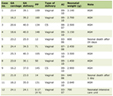 Click to view | Table 1. Estimated ACEs Prevalence Across Global Regions |
Psychiatric disorders caused by ACEs, such as complex posttraumatic stress disorder (CPTSD), major depressive disorder (MDD), anxiety disorders, bipolar disorder, and attention-deficit/hyperactivity disorder (ADHD), appear to have independently elevated lifetime risk for AFib [15]. All of these conditions share a common finding, which is reduced heart rate variability (HRV), specifically high-frequency heart rate variability (HF-HRV) reflecting vagal parasympathetic tone, robust pediatric biomarker of autonomic imbalance and future risk of arrhythmia [16]. ICNS, the nervous system of the heart, is highly plastic during childhood and vulnerable to stress-induced remodeling [17]. Pediatric therapy clinics serving large numbers of trauma-exposed children are well-positioned for early diagnosis and prevention.
| Literature Search and Source Selection | ▴Top |
This narrative review is based on structured PubMed/MEDLINE and Google Scholar search performed on July 15, 2026, using the following Boolean combinations: “adverse childhood experiences” AND “atrial fibrillation”; “childhood trauma” AND “heart rate variability”; “intrinsic cardiac nervous system” AND “stress”; and relevant terms. Manual reference lists screening was performed. No date restrictions were applied for fundamental mechanistic studies; for the epidemiological and clinical evidence, studies published since 2010 were preferentially chosen. Case reports and conference abstracts were excluded.
Studies were included if they explored ACEs or pediatric psychiatric disorders in relation to cardiovascular outcomes, HRV, and/or autonomic dysfunction; investigated ICNS anatomy/pathophysiology in the context of stress or arrhythmia; and evaluated autonomic or psychiatric interventions in pediatric patients. The quality assessment of the included literature was performed in a narrative way according to the type of study design. Wherever meta-analytical estimates were available, these were prioritized. There are limitations in this article, including lack of pediatric-specific longitudinal data exploring the link between HRV and long-term AFib outcomes.
This narrative review is appraised against the Scale for the Assessment of Narrative Review Articles (SANRA) criteria. Each of the SANRA criteria is documented in the supplementary material.
| ACEs in Children: Long-Term Risk of AFib | ▴Top |
Epidemiological evidence and dose-response relationship
The link between ACEs and later AFib is real, but it is modest and weaker than that for other cardiovascular outcomes. In the UK Biobank cohort, people with high ACE exposure had an approximately 18% higher AFib risk than those with none (hazard ratio (HR), 1.18; 95% confidence interval (CI), 1.05 to 1.33), and risk increased with each additional ACE category [1]. The lower confidence limit sits close to 1, and residual confounding by socioeconomic status, smoking, and depression cannot be ruled out. Other studies point in the same direction: childhood bereavement was associated with a 24% higher rate of AFib (incidence rate ratio (IRR), 1.24; 95% CI, 1.14 to 1.35) [18], and the Tromso Study examined psychological distress as a mediator [19]. Associations with ischemic heart disease and stroke are generally stronger and more consistent [1]. All of these data are observational and relies largely on retrospective recall of ACEs. Children with ACEs also show lower HRV well before any clinical heart disease, which makes HRV a promising early marker [20]; however, no pediatric cohort has yet been followed to AFib onset. The mechanism proposed below is therefore plausible, not proven.
Developmental programming of autonomic function
Repeated activation of HPA and sympatho-adrenomedullary axes from early-life stress results in prolonged increases in cortisol and catecholamines. These shorten the atrial refractory periods, facilitate the triggering of atrial activity, and promote fibrotic and oxidative remodeling [21, 22]. Changes in epigenetic marks, such as methylations of glucocorticoid receptors genes, may produce lasting shifts in autonomic balance toward sympathetic predominance and vagal deactivation [14, 23]. Importantly, adherence to a healthy lifestyle in adulthood was associated with a 47% lower AFib risk among individuals with high ACE exposure [1]. Whether this applies to adolescents is untested.
| ACEs-Associated Pediatric Psychiatric Disorders, HRV and Future AFib Risk | ▴Top |
Risk estimates presented in this section were calculated on the basis of the Swedish population-based cohort study by Mo et al (2025) [15] and its PTSD proxies, as data specifically about CPTSD-related cardiac outcomes are lacking. Among ACE-associated mental health conditions, CPTSD, coded in the World Health Organization’s International Classification of Diseases Volume 11 classification as 6B41 [24], should be highlighted in particular. Contrary to PTSD following a single traumatic event, CPTSD results from repeated or prolonged trauma, including developmental trauma, which describes children with high levels of ACEs. Besides the typical PTSD symptoms of re-experiencing, avoidance, and hyperarousal, CPTSD involves disturbances in self-organization (DSO). Pervasive emotion dysregulation, negative self-concept, and relationship disturbances in CPTSD patients occur due to executive functioning deficits (impaired working memory, low motivation, lack of cognitive flexibility, poor inhibitory control) [24, 25]. Executive functioning deficits are particularly significant clinically because they directly impede the engagement in autonomic retraining and require special attention through the use of educational therapy (EdTx) as an important non-pharmacological intervention (NPI) in the CPTSD treatment paradigm. Note that AFib risk estimates mentioned below were calculated using PTSD-diagnosed populations, the closest available epidemiological proxy, since data regarding longitudinal CPTSD-related cardiac health risks are not available yet.
There are common neurocardiological vulnerabilities among pediatric psychiatric disorders, namely, clinically meaningful reductions in HF-HRV, root mean square of successive differences (RMSSD), and standard deviation of normal-to-normal intervals (SDNN), depicting the imbalance that is characteristic of the neurocardiological vulnerability [15, 16]. The significant 2025 population-based study (n = 4,420) proved that childhood maltreatment results in lower levels of HRV in adulthood, mainly due to neglect and independently of lifestyle variables [20].
Childhood-onset CPTSD, proxied by PTSD cohort data (the closest available epidemiological equivalent), entails about 13% higher lifetime probability of AFib (HR, 1.13) [15]. DSO-induced hyperarousal and emotion dysregulation result in sympathetic overdrive and reduced vagal tone, causing sensitization of the developing ICNS to proarrhythmic firing [15, 26]. In a pediatric meta-analysis (38 studies, n = 3,488, age range, 4–19 years), increased ANS reactivity to stressors was associated with more severe PTSD/CPTSD symptoms [27].
MDD during childhood results in an increased risk of AFib by 25%, marked by decreased SDNN and RMSSD, diminished nocturnal HRV, raised levels of interleukin-6 (IL-6) and C-reactive protein (CRP), leading to the development of atrial fibrosis (which is an accumulation of collagen in the atria and affects the organized electrophysiological conduction system required for normal atrial rhythm) [21]. Childhood anxiety disorders are associated with an approximately 10% increase in AFib risk, with reduced HF-HRV and decreased baroreflex sensitivity. In 2025, an umbrella review showed decreased HRV in all mood disorders and PTSD/CPTSD to be suggestive to highly suggestive evidence, which is the strongest evidence for any psychiatric population group found to date [28].
Early-onset bipolar disorder increases AFib risk up to two-fold, with low HRV in all mood states and compromised ICNS maturation caused by neuroinflammatory mechanisms. ADHD is associated with a cardiovascular risk (odds ratio of about 1.8 to 2.0); although stimulants provide an effective treatment, they cause chronic decrease in HRV, requiring long-term cardiac monitoring [16]. Table 2 [1, 15, 16, 20, 24, 27–29] summarizes the AFib risk and HRV changes in all ACE-related and psychiatric disorders discussed in this section.
Click to view | Table 2. Risk of Future Atrial Fibrillation and Associated Heart Rate Variability (HRV) Changes in Children and Pediatric With Adverse Childhood Experiences and Psychiatric/Behavioral Disorders |
| The Developing ICNS: Anatomy, Function and Emotional Memory | ▴Top |
The ICNS comprises tens of thousands of neurons organized into interconnected ganglionated plexuses embedded within the epicardial fat pads of the heart [17]. The ganglionated plexuses consist of autonomic ganglia, nerve fibers, and support cells located near the pulmonary vein–atrial junctions and atrioventricular nodal region and come together to form control hubs for cardiac function [17]. Beyond being a simple relay station for neural traffic, the ICNS possesses sensory, integrative, and motor-like regulatory functions [30]. The ganglionated plexuses specifically contribute to the regulation of cardiac function by enabling beat-to-beat modulation of the heart rate, conduction, and atrial electrophysiological properties, while also supporting bidirectional communication with higher autonomic centers within the broader neurocardiac axis [17, 31]. Within the same framework, sympathetic and parasympathetic pathways converge into the ICNS ganglionated plexuses and undergo functional maturation and neuroplastic refinement during childhood and adolescence, as shown in Figure 1. It also contrasts healthy ICNS maturation with the disrupted developmental trajectory observed under chronic ACE-related stress. Importantly, this system is also influenced by higher brain centers involved in autonomic and affective regulation, allowing central neural states to modulate cardiac function indirectly through the neurocardiac axis.
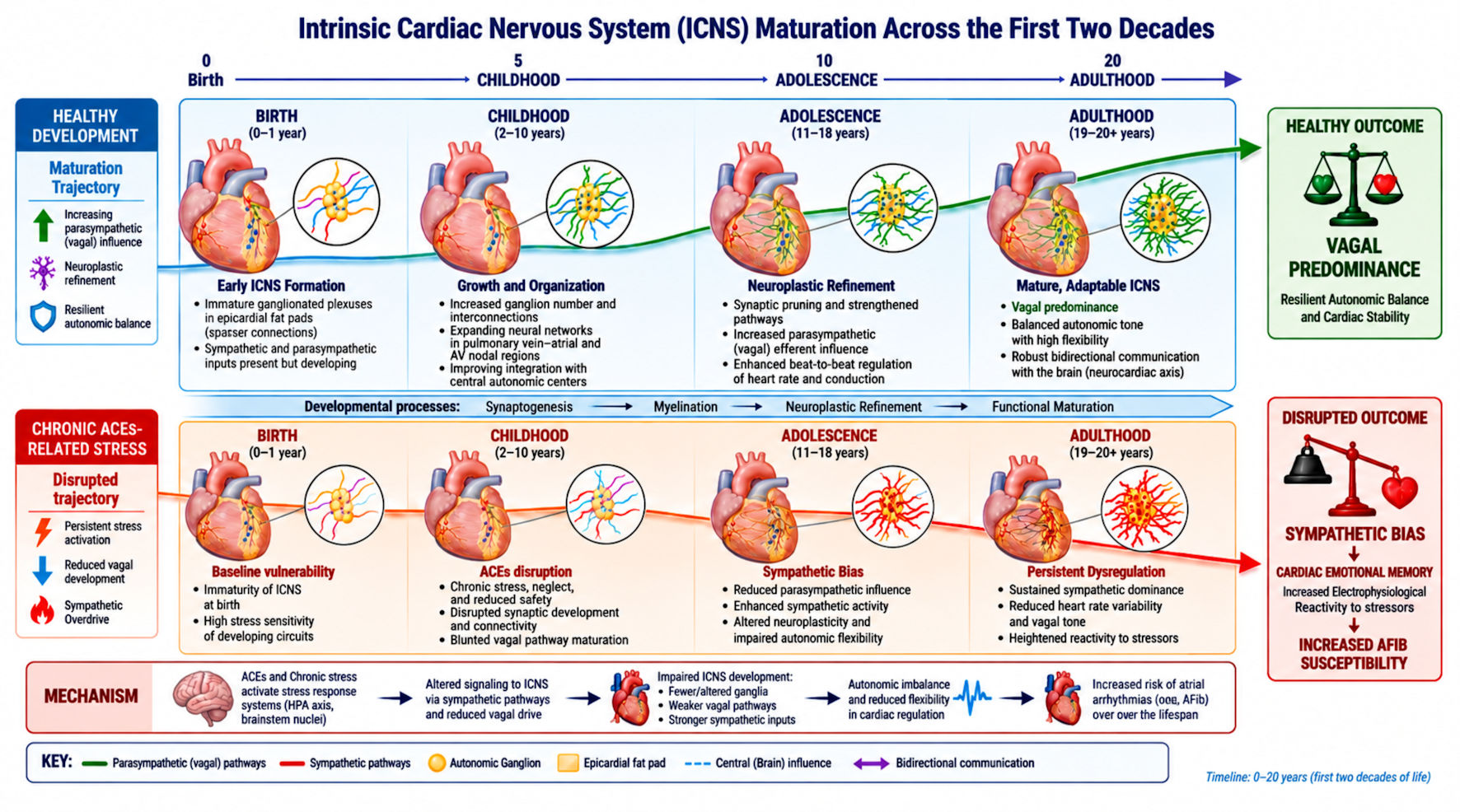 Click for large image | Figure 1. ICNS maturation across the first two decades of life. Upper panel (healthy development): Progressive maturation of the ICNS from immature ganglionated plexuses at birth through neuroplastic refinement in adolescence to mature vagal predominance and adaptable autonomic balance in adulthood. Lower panel (chronic ACEs-related stress): Disrupted ICNS maturation trajectory under persistent stress activation, resulting in sympathetic bias, impaired neuroplasticity, and persistent autonomic dysregulation. Bottom bar: Proposed mechanistic pathway from ACEs-related chronic stress through HPA and sympatho-adrenomedullary activation to impaired ICNS development, autonomic imbalance, and increased AFib susceptibility. “Cardiac emotional memory” denotes a conceptual framework proposed in this review for trauma-mediated ICNS sensitization (see section “The Developing ICNS: Anatomy, Function and Emotional Memory”). ACEs: adverse childhood experiences; AFib: atrial fibrillation; AV: atrioventricular; HPA: hypothalamic–pituitary–adrenal; ICNS: intrinsic cardiac nervous system. |
This intricate system is not fully mature at birth and undergoes progressive developmental refinement over the first two decades of life [17]. During this period, increasing parasympathetic efferent influence and the emergence of vagal predominance contribute to the functional maturation of the ICNS [31]. This prolonged developmental trajectory renders the ICNS sensitive to environmental programming. Studies show that early-life environmental factors such as chronic stress, neglect, and reduced perceived safety can influence the development of the ANS, with evidence showing that ACEs associated with long-term increases in sympathetic activity and reduced parasympathetic (vagal) tone, contributing to a sustained shift toward sympathetic dominance [32]. Reduced vagal activity can decrease the stabilizing parasympathetic influence on atrial electrophysiology, potentially increasing susceptibility to abnormal atrial electrical activity (ectopy and arrhythmias) [33]. By analogy to central sensitization to chronic pain, the trauma-mediated ICNS may retain a form of “cardiac emotional memory” (a conceptual framework proposed here by analogy to central sensitization), resulting in heightened electrophysiological reactivity to subsequent stressors and potentially lowering the susceptibility threshold for AFib later in life.
| Neurocardiological Mechanisms: From Traumatic Stress to Atrial Vulnerability | ▴Top |
Sympathetic hyperactivity and ICNS hypersensitivity
Trauma-programmed HPA and sympatho-adrenomedullary hyperactivity produce sustained norepinephrine and cortisol elevations [21, 34, 35]. This shortens the atrial effective refractory period, which increases cardiac repolarization heterogeneity and facilitates triggered ectopy through afterdepolarizations in pulmonary vein cardiomyocytes [36]. These are mechanisms implicated in the initiation of AFib. Repeated pathological autonomic stimulation can induce structural and functional remodeling of the ICNS, leading to enhanced neuronal responsiveness and autonomic imbalance, especially before parasympathetic counterbalance has been established [37]. Epinephrine exerts its effects on the cardiac system via the β1-adrenergic receptors on sinoatrial (SA) node and pacemaker cells [38]. Following ligand binding to β1-adrenergic receptors, adenylyl cyclase is activated, increasing intracellular cyclic adenosine monophosphate (cAMP) levels, which in turn activates protein kinase A (PKA) [39]. PKA then phosphorylates voltage-gated ion channels, modulating cardiac excitability and signal propagation [38, 39]. While adaptive acutely, chronic activation of β1-adrenergic receptor, as in persistently traumatized children, sustains a sympathetic tone that progressively sensitizes the ICNS toward proarrhythmic neuronal firing patterns [38, 39].
Reduced HRV as a measurable early link
Measuring HRV is a noninvasive method used to assess ANS activity and infer sympathovagal balance. HF-HRV reflects enhanced vagal (parasympathetic) activity, which is generally associated with improved cardiac autonomic regulation and greater electrophysiological stability. Chronically low HF-HRV across childhood marks vagal withdrawal, signifying the absence of that protective break [20, 28]. Reduced HRV has been consistently observed across multiple ACE-associated pediatric psychiatric conditions, suggesting a shared pattern of autonomic dysregulation [40]. During periods of ICNS developmental plasticity, such autonomic imbalance may contribute to long-term neurocardiac remodeling with potential proarrhythmic consequences [16]. HRV may function as both a biomarker of AFib risk and a potential intermediary of disease susceptibility and may represent a modifiable index of autonomic function in therapeutic strategies.
Bidirectional heart–brain interactions
Heart–brain interactions are bidirectional. The brain modulates cardiac output via sympathetic and parasympathetic pathways. The heart provides continuous afferent feedback through baroreceptors, chemoreceptors, and vagal sensory fibers to brainstem nuclei involved in blood pressure regulation and higher-order circuits governing emotion and arousal [41–44]. In trauma-exposed children, a sensitized ICNS generates aberrant afferent signals that reinforce central threat-appraisal hyperactivation, sustaining sympathetic overdrive. In adolescents with CPTSD who develop AFib, arrhythmia-generated afferent signals amplify central hyperarousal, perpetuating both arrhythmic burden and psychiatric morbidity [15]. This system underscores why effective prevention requires addressing neural and psychological drivers upstream, not cardiac management alone (Fig. 2).
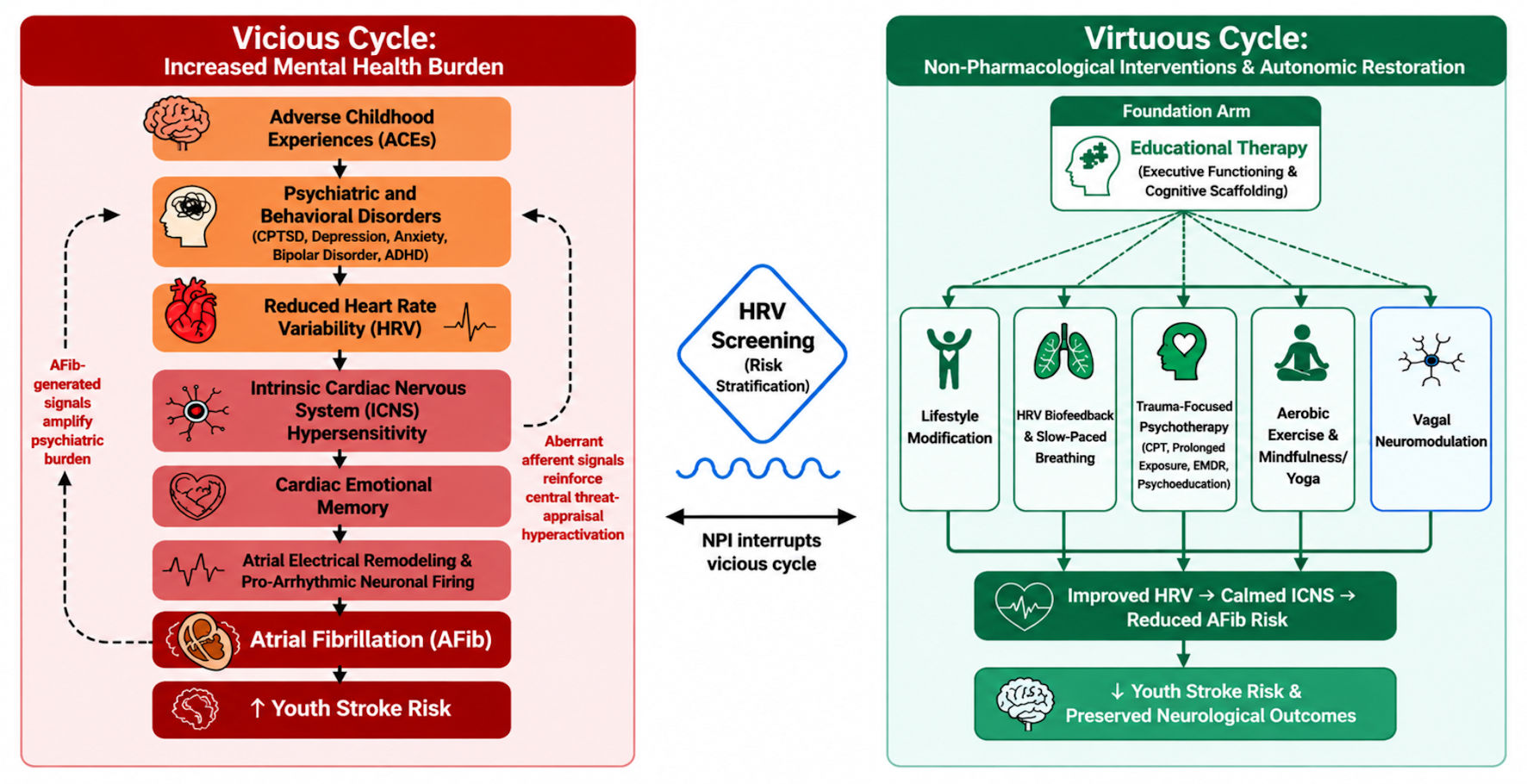 Click for large image | Figure 2. Proposed unified neurocardiological model: from childhood trauma to atrial fibrillation and intervention pathways. Left panel (vicious cycle): Pathophysiological progression from ACEs through psychiatric and behavioral disorders, reduced HRV, ICNS neuronal hypersensitivity, cardiac emotional memory, and atrial electrical remodeling to AFib and increased youth stroke risk, with two self-reinforcing feedback loops. Loop 1, in which aberrant ICNS afferent signals reinforce central threat-appraisal hyperactivation; and Loop 2, in which AFib-generated afferent signals amplify central hyperarousal and psychiatric burden. Center: HRV screening (risk stratification) diamond represents the clinical decision point at which identification of reduced HRV in trauma-exposed children triggers entry into the non-pharmacological intervention framework. Right panel (virtuous cycle): Two-arm non-pharmacological intervention framework showing the educational therapy foundation arm enabling five parallel psychosocial intervention categories, converging on improved HRV, calmed ICNS, reduced AFib risk, and reduced youth stroke risk with preserved neurological outcomes. ACEs: adverse childhood experiences; ADHD: attention-deficit/hyperactivity disorder; AFib: atrial fibrillation; CPT: cognitive processing therapy; CPTSD: complex posttraumatic stress disorder; EMDR: eye movement desensitization and reprocessing; EdTx: educational therapy; HRV: heart rate variability; ICNS: intrinsic cardiac nervous system; niVNS: noninvasive vagus nerve stimulation. |
| Interventions in Pediatric Therapy Settings: Opportunities for Prevention | ▴Top |
Rationale: developmental plasticity as a therapeutic asset
Intervention strategies targeting pediatric NPIs for ACE-related psychiatric conditions represent a plausible opportunity to reduce AFib burden and hence youth stroke risk in this population. The NPI strategy combines two complementary arms. Firstly, the psychosocial interventions (psychotherapy, psychoeducation, behavioral therapy and mind–body approaches) addressing neurobiological and psychological sequelae of developmental trauma. Secondly, the EdTx that targets executive functioning deficits, a central DSO in CPTSD, with the goal to overcome the neurocognitive barrier to engagement in all subsequent autonomic retraining. The same plasticity that predisposes pediatric ICNS to sensitization to trauma leaves it highly amenable to restoration. Childhood and adolescent years represent the most neurobiologically malleable period in brain–heart interaction. It is the window of opportunity for autonomic rebalancing to prevent decades of cumulative cardiac risk [1, 45].
Psychotherapy: addressing the traumatic root
Trauma-focused psychotherapies are the foundational first-line treatment interventions for children with CPTSD, MDD, and anxiety disorders. Pediatric-adapted cognitive processing therapy (CPT) and prolonged exposure (PE) reliably deliver large improvements in CPTSD severity (Cohen’s d > 1.0). Specifically, trials focusing on the diagnosis of CPTSD defined by the International Classification of Diseases, Volume 11, remain scarce [46]. Successful resolution of traumatic memories decreases chronic HPA axis activation and sympathetic overactivity, thereby decreasing inflammatory mediator concentrations and establishing physiological conditions conducive to autonomic retraining [45, 46].
Eye movement desensitization and reprocessing (EMDR), which utilizes bilateral sensory stimulation during trauma memory processing, is another evidence-based modality for CPTSD in pediatric patients. Recent research indicates taht EMDR not only decreases the symptoms but also leads to objective improvements in HRV, therefore it is particularly pertinent to the concept of autonomic retraining [47].
Behavioral therapy: direct autonomic retraining
HRV biofeedback, which involves teaching children how to enhance cardiac oscillations via slow-paced breathing (approximately six breaths/min) through game-like procedures, has the strongest evidence base for autonomic retraining in trauma-exposed children [48]. Such training leads to marked reductions in anxiety and CPTSD symptoms (Cohen’s d range, 0.8–1.5) along with significant RMSSD and HF power improvement via gradual strengthening of vagal reflex arcs and calming of sensitized ICNS ganglionated plexuses [47]. A 2025 meta-analysis of remote HRV biofeedback (18 studies; n = 1,352) verified medium effect sizes for both depression (Hedges’ g = 0.41) and HRV improvement (g = 0.44) [49].
EdTx for executive functioning: NPI entry point for ADHD, bipolar disorder, and CPTSD
The EdTx is provided by clinicians via structured educational techniques that enhance cognitive understanding and self-regulation. Furthermore, it addresses academic skills deficits [50, 51]. In the case of CPTSD, the prominent DSO following chronic developmental trauma in children are executive functioning impairments (working memory, cognitive flexibility, and inhibitory control). EdTx focused on such DSO represents a specific NPI, reducing neurocognitive barriers to autonomic self-regulation, indirectly promoting HRV increase, and reducing the cognitive-stress burden that drives sympathetic overdrive.
For children with CPTSD-associated psychiatric disorders, EdTx is an absolutely critical starting point for the therapeutic process before skill-based autonomic retraining can be initiated. Psychoeducation for families and children about the ANS, sleep hygiene, heart disease as a consequence of chronic stress, and the rationale behind HRV as a result of lifestyle modifications creates the motivational foundation for adherence to all future interventions [52]. EdTx counteracts the adverse effects of stimulant medications on HRV in ADHD and focuses on mood cycle awareness and management in order to decrease the frequency of events that cause the greatest impact on HRV and ICNS dysfunction in MDD and bipolar disorder [15, 29]. Scalability of group psychoeducation makes this category very accessible.
Mind–body and somatic approaches
School-based mindfulness, yoga and pranayama breathing for pediatric psychiatric disorders following ACEs are beneficial for increased HF-HRV and decreased low-to-high frequency ratio (LF/HF) ratio, as well as emotion regulation skills in children [53]. Respiratory approach leads to direct augmentation of the vagal nervous system similar to the breathing exercises. The advantage of this category lies in its easy accessibility in group format, such as schools, community centers, outpatient groups and normalization of body-based interventions for resistant children [54, 55].
Exercise, lifestyle modification, and emerging vagal neuromodulation
Moderate aerobic exercise increases resting RMSSD levels, decreases the depression and anxiety levels, and attenuates inflammation markers contributing to atria remodeling [56]. Lifestyle modification, which involves appropriate sleep hygiene, diet quality, limited screen time and alcohol abstinence, has been reported as the category of interventions with highest risk attenuation against AFib in high-ACE pediatric population associated with up to 47% lower AFib risk in an observational adult cohort [1]. Noninvasive vagal neuromodulation using auricular electrodes activates vagal afferents and has shown promise as an effective treatment for pediatric anxiety and mood disorders [54, 55, 57]. The anti-arrhythmic efficacy of noninvasive vagus nerve stimulation (niVNS) established in adults makes it an interesting option to be evaluated for children experiencing trauma, but further evidence is still pending. Table 3 [1, 45–53, 56, 57] gives a structured summary of the therapeutic categories along with the effects on HRV, psychiatric symptoms, and risk attenuation from AFib and its clinical practicability in pediatrics. Figure 2 shows the proposed neurocardiological model combining the vicious pathophysiologic cycle with the intervention approach.
Click to view | Table 3. Effects of Interventions on Heart Rate Variability, Psychiatric Symptoms, and Potential Long-Term Atrial Fibrillation Risk in Trauma-Exposed Children and Youth |
| Clinical Implications and Future Directions | ▴Top |
HRV screening in trauma-exposed pediatric populations
A brief recording of resting HRV or the use of validated wearable technology devices, with normative pediatric data available, gives clinicians a practical noninvasive tool to stratify neurocardiological risk [16]. The regular assessment of HRV in children with PTSD, CPTSD, MDD, anxiety disorders, bipolar disorder, ADHD, and/or high ACEs can be used to detect the most severely impacted cases. Long-term monitoring of HRV changes is an indicator of therapeutic success, independent of biofeedback, complementary to the symptom scales of psychiatric conditions.
Integrated pediatric care models
Interdisciplinary care models that integrate cardiopathy awareness into mental health care facilities and psychiatric literacy into cardiology are called for by the evidence presented above. Specific integration points include joint clinical protocols among pediatric therapy clinics, child psychiatry, and cardiology for children with high ACEs; standardized ACE and HRV screening following any new psychiatric diagnosis in children over 8 years old; and co-developed intervention programs involving all the therapeutic categories discussed in this article, deliverable without cardiology-specific infrastructure [45]. Allied health practitioners such as educational therapists and psychosocial interventionists (behavioral therapists, occupational therapists, psychotherapists, counselors and social workers) are a largely unutilized workforce for autonomic interventions delivery.
Research gaps and priorities
Given the modest ACE–AFib association and its weaker magnitude relative to ischemic heart disease, future work should test whether AFib-specific mechanisms (e.g., ICNS remodeling) exist beyond shared cardiovascular risk pathways, using designs that address confounding (e.g., sibling comparisons, Mendelian randomization, mediation analysis). Research gaps prevent application in clinical practice for pediatric guidelines. First and foremost, prospective longitudinal studies are needed to investigate HRV trajectories beginning from ACE exposure through to development of AFib in early adulthood, and randomized controlled trials on the effect of HRV biofeedback among high-ACE pediatric subjects with cardiac outcome monitoring throughout many decades. It is necessary to conduct mechanistic studies on ICNS neuronal activity in pediatric cardiac tissue to see whether there is a distinctive mechanism of developmental remodeling from the one in adults. Comparative trials on therapeutic categories’ effectiveness on each other for various diagnostic profiles would provide information on clinical prioritization. There is a need for sex-specific research, given that more ACEs occur in females while more AFib incidences occur in males, which indicates different neurocardiological vulnerability.
Moreover, most evidence comes from high-income groups, and there is a need for cultural and socio-economic generalizability [12]. Importantly, there are currently no population-based studies linking regional ACEs prevalence to the incidence of AFib among children and rates of stroke. Based on the model proposed above, one may formulate a testable hypothesis that regions with more prevalent ACEs, if the mechanism works in this way, would show a higher incidence of autonomic dysfunction in children, as well as higher rates of AFib and cryptogenic stroke among young people. There is a need for prospective cross-regional cohort studies that would compare ACE surveillance data with pediatric cardiac and neurological registry. Such data would allow building an evidence base for the burden of global stroke prevention, which, within the neurocardiological framework proposed here, is an urgent task, but until now, this burden has not been quantified and probably underestimated [7–9]. Comparative studies in LMIC [8, 10–12] and health economics analyses [13] only prove the urgency of the matter.
Stroke prevention as the neurological imperative
AFib is the number one cardiac cause of ischemic stroke and is associated with more extensive infarcts, a higher level of neurological impairment, and a higher 30-day mortality [4, 5]. In cases when AFib emerges during adolescence or early adulthood, as seen more and more frequently in trauma-exposed individuals, the overall lifetime stroke risk increases. The NPIs approaches discussed in this article, specifically the psychosocial and the EdTx intervention for CPTSD focusing on executive functioning, may be considered candidate stroke-prevention strategies, pending evidence of their ability to reduce AFib incidence along the pathway from childhood or adolescent trauma to youth stroke. Each successful decrease in the incidence of AFib leads to a decreased chance of an ischemic stroke in the young adulthood of such patients. The communication of this idea of stroke prevention to their families will help in making their engagement in neurocardiological prevention efforts even stronger.
| Conclusions | ▴Top |
This study introduces a comprehensive developmental neurocardiological model where ACEs and psychiatric conditions that occur during childhood (CPTSD, MDD, anxiety, bipolar disorder, and ADHD) may contribute to AFib development via similar physiological mechanisms focused on ICNS and HRV. Chronic trauma during developmentally sensitive periods biases the maturing ANS and ICNS toward sympathetic dominance, sensitizes ganglionated plexuses toward proarrhythmic firing, and may advance the arrhythmogenic timeline. The consistently reduced HRV across all ACE-associated psychiatric conditions in pediatric cohorts is both the measurable footprint and a potentially modifiable mediator of this vulnerability. Though the term “cardiac emotional memory” introduced in this study represents an analogy to central sensitization in the cardiovascular system, it serves as an essential language for interdisciplinary collaboration of trauma therapists and electrophysiologists.
The potential for prevention is significant. Positive behavioral habits among adolescents can reduce the risk of AFib due to ACEs by almost 50%, and a systematized classification system of treatment categories allows the pediatric therapists and clinicians to develop a sensitive diagnosis-driven route toward autonomic recovery. Through the incorporation of HRV testing and category-specific treatments into the scope of practice of pediatric mental health care providers, therapists and clinicians will be able to capitalize on the biological plasticity of youth to disrupt the trajectory of development from trauma to arrhythmia through healing the mind and treating the heart. The ACE–AFib association is modest and weaker than for ischemic heart disease. This framework should guide research and risk-informed screening, not yet clinical guidelines.
Acknowledgments
None to declare.
Financial Disclosure
No funding has been obtained.
Conflict of Interest
The authors declare no conflict of interest
Author Contributions
Meng Kiat Tan contributed to conceptualization, study design, methodology, investigation, project administration, data management, formal analysis, data interpretation, supervision, writing of the original draft (all sections except sections “The Developing ICNS: Anatomy, Function and Emotional Memory” and “Neurocardiological Mechanisms: From Traumatic Stress to Atrial Vulnerability”), review and editing, final approval of the version to be published, and agreed to be accountable for all aspects of the work. Wen Xi Tan contributed to conceptualization, study design, methodology, investigation, data interpretation, writing of the original draft (sections “The Developing ICNS: Anatomy, Function and Emotional Memory” and “Neurocardiological Mechanisms: From Traumatic Stress to Atrial Vulnerability”), review and editing, final approval of the version to be published, and agreed to be accountable for all aspects of the work.
Data Availability
Data supporting the findings of this study are available within the article.
AI Use Declaration
The figures presented in this article were generated using GPai based on conceptual specifications and scientific content and iterative design directions provided by the authors. All AI-generated figures were reviewed, verified, and edited by the authors across multiple revision cycles. All scientific content, conceptual frameworks, mechanistic arguments, and intellectual contributions are solely the authors’ own. The authors take full responsibility for the accuracy, originality, and integrity of the published article.
Abbreviations
ACEs: adverse childhood experiences; ADHD: attention-deficit/hyperactivity disorder; AFib: atrial fibrillation; ANS: autonomic nervous system; cAMP: cyclic adenosine monophosphate; CPT: cognitive processing therapy; CPTSD: complex posttraumatic stress disorder; CRP: C-reactive protein; DSO: disturbances in self-organization; EdTx: educational therapy; EMDR: eye movement desensitization and reprocessing; HF-HRV: high-frequency heart rate variability; HPA: hypothalamic–pituitary–adrenal; HRV: heart rate variability; ICNS: intrinsic cardiac nervous system; IL-6: interleukin-6; LMICs: low- and middle-income countries; MDD: major depressive disorder; NPI: non-pharmacological intervention; PE: prolonged exposure; PKA: protein kinase A; RMSSD: root mean square of successive differences; SANRA: scale for the assessment of narrative review articles; SDNN: standard deviation of normal-to-normal intervals
| References | ▴Top |
- Qiao Y, Zhu D, Zhao M, Magnussen CG, Xi B. Adverse childhood experience, adopting a healthy lifestyle in adulthood, and risk of cardiovascular diseases. J Affect Disord. 2024;362:450-458.
doi pubmed - Staerk L, Sherer JA, Ko D, Benjamin EJ, Helm RH. Atrial fibrillation: epidemiology, pathophysiology, and clinical outcomes. Circ Res. 2017;120(9):1501-1517.
doi pubmed - Zhang X, Chen Y, Hu W, Lu S, Yu H, Sun Y. Global burden of atrial fibrillation/atrial flutter and its attributable risk factors in adolescents and young adults, 1990-2021: insights from the global burden of disease study. Ann Med. 2025;57(1):2543524.
doi pubmed - Wolf PA, Abbott RD, Kannel WB. Atrial fibrillation as an independent risk factor for stroke: the Framingham Study. Stroke. 1991;22(8):983-988.
doi pubmed - Marini C, De Santis F, Sacco S, Russo T, Olivieri L, Totaro R, Carolei A. Contribution of atrial fibrillation to incidence and outcome of ischemic stroke: results from a population-based study. Stroke. 2005;36(6):1115-1119.
doi pubmed - Sun J, Dong J, Liang L, Xue Z, Ding J. Global burden, temporal trends and geographic disparities of younger-onset atrial fibrillation in adults aged 30-45 years, 1990-2021: a population-based study. Front Cardiovasc Med. 2025;12:1677005.
doi pubmed - Madigan S, Deneault AA, Racine N, Park J, Thiemann R, Zhu J, Dimitropoulos G, et al. Adverse childhood experiences: a meta-analysis of prevalence and moderators among half a million adults in 206 studies. World Psychiatry. 2023;22(3):463-471.
doi pubmed - Amene EW, Annor FB, Gilbert LK, McOwen J, Augusto A, Manuel P, N'Gouanma Nobah MTV, et al. Prevalence of adverse childhood experiences in sub-Saharan Africa: a multicountry analysis of the violence against children and youth surveys (VACS). Child Abuse Negl. 2024;150:106353.
doi pubmed - Hughes K, Bellis MA, Hardcastle KA, Sethi D, Butchart A, Mikton C, Jones L, et al. The effect of multiple adverse childhood experiences on health: a systematic review and meta-analysis. Lancet Public Health. 2017;2(8):e356-e366.
doi pubmed - Mwashala W, Saikia U, Chamberlain D. Instruments to identify risk factors associated with adverse childhood experiences for vulnerable children in primary care in low- and middle-income countries: A systematic review and narrative synthesis. PLOS Glob Public Health. 2022;2(10):e0000967.
doi pubmed - Alcaraz M, Pierce H, Eggum ND, Nuno-Gutierrez BL, Ghimire D. A cross-cultural examination of adverse childhood experiences in low-and middle-income countries and their relation with adolescent educational aspirations. Child Abuse Negl. 2024;152:106756.
doi pubmed - Solberg MA, Peters RM. Adverse childhood experiences in non-westernized nations: implications for immigrant and refugee health. J Immigr Minor Health. 2020;22(1):145-155.
doi pubmed - Hughes K, Ford K, Bellis MA, Glendinning F, Harrison E, Passmore J. Health and financial costs of adverse childhood experiences in 28 European countries: a systematic review and meta-analysis. Lancet Public Health. 2021;6(11):e848-e857.
doi pubmed - Anda RF, Felitti VJ, Bremner JD, Walker JD, Whitfield C, Perry BD, Dube SR, et al. The enduring effects of abuse and related adverse experiences in childhood. A convergence of evidence from neurobiology and epidemiology. Eur Arch Psychiatry Clin Neurosci. 2006;256(3):174-186.
doi pubmed - Mo X, Janszky I, Wang H, Moller J, Liang Y, Laszlo KD. Psychiatric disorders and the risk of atrial fibrillation: a Swedish population-based cohort study. Eur J Prev Cardiol. 2025.
doi pubmed - Bellato A, Wiersema JR, Groom MJ. Autonomic nervous system functioning in ADHD. In Clinical handbook of ADHD assessment and treatment across the lifespan. Cham: Springer International Publishing. 2023. p. 37-75.
doi - Armour JA. Cardiac neuronal hierarchy in health and disease. Am J Physiol Regul Integr Comp Physiol. 2004;287(2):R262-271.
doi pubmed - Chen H, Janszky I, Rostila M, Wei D, Yang F, Li J, Laszlo KD. Bereavement in childhood and young adulthood and the risk of atrial fibrillation: a population-based cohort study from Denmark and Sweden. BMC Med. 2023;21(1):8.
doi pubmed - Caglayan S, Gronli OK, Hoye A. Life course adversity and risk of incident atrial fibrillation: causal mediation analysis of psychological distress in the population-based Tromso Study. BMJ Public Health. 2026;4(1):e003463.
doi pubmed - Sturmer M, Klinger-Konig J, Vollmer M, Weihs A, Frenzel S, Dorr M, Kaderali L, et al. Long-term alteration of heart rate variability following childhood maltreatment: Results of a general population study. Eur Psychiatry. 2025;68(1):e86.
doi pubmed - Berk M, Williams LJ, Jacka FN, O'Neil A, Pasco JA, Moylan S, Allen NB, et al. So depression is an inflammatory disease, but where does the inflammation come from? BMC Med. 2013;11:200.
doi pubmed - Conrad CD (ed.). The handbook of stress. Oxford, UK: Wiley-Blackwell. 2011.
doi - Burford NG, Webster NA, Cruz-Topete D. Hypothalamic-pituitary-adrenal axis modulation of glucocorticoids in the cardiovascular system. Int J Mol Sci. 2017;18(10):2150.
doi pubmed - WHO, World Health Organization. International Classification of Diseases, 11th Revision (ICD-11). 2019. https://icd.who.int.
- Cloitre M. ICD-11 complex post-traumatic stress disorder: simplifying diagnosis in trauma populations. Br J Psychiatry. 2020;216(3):129-131.
doi pubmed - Vaccarino V, Goldberg J, Rooks C, Shah AJ, Veledar E, Faber TL, Votaw JR, et al. Post-traumatic stress disorder and incidence of coronary heart disease: a twin study. J Am Coll Cardiol. 2013;62(11):970-978.
doi pubmed - Siciliano RE, Anderson AS, Compas BE. Autonomic nervous system correlates of posttraumatic stress symptoms in youth: Meta-analysis and qualitative review. Clin Psychol Rev. 2022;92:102125.
doi pubmed - Wang Z, Zou Y, Liu J, Peng W, Li M, Zou Z. Heart rate variability in mental disorders: an umbrella review of meta-analyses. Transl Psychiatry. 2025;15(1):104.
doi pubmed - Faurholt-Jepsen M, Kessing LV, Munkholm K. Heart rate variability in bipolar disorder: A systematic review and meta-analysis. Neurosci Biobehav Rev. 2017;73:68-80.
doi pubmed - Aftab FM. Intrinsic cardiac neurons as the consulate general of the brain in the heart: A review. Brain & Heart. 2024;2(2):2901.
doi - Giannino G, Braia V, Griffith Brookles C, Giacobbe F, D'Ascenzo F, Angelini F, Saglietto A, et al. The intrinsic cardiac nervous system: from pathophysiology to therapeutic implications. Biology (Basel). 2024;13(2):105.
doi pubmed - Herzog JI, Schmahl C. Adverse childhood experiences and the consequences on neurobiological, psychosocial, and somatic conditions across the lifespan. Front Psychiatry. 2018;9:420.
doi pubmed - Scridon A. Autonomic imbalance and atrial ectopic activity-a pathophysiological and clinical view. Front Physiol. 2022;13:1058427.
doi pubmed - Chu B, Marwaha K, Sanvictores T, Awosika AO, Ayers D. Physiology, Stress Reaction. In: StatPearls. Treasure Island (FL) ineligible companies. 2024.
pubmed - Hamza DH. Adrenal gland dysfunction and its link to endocrine disorders. Academia Open. 2025;10(1).
doi - Malik V, Elliott AD, Thomas G, Pitman B, Fitzgerald JL, Young GD, Arnolda LF, et al. Pulmonary vein isolation does not alter cardiovascular afferent autonomic reflexes in atrial fibrillation. J Arrhythm. 2025;41(3):e70119.
doi pubmed - Rajendran PS, Nakamura K, Ajijola OA, Vaseghi M, Armour JA, Ardell JL, Shivkumar K. Myocardial infarction induces structural and functional remodelling of the intrinsic cardiac nervous system. J Physiol. 2016;594(2):321-341.
doi pubmed - Su M, Paknejad N, Zhu L, Wang J, Do HN, Miao Y, Liu W, et al. Structures of beta(1)-adrenergic receptor in complex with Gs and ligands of different efficacies. Nat Commun. 2022;13(1):4095.
doi pubmed - Zaccolo M, Kovanich D. Nanodomain cAMP signaling in cardiac pathophysiology: potential for developing targeted therapeutic interventions. Physiol Rev. 2025;105(2):541-591.
doi pubmed - Ramesh A, Nayak T, Beestrum M, Quer G, Pandit JA. Heart rate variability in psychiatric disorders: a systematic review. Neuropsychiatr Dis Treat. 2023;19:2217-2239.
doi pubmed - Raymond D, Gourshettiwar P, Kumar P. Knowledge on physiology and functions of autonomic nervous system. AIP Conference Proceedings. 2024;3188:110002.
doi - Goel M, Mittal A, Jain VR, Bharadwaj A, Modi S, Ahuja G, Jain A, et al. Integrative Functions of the Hypothalamus: Linking Cognition, Emotion and Physiology for Well-being and Adaptability. Ann Neurosci. 2025;32(2):128-142.
doi pubmed - Prescott SL, Liberles SD. Internal senses of the vagus nerve. Neuron. 2022;110(4):579-599.
doi pubmed - Sevoz-Couche C, Laborde S. Heart rate variability and slow-paced breathing:when coherence meets resonance. Neurosci Biobehav Rev. 2022;135:104576.
doi pubmed - Oral R, Ramirez M, Coohey C, Nakada S, Walz A, Kuntz A, Benoit J, et al. Adverse childhood experiences and trauma informed care: the future of health care. Pediatr Res. 2016;79(1-2):227-233.
doi pubmed - Bourassa KJ, Hendrickson RC, Reger GM, Norr AM. Posttraumatic stress disorder treatment effects on cardiovascular physiology: a systematic review and agenda for future research. J Trauma Stress. 2021;34(2):384-393.
doi pubmed - Carretero KP, Delgadillo A, Jaramillo MC, Mainthow N, Givaudan M, et al. Multisite randomized controlled trial on the provision of the EMDR integrative group treatment protocol for ongoing traumatic stress to polytraumatized children and adolescents with PTSD or CPTSD diagnosis. Acad J Ped Neonatol. 2025;15(2):555963.
doi - Lehrer PM, Gevirtz R. Heart rate variability biofeedback: how and why does it work? Front Psychol. 2014;5:756.
doi pubmed - Vann-Adibe S, Tsui HKH, Zhou HQ, Ciren Z, Li C, Cha SKW. Efficacy and methodology of remote heart rate variability biofeedback interventions for mental health: a systematic review and meta-analysis. Appl Psychophysiol Biofeedback. 2026;51(3):441-452.
doi pubmed - Saday Duman N, Oner O, Soykan Aysev A. The effect of educational therapy on self-esteem and problem behaviors in children with specific learning disability. Anadolu Psikiyatri Derg. 2017;18(1):85-92.
doi - Chia KH. A short review of psychoeducational therapy (PsyEdTx). The Asian Educational Therapist. 2024;1(1):1-8.
doi - Kooij JJS, Bijlenga D, Salerno L, Jaeschke R, Bitter I, Balazs J, Thome J, et al. Updated European Consensus Statement on diagnosis and treatment of adult ADHD. Eur Psychiatry. 2019;56:14-34.
doi pubmed - Zenner C, Herrnleben-Kurz S, Walach H. Mindfulness-based interventions in schools-a systematic review and meta-analysis. Front Psychol. 2014;5:603.
doi pubmed - Clancy JA, Mary DA, Witte KK, Greenwood JP, Deuchars SA, Deuchars J. Non-invasive vagus nerve stimulation in healthy humans reduces sympathetic nerve activity. Brain Stimul. 2014;7(6):871-877.
doi pubmed - Seppala EM, Nitschke JB, Tudorascu DL, Hayes A, Goldstein MR, Nguyen DT, Perlman D, et al. Breathing-based meditation decreases posttraumatic stress disorder symptoms in U.S. military veterans: a randomized controlled longitudinal study. J Trauma Stress. 2014;27(4):397-405.
doi pubmed - Cornelissen VA, Smart NA. Exercise training for blood pressure: a systematic review and meta-analysis. J Am Heart Assoc. 2013;2(1):e004473.
doi pubmed - Stavrakis S, Stoner JA, Humphrey MB, Morris L, Filiberti A, Reynolds JC, Elkholey K, et al. TREAT AF (Transcutaneous electrical vagus nerve stimulation to suppress atrial fibrillation): a randomized clinical trial. JACC Clin Electrophysiol. 2020;6(3):282-291.
doi pubmed
This article is distributed under the terms of the Creative Commons Attribution 4.0 International License (CC BY 4.0), which permits unrestricted use, distribution, and reproduction in any medium, including commercial use, provided the original work is properly cited.
Journal of Neurology Research is published by Elmer Press Inc.