| Journal of Neurology Research, ISSN 1923-2845 print, 1923-2853 online, Open Access |
| Article copyright, the authors; Journal compilation copyright, J Neurol Res and Elmer Press Inc |
| Journal website https://jnr.elmerpub.com |
Review
Volume 16, Number 3, September 2026, pages 141-149

Effects of Physical Exercise on Fall Risk in Patients With Parkinson’s Disease and Other Forms of Parkinsonism: An Overview of Systematic Reviews
Fnu Shrivathsaa, b, c, Safeera Khanb
aCommunity Health Center, Harohalli, Bangalore South 562116, India
bCalifornia Institute of Behavioral Neurosciences and Psychology (CIBNP), Fairfield, CA 94534, USA
cCorresponding Author: Fnu Shrivathsa, Community Health Center, Harohalli, Bangalore South, India
Manuscript submitted April 24, 2026, accepted July 21, 2026, published online August 5, 2026
Short title: Exercise and Fall Risk in PD and Parkinsonism
doi: https://doi.org/10.14740/jnr1118
| Abstract | ▴Top |
Falls are among the most important causes of preventable morbidity in older adults worldwide. The objective of this review is to evaluate whether exercise-based interventions, compared with non-exercise or other physical activity interventions, reduce fall risk in community-dwelling patients with Parkinson’s disease (PD). A systematic search of PubMed/MEDLINE, Europe PMC, and Directory of Open Access Journals identified relevant articles published from 2020 to October 3, 2025. We included free full-text systematic reviews that examined more than one type of exercise modality, assessed predefined risk factors for falls, and included community-dwelling participants. Ten systematic reviews met the inclusion criteria. Physical exercise significantly improved motor function, gait, balance, and postural stability in PD, with robust statistical evidence supporting its effectiveness. Meta-analyses involving more than 7,000 patients showed that exercise reduced Unified Parkinson’s Disease Rating Scale part III motor scores, with aerobic training providing the greatest benefit. Combined aerobic and resistance training yielded synergistic effects on functional mobility (standardized mean difference = 0.74, 95% confidence interval: 0.49–1.00). Tai chi improved balance scores (mean difference = 3.56; P < 0.00001), while dance markedly enhanced gait velocity (standardized mean difference = 2.11; 95% confidence interval: 1.07–3.15). Overall, the evidence supports continuous, moderate-to-high intensity exercise—tailored to patients’ needs and tolerance—as a safe, effective strategy to improve motor outcomes and reduce fall risk in PD.
Keywords: Parkinson’s disease; Falls; Exercise; Physical therapy; Gait disorders; Balance; Systematic review
| Introduction | ▴Top |
Gait disorders are a broad group of conditions that are commonly complicated by falls and their sequelae. These disorders include neurological conditions such as stroke, multiple sclerosis, Parkinson’s disease (PD), other movement disorders, and peripheral neuropathies, as well as non-neurological conditions such as fractures, limb deformities, chronic joint pain, obesity, and adverse effects of medications [1]. Stroke is the most common neurological cause of gait disturbances, accounting for approximately 30–40% of neurological gait abnormalities, followed by PD (15–20%) and peripheral neuropathy (10–15%) [2]. Neurological disorders that cause gait abnormalities are independent predictors of falls in older adults and increase fall risk by about 49% compared with those without these disorders; among neurological gait subtypes, unsteady gait increases fall risk by about 52%, and neuropathic gait nearly doubles the risk [3].
In 2023, approximately 41,400 adults aged 65 years and older in the United States died from preventable falls, and about 3.5 million were treated in emergency departments for fall-related trauma. More than three out of 10 adults aged 65 years and older fall each year, and approximately 50% of these falls recur [4]. Additional factors that increase the likelihood of falls include severity of the gait disorder, previous falls, muscle weakness, etc. Comorbidities such as arthritis, diabetes, lower-limb disability, and other neurological illnesses further increase fall risk in those with unsteady gait [5]. Approximately 7–12% of falls result in fractures, most often involving the hip, wrist, or spine, and 15–20% of falls necessitate hospital visits or admissions, often leading to prolonged stays and functional decline [6, 7].
Fall prevention is central to the management of neurological disorders, including movement disorders. Exercise is an effective strategy for reducing falls and fall-related injuries in these populations. Balance training and combined exercise protocols (e.g., muscle strengthening and gait training) are particularly effective in fall prevention, with benefits observed at short-, medium-, and long-term follow-up [8].
In PD, exercise interventions not only reduce falls but also appear cost-effective and associated with favorable economic outcomes [9]. Falls in PD arise from multiple mechanisms, including motor impairments, disease severity, cognitive deficits, autonomic dysfunction, systemic factors, and adverse effects of medications [10–12]. Motor features such as bradykinesia, rigidity, muscle weakness, freezing of gait (FOG), and postural instability are key contributors to fall risk [11, 13, 14]. Common tools to quantify motor and balance impairments include the Unified Parkinson’s Disease Rating Scale (UPDRS), especially part III (motor examination), and the Berg Balance Scale (BBS), which predicts fall risk in neurological and geriatric populations [15–17]. Some trials suggest that home-based educational and exercise programs can improve activities of daily living and social participation but may not consistently reduce fall incidence in neurological patients [18].
Exercise and physical therapy are widely regarded as important for maintaining posture and gait in PD. However, questions remain about how, and to what extent, exercise can be implemented as a practical and effective solution. Even after we know all the above, the question remains as to how these exercise regimens can reduce the risk of fall by helping patients regain a better physical and functional outcome. The statistics of falls still suggest that these regular exercise regimens still do not completely avoid falls. This overview aims to determine whether participation in exercise interventions reduces fall risk and related outcomes in community-dwelling patients with PD, compared with usual care or non-exercise approaches, under supervision. It aims to determine the best way to use these exercise approaches so that they provide consistent benefits to a patient with PD.
| Methods | ▴Top |
For this overview, we identified and synthesized evidence from systematic reviews that evaluated the effectiveness of falls-prevention programs for people with PD and related movement disorders. The conduct and reporting of the review followed the relevant components of the Preferred Reporting Items for Systematic Reviews and Meta-Analyses (PRISMA) 2020 guidelines [19]. This article was not registered under PROSPERO.
Search sources
We searched the following electronic databases: PubMed (MEDLINE and PubMed Central), Europe PMC, and the Directory of Open Access Journals (DOAJ).
PubMed is a freely accessible database maintained by the US National Library of Medicine and provides broad coverage of biomedical and life sciences literature indexed in MEDLINE and PubMed Central, as well as selected books and reports [20]. Europe PMC is a free life sciences literature resource maintained by the European Bioinformatics Institute, providing access to journal articles, preprints, and related documents with links to supporting data [21]. DOAJ is a curated index of peer-reviewed open access journals aimed at improving the visibility and accessibility of high-quality scholarly research [22].
Search strategy
An initial systematic search was conducted in MEDLINE and PubMed Central via PubMed to identify studies related to the research question. Keywords and indexing terms identified from these preliminary searches were refined into a detailed strategy, which was then adapted for other freely available journal search engines including Europe PMC and DOAJ to ensure broad coverage of the literature. All database searches were finalized on October 3, 2025, with the publication period restricted between January 1, 2020 and October 3, 2025.
PubMed (MEDLINE and PMC)
For the traditional (keyword-based) search, we used three concept groups:
These sets were combined as: A AND B AND C.
For the MEDLINE Medical Subject Headings (MeSH) strategy, we used terms such as nervous system diseases, Parkinson disease, gait disorders, movement disorders, accidental falls, fall risk, physical therapy, physiotherapy, and exercise therapy. These were organized into three concepts:
- Concept 1: Fall risk – prevention and control;
- Concept 2: Exercise or physical therapy – education or standards;
- Concept 3: PD, neurological disease, movement disorder, or gait disorder – complications, prevention and control, rehabilitation, or therapy.
The MeSH concepts were combined as (1 OR 2) AND 3. Filters for “free full text” and publication date were applied.
Europe PMC
Europe PMC was searched using a strategy analogous to the keyword-based PubMed search, with filters for free full text and publication date applied.
DOAJ
In DOAJ, the following phrases were used: “falls in Parkinson,” “falls in gait disorders,” and “falls in movement disorder.” Publication date filters were applied. Search results from each database were exported in RIS format, merged into a single RIS file, and imported into EndNote (Clarivate) for screening [23]. The search strategy and number of records identified in each search strategy were recorded (Table 1).
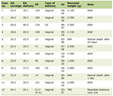 Click to view | Table 1. Search Strategy and Number of Records Identified |
The detailed search strategy has been mentioned in Supplementary Material 1 (jnr.elmerpub.com) in the form of a data sheet.
Screening process
All search results were imported into EndNote Classic. Automatically detected duplicates were removed within EndNote, and the software was used to manage the large number of references and organize the screening workflow.
Screening proceeded in three stages.
Screening by title
Records were sorted alphabetically by title. Titles were screened against the predefined eligibility criteria (see “Eligibility criteria” section). Articles clearly unrelated to the topic or not matching the required study type were excluded. Additional duplicates were identified and removed manually based on title and first author.
Screening by abstract
Abstracts of remaining records were reviewed to identify exclusions according to the same eligibility criteria.
Screening by full text
Full texts of potentially relevant articles were retrieved and assessed for eligibility, focusing on population, intervention, outcomes, and study design. Reasons for exclusion were documented for each full-text article excluded. Articles that fully met the eligibility criteria proceeded to quality appraisal.
Eligibility criteria
The research question was framed using the PICO-TT format (Population, Intervention, Comparison, Outcome, time frame, and Type of study) to ensure a focused and answerable clinical question [24]. The review question was: “How does participation in exercise interventions influence fall risk in community-dwelling neurological patients with Parkinson’s disease or other forms of Parkinsonism, compared with no intervention or other interventions?”
The inclusion and exclusion criteria (Table 2) are as follows.
Click to view | Table 2. Inclusion and Exclusion Criteria |
Types of participants
- Studies including adults (≥ 18 years) with neurological diagnoses of PD or other movement disorders were eligible, regardless of disease severity or cognitive status. No restrictions were placed on gender or educational level.
- Only community-dwelling participants were included; studies focused on patients in acute care, nursing homes, intensive care units, or inpatient hospital settings were excluded.
- Studies involving healthy adults, stroke, other neurodegenerative disorders, dementias (except Lewy body dementia), or non-neurological causes of falls (e.g., osteoarthritis, diabetic neuropathy, isolated visual or hearing impairment) were excluded.
- We relied on the sampling procedures reported in the original studies; selection bias at the primary study level could not be excluded.
Types of interventions
- We included systematic reviews of trials in which physical exercise or physical training was one of the treatment modalities, irrespective of the type of comparator (usual care, non-exercise interventions, or alternative exercise programs). Reviews in which eligibility required a specific comorbidity were excluded.
- Eligible interventions included structured exercise or training protocols delivered with or without devices (e.g., treadmill, physiotherapy programs, gait training). Concomitant pharmacological or non-pharmacological treatments were permitted if similar across comparison groups.
- We excluded systematic reviews focusing exclusively on a single specialized modality such as aquatic exercise, dance, virtual reality, yoga, qigong, tai chi, music-based techniques, or game-based interventions that did not also include more traditional exercise modalities, in order to reduce publication and small-study bias. Telerehabilitation and purely home-based programs were excluded because they are less directly supervised by healthcare providers.
- We included interventions consisting of continuous or interval training. We did not predefine subcategories of exercise modality; traditional exercise techniques were considered as a group. We expected each included clinical trial within the reviews to have a reasonable control group.
Types of outcome measures
We included reviews that assessed fall risk through at least one of the following domains:
- Motor function – as a direct determinant of fall risk;
- FOG and other gait abnormalities – as indirect indicators of fall risk;
- Balance and postural stability – as key contributors to fall risk.
Types of studies and time frame
- Only systematic reviews (with or without meta-analysis) were included. Reviews had to be available as free full-text publications.
- Abstracts, individual clinical trials, observational studies, case reports, case series, conference proceedings, letters, and opinion pieces were excluded.
- No restrictions were placed on country of origin, language of original publication, or follow-up duration in the underlying clinical trials.
- To ensure up-to-date evidence while keeping the number of included reviews manageable, only systematic reviews published from 2020 to October 3, 2025 were considered.
Quality assessment
Systematic reviews that met the eligibility criteria were assessed for methodological quality using the AMSTAR 2 (A Measurement Tool to Assess Systematic Reviews 2) checklist [25]. Only reviews meeting minimum quality standards based on this tool were retained for synthesis.
Data extraction
The first author conducted manual data extraction using a predefined form, recording: authors’ names and year of publication; title of the review; type of review (with or without meta-analysis); number of participants (and any overlap of clinical trials across reviews); types of exercise interventions; dose and duration of interventions; tools used to assess risk of bias in the included trials; outcomes assessed (e.g., FOG, balance, postural stability); quantitative synthesis results where available (effect sizes, confidence intervals, heterogeneity); main conclusions of each review; evidence of publication or small-study bias, where reported.
Extracted data were collated in a spreadsheet for analysis. Each aspect of the reviews including various scales and qualitative outcomes used by the primary reviewer of each systematic review was compared. Quantitative synthesis results were noted down, as a supporting evidence.
| Results | ▴Top |
Study selection
The combined database search identified 5,697 records. Application of database filters (e.g., publication date, free full text) reduced this to 2,337 records. After automated duplicate removal in EndNote, 59 additional records were removed. A total of 2,278 records were screened by title and abstract. Of these, 2,148 were excluded based on irrelevance to the topic or failure to meet inclusion criteria.
The remaining 130 records underwent further screening, resulting in 49 full-text articles assessed for eligibility. Thirty-nine full texts were excluded, primarily because of: incorrect study design (n = 11), focus on only one or an incorrect type of intervention (n = 20), lack of fall-related outcomes (n = 5), or ineligible population (n = 3). Ten systematic reviews were finally included in this overview and underwent quality appraisal.
The numbers of records identified, screened (by title, abstract, and full text), included, and excluded at each stage are summarized in a PRISMA flow diagram (Supplementary Material 2, jnr.elmerpub.com).
Characteristics of included reviews
All 10 included reviews were available as free full texts on journal websites. Nine reviews synthesized randomized controlled trials, whereas one review included observational and prevalence studies. Eight of the 10 reviews performed a meta-analysis. All publications were available in English, irrespective of the original language of the primary studies.
To estimate the overall number of unique participants, we manually checked for duplication of primary clinical trials across the systematic reviews based on the first author’s name and year of publication. Where necessary, we consulted the original trial reports to clarify sample sizes. After accounting for overlap, a combined sample size was derived for this umbrella review.
Participants
All included participants were adults (≥ 18 years) with a diagnosis of PD. Most trials enrolled patients with early or moderate stages of the disease, as those with advanced PD often could not tolerate intensive exercise regimens. Trials involving healthy adults were excluded at the review-selection stage.
Interventions
Because reviews focusing exclusively on one specialized intervention were excluded, the included systematic reviews covered heterogeneous exercise programs. Li et al (2025) assessed 29 exercise modalities, whereas Qian et al (2023) compared 24 modalities. Choi et al (2020) included fewer types, and Guo and Tang (2024) primarily examined three modalities (tai chi, yoga, and resistance training) [26–29].
The dose and duration of interventions varied widely, from one to seven sessions per week, over periods ranging from 2 weeks to 2 years, with individual session durations of 10–180 min.
Outcomes
Reviews differed in the range and focus of outcomes, with some assessing multiple fall risk factors and others concentrating on one domain. Outcomes were grouped into three categories:
Quality and risk of bias
Most systematic reviews used the Cochrane risk-of-bias tool or other established instruments (e.g., modified NHLBI tool for controlled trials, Newcastle–Ottawa Scale, PEDro scale) to assess primary trial quality [32–34]. We applied AMSTAR 2 to all 10 reviews to evaluate their methodological rigor. Overall, reviews demonstrated moderate to high quality, although some had deficiencies such as incomplete reporting of funding sources or excluded studies [25]. The details of results of application of the quality appraisal tool have been assimilated in Supplementary Material 3 (jnr.elmerpub.com).
Publication bias
Publication bias was defined as the preferential publication of studies with statistically significant or favorable results, often compounded by strong effects reported in small samples. One review reported that 166 of 199 included clinical trials had sample sizes of fewer than 30 participants, highlighting a substantial risk of small-study effects [27].
- Publication bias was explicitly discussed in three reviews [27, 32, 35].
- Two reviews concluded that small-study bias was unlikely or minimal [26, 31].
- Two reviews did not report formal assessments of publication bias but noted small sample sizes in included trials [28, 29].
- Three reviews did not mention publication bias [30, 33, 34].
The details of each included study have been tabulated (available in Supplementary Material 4, jnr.elmerpub.com).
| Discussion | ▴Top |
Physical exercise is an effective non-pharmacological intervention to address motor deficits and fall risk in patients with PD. Across the included systematic reviews, exercise programs consistently improved motor symptoms, gait parameters, balance, and postural stability, although heterogeneity in protocols and outcome measures was substantial.
Effects of exercise on motor function
UPDRS-III is the most commonly used scale for motor function in PD and assesses tremor, rigidity, bradykinesia, posture, gait, and facial expression [36]. A systematic review comparing aerobic training (AT) and resistance training (RT) reported that combined AT and RT produced the greatest improvements in UPDRS-III (standardized mean difference (SMD) = −4.39; 95% confidence interval (CI): −6.39 to −2.49; P < 0.00001; I2 = 66%), with AT (SMD = −5.69; 95% CI: −8.67 to −2.71; P = 0.0002; I2 = 82%) outperforming RT (SMD = −3.01; 95% CI: −4.89 to −1.12; P = 0.002; I2 = 0%). Despite high heterogeneity, subgroup analyses supported the superiority of AT over RT for motor symptoms and functional mobility, as measured by UPDRS-III and TUGT [31].
A review of additional exercise modalities beyond conventional physiotherapy found the overall evidence inconclusive because of high heterogeneity, but identified dance as superior to conventional physiotherapy for motor outcomes. The authors attributed this advantage partly to social engagement and emotional benefits that may improve motivation and adherence [32]. Another review suggested that aerobic and complex exercise programs yielded strong improvements in UPDRS scores, while tai chi (SMD = 0.35; 95% CI: 0.09–0.60; P = 0.007) and RT (SMD = 0.69; 95% CI: 0.04–1.35; P = 0.04) significantly improved motor function, whereas yoga did not show statistically significant benefits in that analysis [28, 29].
Effects of exercise on gait and freezing of gait
Freezing of gait (FOG) is a sudden, brief inability to move the feet forward despite the intention to walk and is a prominent risk factor for falls in PD [37]. Although FOG episodes are acute, gait abnormalities often represent chronic impairments. A review of exercise and training-based interventions for FOG concluded that FOG-specific and FOG-relevant interventions (e.g., cueing, treadmill with visual or auditory cues) were more effective in improving FOG outcomes than generic exercise programs. Group-based interventions were particularly beneficial, likely because of increased social interaction and support [34].
Gait outcomes were assessed using parameters such as gait velocity, 6-min walk test distance, step length, and stride length [26]. Dance was associated with substantial improvements in gait velocity (SMD = 2.11; 95% CI: 1.07–3.15) and step length (SMD = 2.08; 95% CI: 0.04–4.13) compared with control conditions [26]. “Five-animal” exercises improved stride length (SMD = 1.01; 95% CI: 0.04–1.98), and robotic-assisted gait training yielded better outcomes than combined therapy (mean difference (MD) = 2.02; 95% CI: 0.41–3.63) [26].
In the AT versus RT review, combined AT and RT improved gait velocity (SMD = 0.74; 95% CI: 0.49–1.00; P < 0.00001; I2 = 54%), with AT alone producing large gains (SMD = 0.88; 95% CI: 0.58–1.18; P < 0.00001; I2 = 42%) and RT yielding moderate improvements (SMD = 0.52; 95% CI: 0.10–0.94; P = 0.01; I2 = 55%) [31]. These improvements are likely to enhance functional independence and reduce fall risk.
Treadmill and end-effector robotic devices improved gait capacity, endurance, and overall independence [30]. Motor dual-task gait training (e.g., walking while performing a motor task) appeared more effective than cognitive dual-task training for gait outcomes, suggesting that practising motor aspects of gait may be particularly important for fall prevention and maintenance of daily activities [30].
Effects of exercise on balance and postural stability
Balance and postural stability are central determinants of falls in PD. Balance becomes critical during mobility, whereas postural stability is crucial for sitting, performing daily tasks, and exercising. Commonly used assessment tools include the BBS, Mini-BESTest, and TUGT [27, 29, 32, 35].
A network meta-analysis of 86 trials reported that balance-focused exercise programs consistently improved balance, postural stability, and mobility outcomes compared with control conditions. RT enhanced balance and mobility, as reflected by higher Mini-BESTest scores and shorter TUGTs [35]. Similar findings were reported in the AT versus RT review, where RT improved gait velocity and balance, complementing the effects of AT [31].
Qian et al compared 24 exercise modalities and classified postural instability into steady-state, proactive, and reactive components. Six modalities significantly improved steady-state balance, with aquatic exercise ranking highest. Pilates was most effective for proactive balance, likely due to its emphasis on core stability and coordination. Reactive balance showed the greatest improvement with balance gait training using external cues or attention and robotic-assisted gait training, possibly because both modalities incorporate attentional strategies and task-specific practice. However, heterogeneity was high for steady-state and proactive components (τ2 > 0.05, P < 0.0004, I2 > 35%), whereas heterogeneity for reactive balance was low (τ2 = 0.0037, P = 0.3768, I2 = 3.2%) [27].
Guo and Tang reported that tai chi significantly improved BBS scores (MD = 3.56; 95% CI: 2.24–4.87; P < 0.00001; I2 = 47%). After excluding an outlier study, heterogeneity dropped to 0%, while the benefit of tai chi remained significant (MD = 2.90; P < 0.00001). Tai chi performed four times per week provided the largest balance gains (MD = 4.66; P < 0.00001). Yoga improved static (steady-state) balance, whereas resistance training primarily enhanced dynamic balance [29]. Dance outperformed conventional physiotherapy in improving BBS (overall P < 0.01; I2 < 40%) and TUGT outcomes (P < 0.05; I2 ≈ 40%) [32]. A broader review of exercise interventions reported overall improvements in BBS scores (MD = 2.72), especially with strength and power exercises [28].
Duration of benefits
Exercise appears to function as a continuous intervention in PD, in that ongoing participation is needed to sustain benefits. A review of FOG-specific interventions noted that improvements in FOG outcomes did not persist beyond 1–6 months after cessation of exercise, underscoring the transient nature of gains and the need for continuous training [34].
Key findings and clinical implications
Physical exercise interventions are essential non-pharmacological treatments for patients with PD, improving motor function, gait, balance, and postural stability, thereby reducing fall risk and enhancing functional independence. Exercise intensity and dosage should be tailored to the individual’s fall risk and tolerance.
AT is particularly effective in improving motor symptoms, gait velocity, functional mobility, and endurance, whereas RT enhances muscle strength, balance, and postural control. Combined AT and RT provide synergistic benefits across all three key dimensions of fall risk and support better performance in daily activities [28, 29, 31].
Dance appears highly effective for improving gait velocity, step length, and balance, with additional social and emotional benefits that may enhance adherence. Tai chi improves balance, stability, and motor coordination, while yoga may be useful for static balance and flexibility [26, 29, 32].
Pilates focuses on active balance and core stability, aquatic exercise substantially improves steady-state postural control (benefiting from water buoyancy), and robotic-assisted and treadmill-based training improve gait mechanics and stride characteristics. These modalities can be selected based on patient preferences, accessibility, and clinical goals [26, 27, 30].
Group-based exercise formats promote social interaction, motivation, and adherence. However, the durability of exercise benefits appears limited, with most gains diminishing within 1–6 months after discontinuation, highlighting the importance of long-term, continuous exercise to maintain function and minimize fall risk [27, 32, 34].
Overall, dance and robotic-assisted training appear particularly effective for gait-related outcomes, while tai chi and aquatic exercise are especially beneficial for balance. A combination of AT and RT, complemented by balance-focused modalities such as dance or tai chi and delivered in group-based programs when feasible, seems to offer the most comprehensive benefits for fall risk reduction in PD.
Strengths and limitations
This overview is based on systematic reviews, eight of which include meta-analyses, thereby synthesizing data from a large number of clinical trials and participants. We did not restrict inclusion by geographical region or original publication language of the primary studies, enhancing the global relevance of the findings. By excluding reviews that focused exclusively on a single exercise modality, we sought to reduce small-study and publication bias and to capture a broad range of exercise approaches.
This work has several limitations. First, the total number of participants across reviews was estimated after manually checking for overlapping clinical trials based on first author and year. One large review without primary clinical trials nonetheless influenced the overall participant count, contributing more than three-quarters of the total sample size used to justify the need for this overview.
Second, substantial overlap of clinical trials across the included systematic reviews means that some trials may have been counted multiple times in different contexts, potentially inflating the apparent evidence base. To mitigate this, we interpreted findings primarily at the level of modalities and outcomes rather than relying on raw pooled sample sizes.
Third, at least three included reviews reported evidence of publication or small-study bias. Fourth, none of the reviews systematically quantified participants’ social engagement, personality traits, or intrinsic motivation, nor did they robustly examine how disease severity interacts with maximum tolerable exercise dose; most comments on these factors were qualitative.
Finally, although our initial question included PD and other movement disorders, no eligible systematic reviews focusing specifically on non-PD movement disorders were identified, and all included evidence pertains to PD.
| Conclusions | ▴Top |
This overview of systematic reviews supports physical exercise as a central non-pharmacological strategy to prevent falls and related adverse outcomes in patients with PD. Exercise mode and frequency should be individualized according to each patient’s tolerance, fall risk, and preferences. Dance and robotic-assisted gait training have particularly strong effects on gait parameters, while tai chi and aquatic exercise substantially improve balance. Combined AT and RT, supplemented by balance-focused exercises such as dance or tai chi, appears to provide superior outcomes compared with other exercise approaches. Group-based training formats confer additional emotional and social benefits that may enhance adherence.
By consolidating findings from systematic reviews and meta-analyses across diverse exercise modalities, this paper highlights the importance of sustained physical activity to maintain reductions in fall risk. It also underscores the need to align exercise prescriptions with patient interests and motivational factors. The heterogeneity of interventions limited detailed examination of every underlying clinical study; therefore, the synthesis primarily relied on the reported results and interpretations within the included systematic reviews.
Future research should clarify the optimal type, timing, and dose of exercise at different stages of PD and explore how individual patient characteristics influence the choice and effectiveness of specific exercise modalities.
| Supplementary Material | ▴Top |
Suppl 1. Data sheet.
Suppl 2. Flowchart based on PRISMA standards.
Suppl 3. Quality assessment based on AMSTAR 2 tool for systematic reviews.
Suppl 4. Details of the included studies.
Acknowledgments
None to declare.
Financial Disclosure
The authors did not receive any funding for conducting or publishing this research.
Conflict of Interest
The authors declare no conflict of interest.
Author Contributions
The first author, Dr. Fnu Shrivathsa conceptualized the study, developed search strategy, screening process, data extraction, the quality assessment, and created the manuscript draft. Dr. Safeera Khan, the mentor, provided project supervision, and mentorship, review of the manuscript for intellectual content, and provided final approval of the version to be published. Both authors have read and have agreed to be accountable for all aspects of work.
Data Availability
The authors declare that data supporting the findings of this study are available within the article.
| References | ▴Top |
- Tan SX, Cameron SC, Sam LM, Eigeland H, Hay K, Eeles E, Natarajan K. A delicate balance: Psychotropic polypharmacy and anti-cholinergic use are correlated with fall incidence in Australian inpatients with dementia. Aging Med (Milton). 2021;4(3):193-200.
doi pubmed - Ataullah AHM, De Jesus O. Gait disturbances. [Updated Apr 20, 2024]. In: StatPearls [Internet]. Treasure Island (FL): StatPearls Publishing; 2025. Available from: https://www.ncbi.nlm.nih.gov/books/NBK560610/.
- Verghese J, Ambrose AF, Lipton RB, Wang C. Neurological gait abnormalities and risk of falls in older adults. J Neurol. 2010;257(3):392-398.
doi pubmed - Dionyssiotis Y. Analyzing the problem of falls among older people. Int J Gen Med. 2012;5:805-813.
doi pubmed - Appeadu MK, Bordoni B. Falls and fall prevention in older adults. In: StatPearls. Treasure Island (FL) ineligible companies. 2026.
pubmed - Stanmore EK, Oldham J, Skelton DA, O'Neill T, Pilling M, Campbell AJ, Todd C. Fall incidence and outcomes of falls in a prospective study of adults with rheumatoid arthritis. Arthritis Care Res (Hoboken). 2013;65(5):737-744.
doi pubmed - Biswas I, Adebusoye B, Chattopadhyay K. Health consequences of falls among older adults in India: a systematic review and meta-analysis. Geriatrics (Basel). 2023;8(2):43.
doi pubmed - Feng F, Xu H, Sun Y, Zhang X, Li N, Sun X, Tian X, et al. Exercise for prevention of falls and fall-related injuries in neurodegenerative diseases and aging-related risk conditions: a meta-analysis. Front Endocrinol (Lausanne). 2023;14:1187325.
doi pubmed - Winser SJ, Paul LF, Magnus LKL, Yan S, Shenug TP, Sing YM, Cheing G. Economic evaluation of exercise-based fall prevention programs for people with Parkinson's disease: a systematic review. J Altern Complement Med. 2019;25(12):1225-1237.
doi pubmed - Parkinson's foundation. Fall prevention in Parkinson’s [Internet]. Parkinson’s foundation. 2024. Available from: https://www.parkinson.org/library/fact-sheets/fall-prevention.
- Schrag A, Choudhury M, Kaski D, Gallagher DA. Why do patients with Parkinson's disease fall? A cross-sectional analysis of possible causes of falls. NPJ Parkinsons Dis. 2015;1:15011.
doi pubmed - Pelicioni PHS, Menant JC, Latt MD, Lord SR. Falls in Parkinson's disease subtypes: risk factors, locations and circumstances. Int J Environ Res Public Health. 2019;16(12).
doi pubmed - Camicioli R, Morris ME, Pieruccini-Faria F, Montero-Odasso M, Son S, Buzaglo D, Hausdorff JM, et al. Prevention of falls in Parkinson's disease: guidelines and gaps. Mov Disord Clin Pract. 2023;10(10):1459-1469.
doi pubmed - Contreras A, Grandas F. Risk of falls in Parkinson's disease: a cross-sectional study of 160 patients. Parkinsons Dis. 2012;2012:362572.
doi pubmed - Regnault A, Prato MK, Quere S, Benoit A, Massat NJ, Morel T. Optimizing the MDS-UPDRS Part III for early-stage Parkinson's: early supportive evidence for a limb-related bradykinesia/rigidity sub-score. NPJ Parkinsons Dis. 2025;11(1):297.
doi pubmed - Qutubuddin AA, Pegg PO, Cifu DX, Brown R, McNamee S, Carne W. Validating the Berg Balance Scale for patients with Parkinson's disease: a key to rehabilitation evaluation. Arch Phys Med Rehabil. 2005;86(4):789-792.
doi pubmed - Cleveland Clinic. Berg Balance Test (Scale): Scoring & Results Interpretation [Internet]. Cleveland Clinic. 2021. Available from: https://my.clevelandclinic.org/health/diagnostics/22090-berg-balance-scale.
- Cattaneo D, Gervasoni E, Pupillo E, Bianchi E, Aprile I, Imbimbo I, Russo R, et al. Educational and exercise intervention to prevent falls and improve participation in subjects with neurological conditions: the NEUROFALL randomized controlled trial. Front Neurol. 2019;10:865.
doi pubmed - Page MJ, McKenzie JE, Bossuyt PM, Boutron I, Hoffmann TC, Mulrow CD, Shamseer L, et al. The PRISMA 2020 statement: an updated guideline for reporting systematic reviews. BMJ. 2021;372:n71.
doi pubmed - PubMed. PubMed overview [Internet]. PubMed. National Library of Medicine; 2025 [cited Oct 6, 2025]. Available from: https://pubmed.ncbi.nlm.nih.gov/about/.
- Europe PMC. About - Europe PMC [Internet]. Europepmc.org. 2020 [cited Oct 6, 2025]. Available from: https://europepmc.org/about#what-is-europe-pmc.
- Directory of Open Access Journals [Internet]. doaj.org. DOAJ 2025 [cited Oct 6, 2025]. Available from: https://doaj.org/about/.
- LibGuides: Systematic Review: EndNote for Systematic Reviews [Internet]. Strath.ac.uk. 2017. Available from: https://guides.lib.strath.ac.uk/c.php?g=653776&p=4675877.
- Riva JJ, Malik KM, Burnie SJ, Endicott AR, Busse JW. What is your research question? An introduction to the PICOT format for clinicians. J Can Chiropr Assoc. 2012;56(3):167-171.
pubmed - Shea BJ, Reeves BC, Wells G, Thuku M, Hamel C, Moran J, Moher D, et al. AMSTAR 2: a critical appraisal tool for systematic reviews that include randomised or non-randomised studies of healthcare interventions, or both. BMJ. 2017;358:j4008.
doi pubmed - Li Y, Huang J, Wang J, Cheng Y. Effects of different exercises on improving gait performance in patients with Parkinson's disease: a systematic review and network meta-analysis. Front Aging Neurosci. 2025;17:1496112.
doi pubmed - Qian Y, Fu X, Zhang H, Yang Y, Wang G. Comparative efficacy of 24 exercise types on postural instability in adults with Parkinson's disease: a systematic review and network meta-analysis. BMC Geriatr. 2023;23(1):522.
doi pubmed - Choi HY, Cho KH, Jin C, Lee J, Kim TH, Jung WS, Moon SK, et al. Exercise therapies for Parkinson's disease: a systematic review and meta-analysis. Parkinsons Dis. 2020;2020:2565320.
doi pubmed - Guo XB, Tang L. Effects of different exercise types on balance function in healthy older adults and Parkinson's patients: a systematic review. Front Aging Neurosci. 2024;16:1411584.
doi pubmed - Tobar A, Jaramillo AP, Costa SC, Costa KT, Garcia SS. A physical rehabilitation approach for Parkinson's Disease: a systematic literature review. Cureus. 2023;15(9):e44739.
doi pubmed - Song H, Ge S, Li J, Jiao C, Ran L. Effects of aerobic and resistance training on walking and balance abilities in older adults with Parkinson's disease: A systematic review and meta-analysis. PLoS One. 2025;20(1):e0314539.
doi pubmed - Hidalgo-Agudo RD, Lucena-Anton D, Luque-Moreno C, Heredia-Rizo AM, Moral-Munoz JA. Additional physical interventions to conventional physical therapy in Parkinson's disease: a systematic review and meta-analysis of randomized clinical trials. J Clin Med. 2020;9(4):1038.
doi pubmed - Liu WY, Tung TH, Zhang C, Shi L. Systematic review for the prevention and management of falls and fear of falling in patients with Parkinson's disease. Brain Behav. 2022;12(8):e2690.
doi pubmed - Gilat M, Ginis P, Zoetewei D, De Vleeschhauwer J, Hulzinga F, D'Cruz N, Nieuwboer A. A systematic review on exercise and training-based interventions for freezing of gait in Parkinson's disease. NPJ Parkinsons Dis. 2021;7(1):81.
doi pubmed - Lorenzo-Garcia P, Cavero-Redondo I, Nunez de Arenas-Arroyo S, Guzman-Pavon MJ, Priego-Jimenez S, Alvarez-Bueno C. Effects of physical exercise interventions on balance, postural stability and general mobility in Parkinson's disease: a network meta-analysis. J Rehabil Med. 2024;56:jrm10329.
doi pubmed - Ivey FM, Katzel LI, Sorkin JD, Macko RF, Shulman LM. The Unified Parkinson's Disease Rating Scale as a predictor of peak aerobic capacity and ambulatory function. J Rehabil Res Dev. 2012;49(8):1269-1276.
doi pubmed - Freezing of Gait & Parkinson’s Disease [Internet]. American Parkinson Disease Association. Available from: https://www.apdaparkinson.org/what-is-parkinsons/symptoms/freezing-of-gait/.
This article is distributed under the terms of the Creative Commons Attribution 4.0 International License (CC BY 4.0), which permits unrestricted use, distribution, and reproduction in any medium, including commercial use, provided the original work is properly cited.
Journal of Neurology Research is published by Elmer Press Inc.