


Chronic Subdural Hematoma Presenting as Insidious Onset Unilateral Involuntary Movements
DOI:
https://doi.org/10.14740/jnr1039Keywords:
Chronic subdural hematoma, Involuntary movements, Post-traumatic movement disorderAbstract
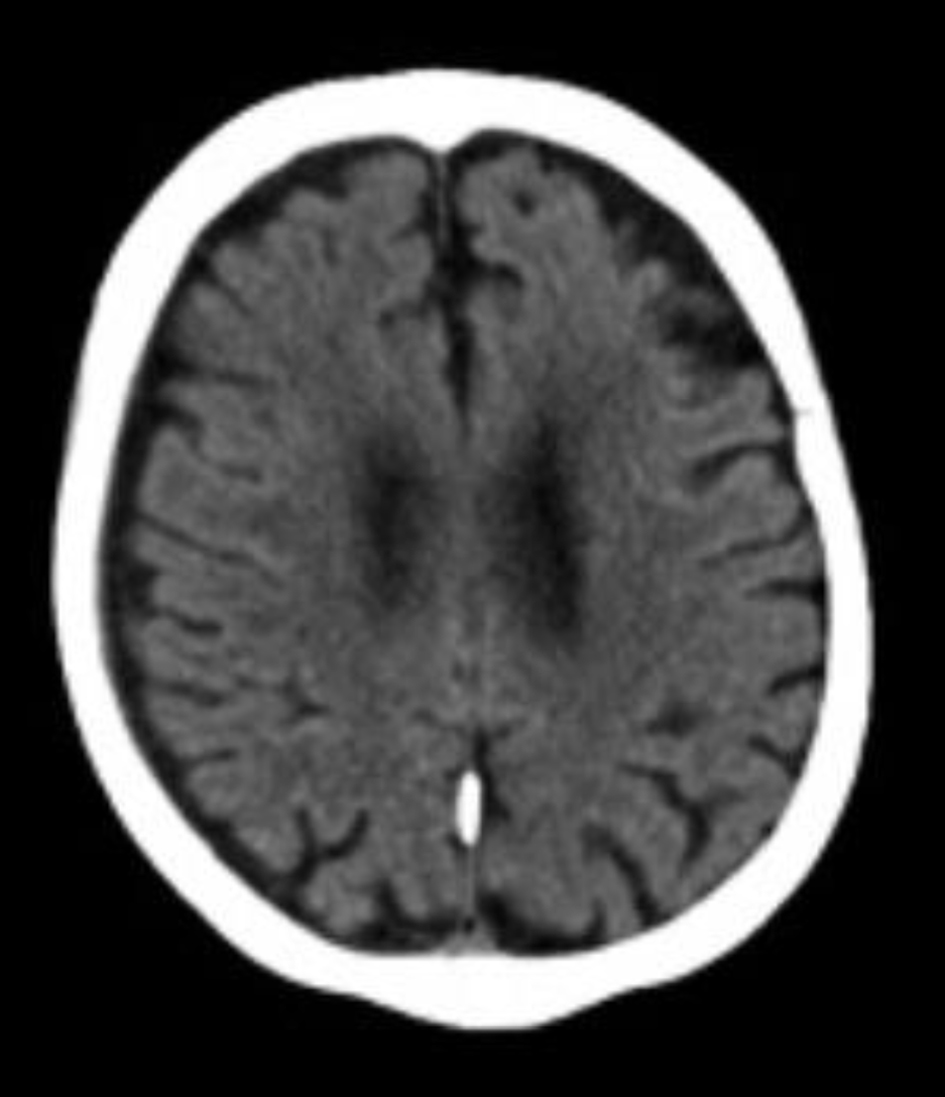
With the average age in Western countries continuing to rise, chronic subdural hematoma (cSDH) has emerged as an increasingly common neurological condition in these countries. The condition is particularly prevalent among the elderly, with a markedly higher incidence in individuals over 65 years of age. We present the case of a 79-year-old female who developed left-sided choreiform movements or hemiballismus several days after a minor fall. Initial imaging revealed no acute findings; however, delayed magnetic resonance imaging revealed a small chronic right-sided subdural collection. Notably, the patient’s symptoms gradually improved over a 6-month period. Overall, this case illustrates that cSDH can present with delayed-onset hyperkinetic movements, likely through biochemical or microvascular effects on cortical function rather than solely mechanical pressure. It underscores the importance of considering cSDH in the differential diagnosis for delayed-onset movement disorders and highlights the value of follow-up imaging and clinical monitoring, even after seemingly minor trauma.
Published
Issue
Section
License
Copyright (c) 2025 The authors

This work is licensed under a Creative Commons Attribution-NonCommercial 4.0 International License.