

Papillary Fibroelastoma Causing Large-Vessel Ischemic Stroke in a Young Patient: Histopathologically Confirmed Tumor Embolism Treated With Mechanical Thrombectomy
DOI:
https://doi.org/10.14740/jnr1117Keywords:
Papillary fibroelastoma, Ischemic stroke, Tumor embolism, Mechanical thrombectomy, Large-vessel occlusionAbstract
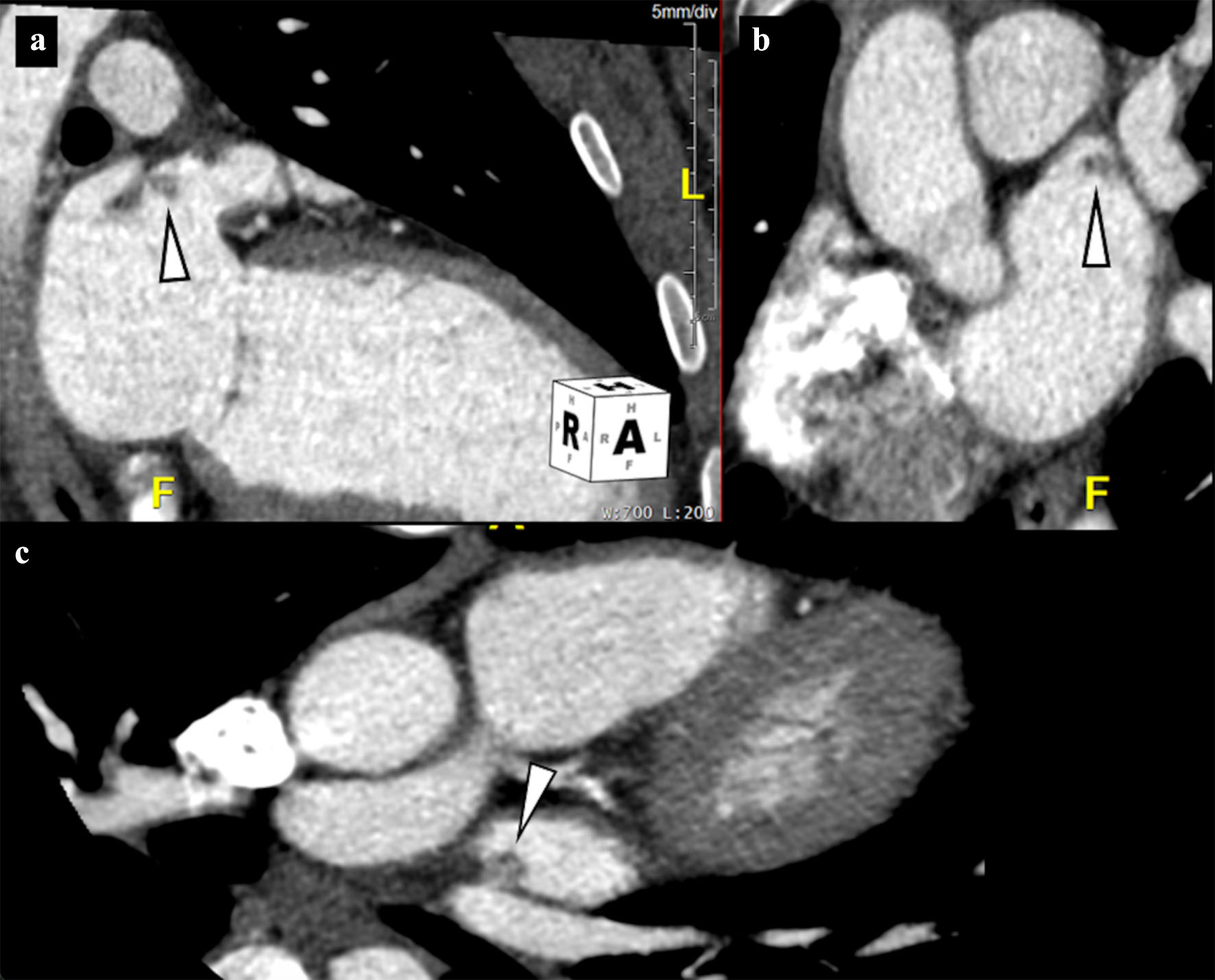
Papillary fibroelastoma (PFE) is a benign cardiac tumor that, despite having significant embolic potential, is typically an uncommon cause of large-vessel ischemic stroke. We report a 19-year-old female who presented with acute aphasia and right hemiplegia due to a left middle cerebral artery M1 occlusion and was successfully treated with mechanical thrombectomy. Histopathologic examination of the retrieved embolus established the diagnosis. This case underscores the diagnostic importance of pathological examination of thrombectomy specimens when identifying rare cardioembolic etiologies of cryptogenic stroke.
Published
2026-08-04
Issue
Section
Case Report
License
Copyright (c) 2026 The authors

This work is licensed under a Creative Commons Attribution 4.0 International License.
How to Cite
1.
Kim I, Marotta TR, Munoz DG. Papillary Fibroelastoma Causing Large-Vessel Ischemic Stroke in a Young Patient: Histopathologically Confirmed Tumor Embolism Treated With Mechanical Thrombectomy. J Neurol Res. 2026;16(3):180-185. doi:10.14740/jnr1117