

Autologous Hematopoietic Stem Cell Transplantation in Aquaporin-4 Immunoglobulin G–Positive Neuromyelitis Optica Spectrum Disorder After Satralizumab Failure
DOI:
https://doi.org/10.14740/jnr1123Keywords:
Stem cell transplant, Neuromyelitis optica, Neuroimmunology, Treatment failureAbstract
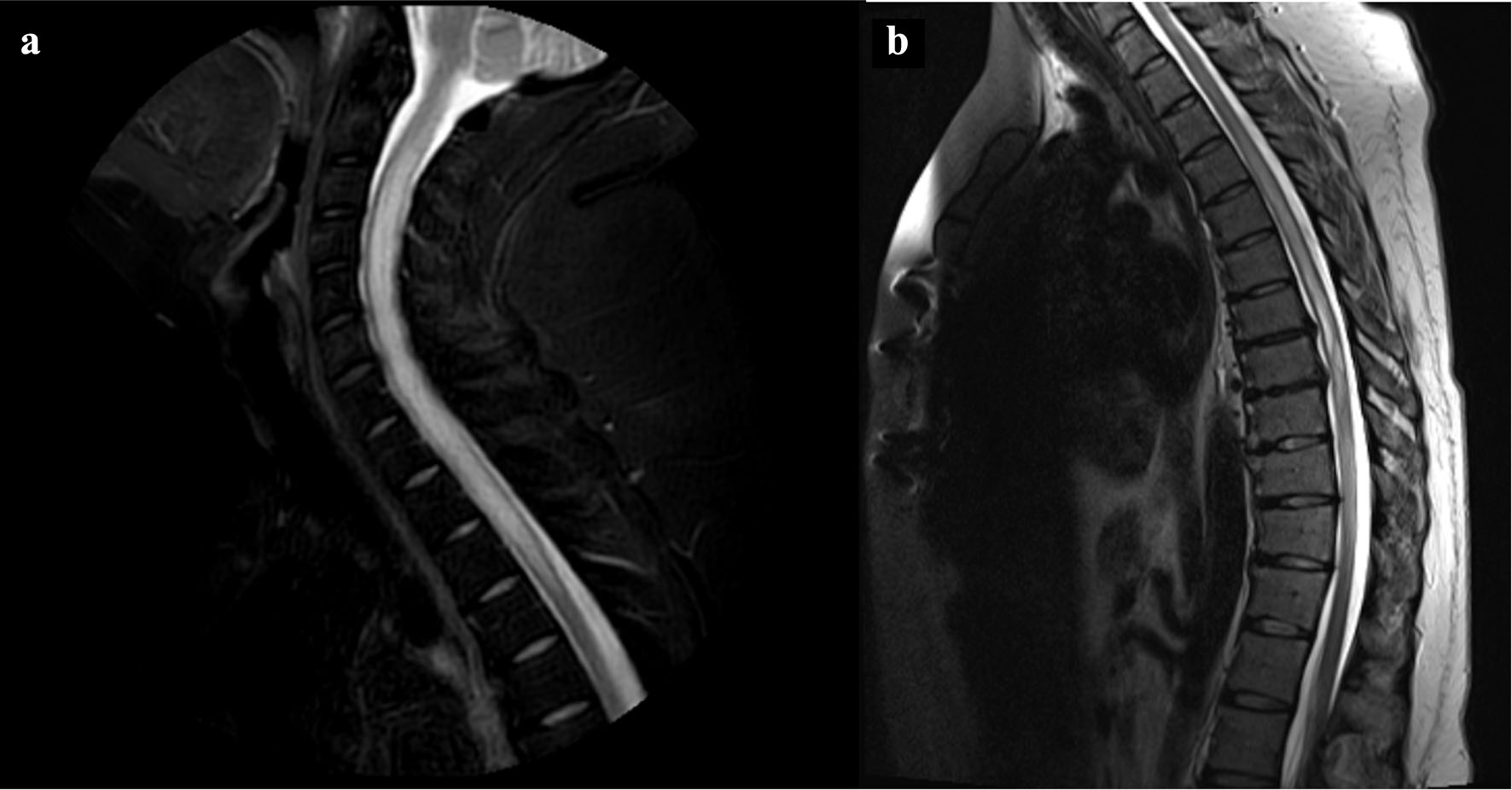
Neuromyelitis optica spectrum disorder (NMOSD) is a severe autoimmune astrocytopathy mediated by aquaporin-4 immunoglobulin G (AQP4-IgG), characterized by recurrent inflammatory events affecting predominantly the optic nerves and spinal cord. Despite the availability of targeted therapies, including monoclonal antibodies such as satralizumab, a subset of patients develops treatment-refractory disease, representing a major therapeutic challenge. We report the case of a 32-year-old woman with a history of hypothyroidism, systemic lupus erythematosus, and antiphospholipid syndrome presenting with AQP4-IgG–positive NMOSD, who experienced disease activity despite treatment with satralizumab. Following relapses with optic neuritis and cervical myelitis, and in the context of limited access to alternative therapies, the patient underwent autologous hematopoietic stem cell transplantation (aHSCT). Conditioning consisted of cyclophosphamide, rituximab, and anti-thymocyte globulin, followed by infusion of 3.11 × 10⁶ CD34+ cells/kg. Early post-transplant complications included neutropenia and pneumonia, both of which were resolved with appropriate treatment. At 2-year follow-up, the patient remains relapse-free with significant functional recovery, despite persistent AQP4-IgG seropositivity. This case supports the role of aHSCT as a rescue therapeutic strategy in highly refractory NMOSD and highlights the dissociation between serological persistence and clinical remission. Long-term follow-up and further studies are required to define the durability of response and optimal patient selection.
Published
Issue
Section
License
Copyright (c) 2026 The authors

This work is licensed under a Creative Commons Attribution 4.0 International License.