

Genotype-Guided Dual Antiplatelet Therapy in CYP2C19 Loss-of-Function Carriers With Stroke or Transient Ischemic Attack: A Meta-Analysis of Ticagrelor–Aspirin Versus Clopidogrel–Aspirin
DOI:
https://doi.org/10.14740/jnr1101Keywords:
Ticagrelor, Clopidogrel, Aspirin, Transient ischemic attack, CYP2C19 loss-of-functionAbstract
Background: Individuals presenting with transient ischemic attack (TIA) or minor ischemic stroke face a substantial risk of early stroke recurrence. Although dual antiplatelet therapy (DAPT) lowers the incidence of ischemic events, it is accompanied by an elevated bleeding risk. Moreover, CYP2C19 genetic polymorphisms, particularly loss-of-function (LOF) variants, may impair clopidogrel metabolism and attenuate its antiplatelet efficacy, underscoring the need to evaluate alternative therapeutic strategies. This study aimed to compare the efficacy and safety of ticagrelor plus aspirin versus clopidogrel plus aspirin among CYP2C19 LOF carriers with TIA or minor ischemic stroke.
Methods: A systematic review and meta-analysis was performed following PRISMA recommendations. Electronic databases including PubMed, Scopus, and Google Scholar were systematically screened to identify randomized controlled trials evaluating ticagrelor–aspirin versus clopidogrel–aspirin in patients harboring CYP2C19 LOF alleles. Primary and secondary outcomes comprised 90-day recurrent ischemic or hemorrhagic stroke, composite vascular events, intracranial hemorrhage, and all-cause mortality. Pooled risk ratios (RRs) with corresponding 95% confidence intervals (CIs) were calculated to estimate treatment effects.
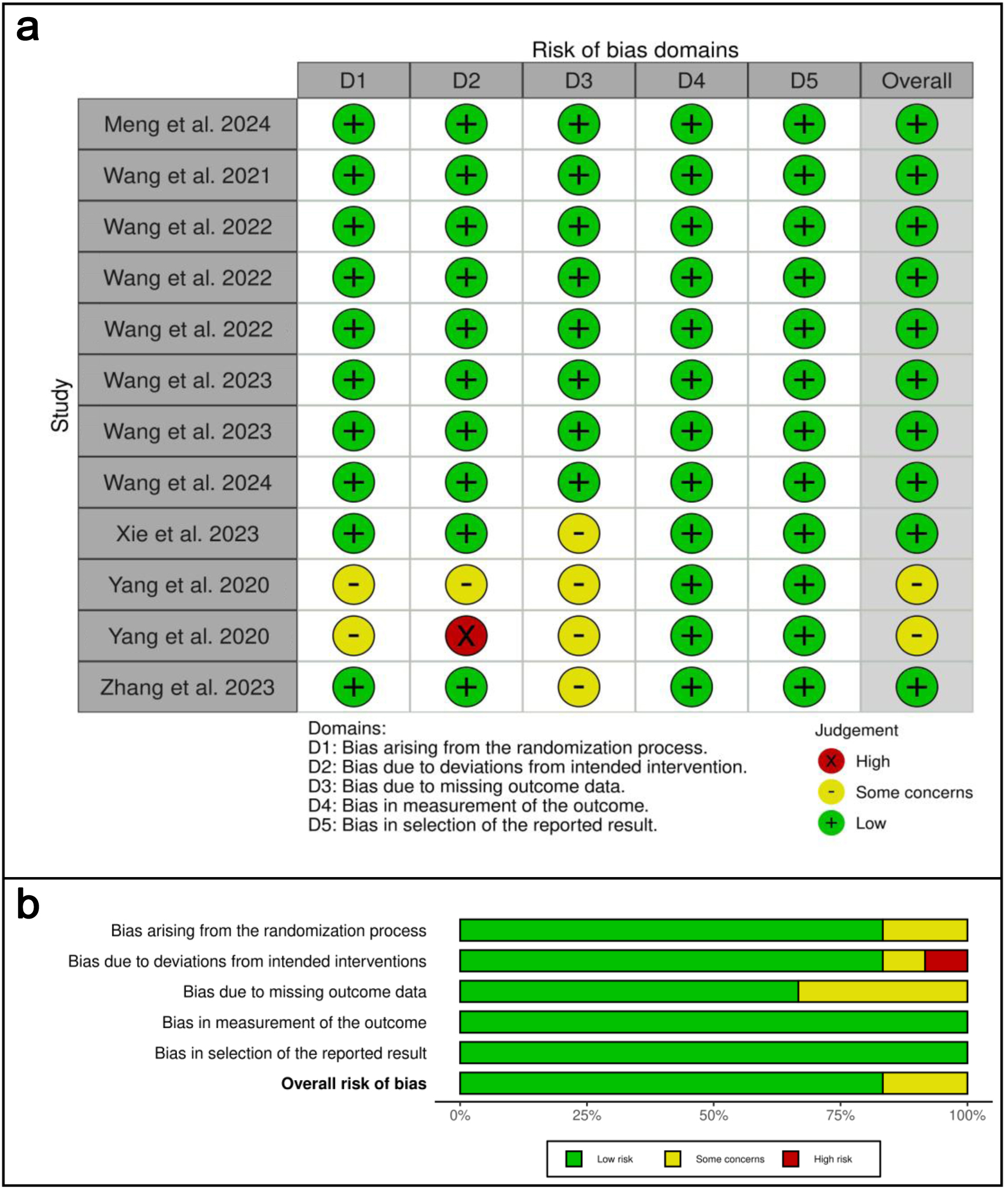
Results: Twelve eligible studies encompassing 64,128 CYP2C19 LOF carriers were included in the final analysis. Compared with clopidogrel–aspirin therapy, ticagrelor–aspirin was associated with a significantly lower risk of recurrent stroke at 90 days (P < 0.00001) and composite vascular events (P < 0.00001). Additionally, ticagrelor-based DAPT demonstrated a reduced incidence of intracranial hemorrhage (P = 0.005) and mortality (P < 0.0001).
Conclusion: Among CYP2C19 LOF carriers with TIA or minor ischemic stroke, ticagrelor combined with aspirin appears to offer superior protection against recurrent stroke and vascular complications compared with clopidogrel–aspirin, while also reducing intracranial hemorrhage and mortality. Nevertheless, individualized risk–benefit assessment remains essential, particularly considering the bleeding profile associated with ticagrelor.
Published
Issue
Section
License
Copyright (c) 2026 The authors

This work is licensed under a Creative Commons Attribution 4.0 International License.