

Seizures and Epilepsy in Children With SARS-CoV-2 Infection: Clinical Phenotypes, Mechanisms, and Long-Term Outcomes
DOI:
https://doi.org/10.14740/jnr1100Keywords:
SARS-CoV-2, Pediatric seizures, Epilepsy, Febrile seizures, MIS-C, NeuroinflammationAbstract
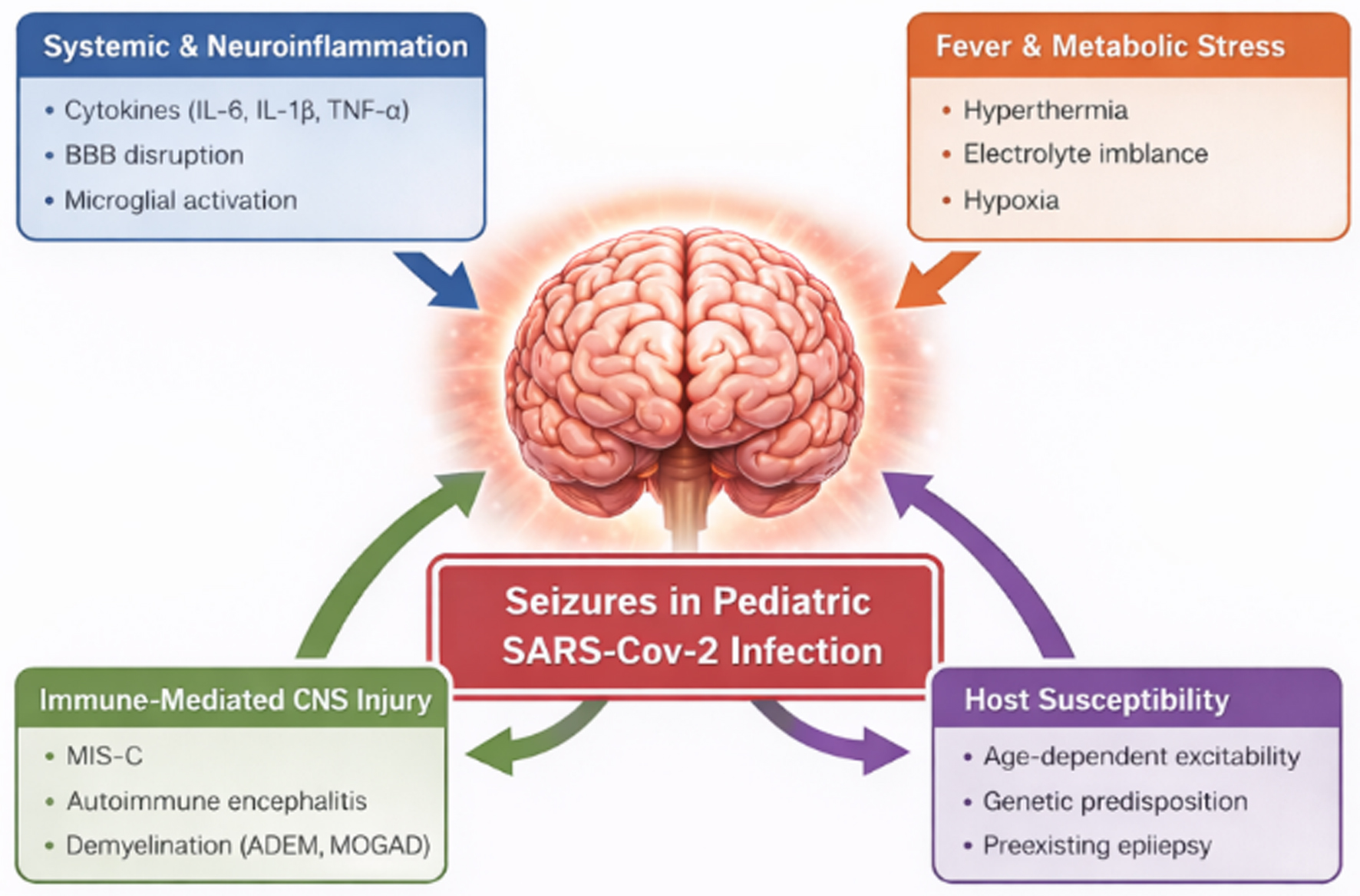
Seizures have emerged as a common neurological manifestation of severe acute respiratory syndrome coronavirus 2 (SARS-CoV-2) infection in children, encompassing a wide clinical spectrum ranging from isolated febrile seizures to severe inflammatory and immune-mediated neurological disorders. This narrative review aims to synthesize current evidence on the pathophysiological mechanisms, clinical phenotypes, diagnostic approach, management strategies, and long-term outcomes of seizures and epilepsy associated with pediatric coronavirus disease 2019 (COVID-19). A structured narrative literature review was conducted using PubMed and Embase, including studies published between 2020 and 2025 that addressed seizures or epilepsy in children aged 0–18 years in the context of acute SARS-CoV-2 infection, multisystem inflammatory syndrome in children (MIS-C), post-infectious autoimmune neurological syndromes, and long-term neurological sequelae. Available evidence indicates that most seizures occurring during pediatric SARS-CoV-2 infection represent acute symptomatic events, commonly related to fever or transient systemic and neuroinflammatory responses, and are generally associated with a favorable short-term outcome. Distinct clinical phenotypes have been described, including febrile seizures, afebrile acute symptomatic seizures, seizures associated with MIS-C, and seizures occurring in the setting of post-infectious autoimmune central nervous system disease. Although the long-term risk of epilepsy appears to be low for the majority of affected children, those with severe systemic inflammation, encephalopathy, autoimmune neurological involvement, abnormal neuroimaging findings, or status epilepticus may be at increased risk for persistent neurocognitive impairment or epileptological sequelae. Emerging data further suggest that seizure incidence and clinical characteristics in children may vary across different phases of the pandemic and circulating viral variants. Overall, seizures associated with pediatric SARS-CoV-2 infection are most often transient and self-limited; however, a clinically important subset of patients requires comprehensive neurodiagnostic evaluation and structured longitudinal follow-up. Prospective, multicenter pediatric studies with standardized neurodiagnostic protocols and long-term outcome assessment are needed to better define epilepsy risk and neurodevelopmental trajectories following COVID-19–related seizures.
Published
Issue
Section
License
Copyright (c) 2026 The authors

This work is licensed under a Creative Commons Attribution 4.0 International License.