Traumatic Brain Injury and Its Impact on Personality and Behavior: A Narrative Review
DOI:
https://doi.org/10.14740/jnr1058Keywords:
Traumatic brain injury, Personality changes, Behavioral changes, Neurobiological mechanismAbstract
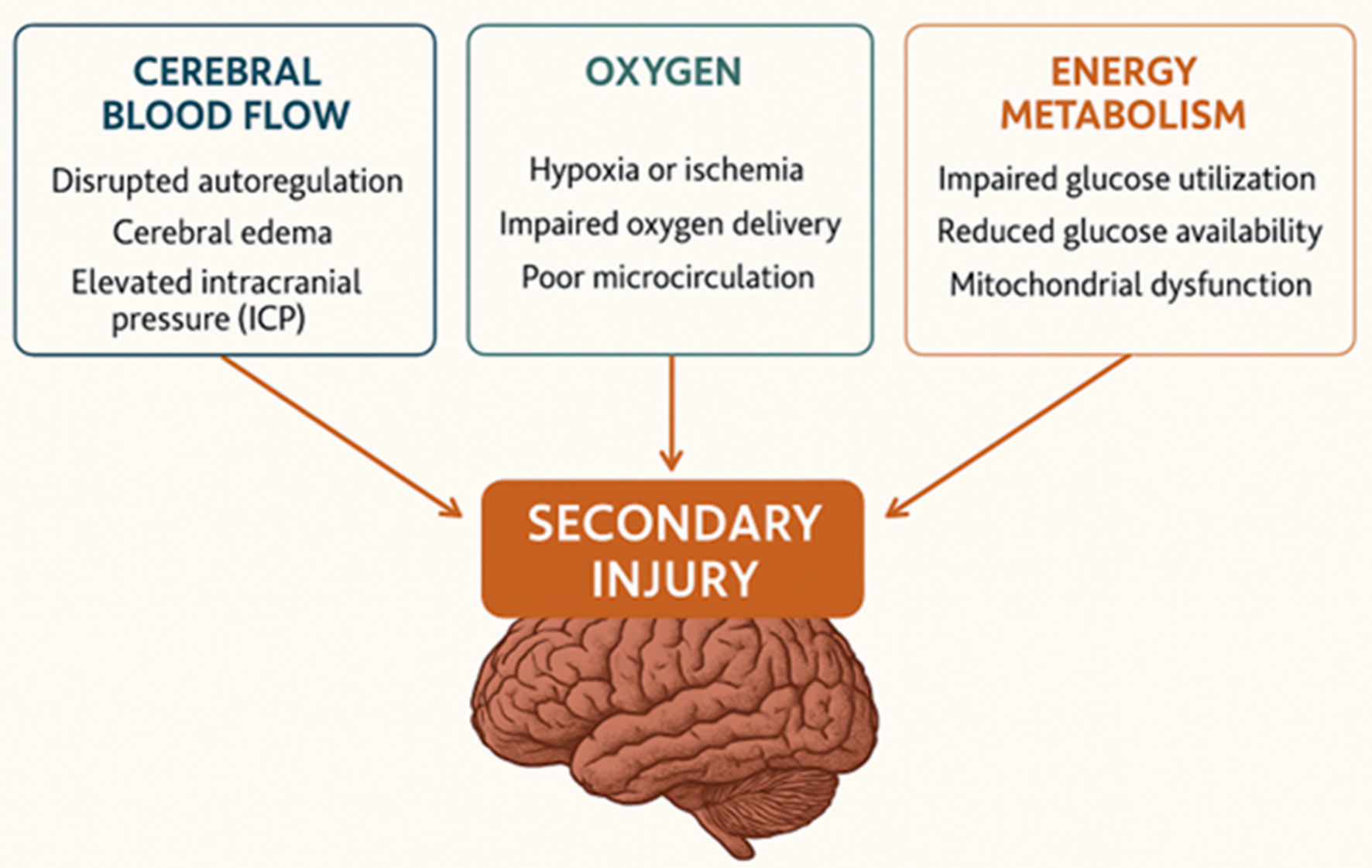
Traumatic brain injury (TBI) is a leading cause of long-term disability worldwide, contributing to significant neurological, psychological, and social impairments. Beyond the physical and cognitive consequences, TBI profoundly affects personality and behavior, influencing emotional regulation, social functioning, and overall quality of life. This narrative review synthesizes current evidence on the epidemiology, pathophysiology, and neuropsychiatric consequences of TBI, with a particular focus on the mechanisms and clinical implications of personality and behavioral changes following injury. A comprehensive literature search was conducted using PubMed, Cochrane Library, and Scopus databases up to December 31, 2024. Relevant studies, including randomized controlled trials, cohort studies, and reviews, were analyzed to summarize key findings related to TBI-induced neurobiological mechanisms, behavioral outcomes, and rehabilitation approaches. TBI severity and lesion localization, especially within the frontal and temporal lobes, were found to critically determine the nature of post-injury personality alterations, including impulsivity, aggression, apathy, and emotional dysregulation. These manifestations are mediated by disruptions in dopaminergic and GABAergic neurotransmission and by secondary injury mechanisms such as oxidative stress, excitotoxicity, and neuroinflammation. Behavioral sequelae frequently co-occur with psychiatric disorders such as depression, anxiety, and substance use, complicating recovery. Rehabilitation outcomes are optimized through interdisciplinary interventions integrating cognitive-behavioral therapy, pharmacologic modulation, and family-centered care. Personality and behavioral changes after TBI represent a major determinant of social reintegration and quality of life. A deeper understanding of the neurobiological underpinnings and psychosocial moderators is essential for personalizing rehabilitation strategies. Future research should emphasize longitudinal, multicenter studies and ethical frameworks that support comprehensive, person-centered neurorehabilitation.
Published
Issue
Section
License
Copyright (c) 2026 The authors

This work is licensed under a Creative Commons Attribution 4.0 International License.